7 Warning Signs Your Body May Show Before a Heart Attack
Health 22/06/2026 21:12
Finding a small lump beneath the skin can be concerning. Many people immediately worry about cancer or a serious medical condition. Fortunately, one of the most common causes of a smooth, round lump under the skin is a sebaceous cyst (more accurately called an epidermoid or epidermal inclusion cyst in many cases).
These cysts are usually harmless, slow-growing, and non-cancerous. However, they can become inflamed, infected, or uncomfortable if not managed properly.
If you've noticed a small bump on your wrist, arm, neck, back, scalp, or other areas of the body, understanding what causes these cysts and how to care for them can help you make informed decisions.
A sebaceous cyst is a closed sac beneath the skin that contains:
Keratin
Skin cells
Oily material
Protein-rich debris
They often appear as: ✔ Round bumps ✔ Smooth lumps ✔ Slow-growing nodules ✔ Flesh-colored or slightly yellow lesions
The lump may move slightly under the skin when touched. Most cysts are painless unless they become inflamed or infected.
Sebaceous or epidermoid cysts develop when skin cells become trapped beneath the skin instead of shedding normally.
Possible Triggers Include:
Blocked Hair Follicles: A blocked follicle can trap skin cells and debris.
Skin Injury: Cuts, scratches, or surgical wounds may occasionally contribute.
Acne-Prone Skin: Individuals with acne may develop cysts more frequently.
Genetic Factors: Some inherited conditions increase the likelihood of multiple cysts.
Chronic Skin Irritation: Repeated friction or irritation may contribute in some cases.
These cysts can develop almost anywhere on the body. Common locations include:
Scalp
Face
Neck
Back
Chest
Shoulders
Arms
Groin area
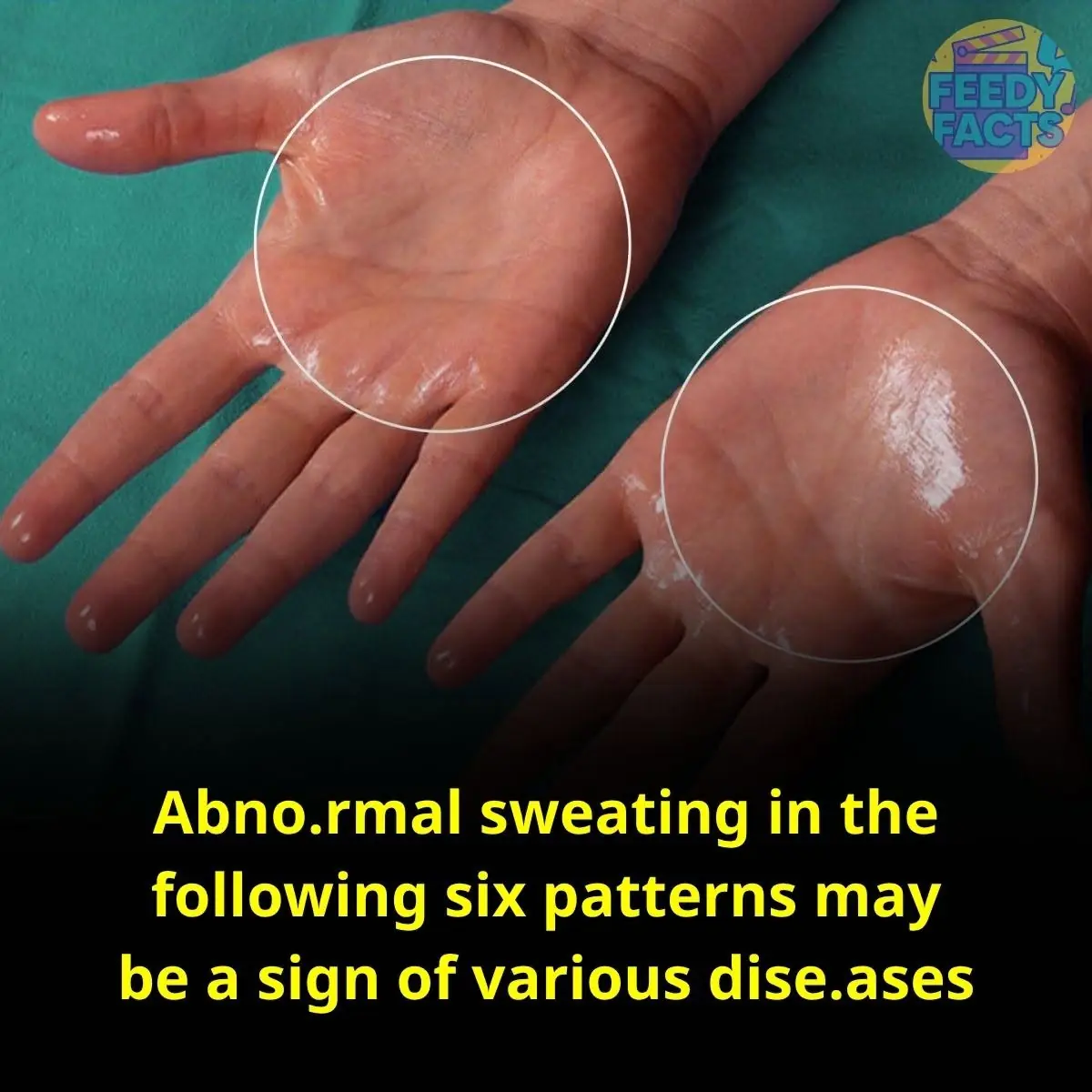
Although the image shows a lump on the wrist, not every wrist lump is a sebaceous cyst. Wrist lumps are often ganglion cysts, which are different conditions altogether.
Typical Features:
Small round lump
Slow growth
Smooth surface
Soft or firm texture
Usually painless
Signs of Infection (Seek medical evaluation if you notice):
Redness
Warmth
Swelling
Increasing pain
Drainage of pus
Rapid enlargement
These symptoms may indicate infection or significant inflammation.
Sometimes small cysts remain unchanged for years. Others may:
Shrink temporarily
Drain spontaneously
Stay stable
Continue growing slowly
Large cysts generally do not disappear completely without treatment.
There is no proven home remedy that can completely remove a cyst. However, certain measures may improve comfort.
Warm Compresses: Applying a warm compress for 10–15 minutes several times daily may improve drainage, reduce discomfort, and encourage healing.
Keep the Area Clean: Gentle cleansing helps reduce irritation.
Avoid Friction: Minimize rubbing from clothing, jewelry, or repetitive pressure.
Many online videos encourage squeezing or popping cysts at home. This is strongly discouraged.
Avoid: ❌ Puncturing with needles ❌ Squeezing aggressively ❌ Cutting the cyst yourself ❌ Using unsterile tools
Attempting removal at home may cause:
Infection
Bleeding
Scarring
Incomplete removal
Recurrence
Even if material drains out, the cyst wall often remains, allowing it to return.
When treatment is necessary, healthcare professionals may recommend:
Drainage: A doctor may release accumulated contents if the cyst is inflamed.
Medication: Antibiotics may be prescribed if infection is present.
Corticosteroid Injection: Can reduce inflammation in selected cases.
Surgical Removal: Complete excision removes the cyst contents and the cyst wall. This provides the lowest risk of recurrence.
Consult a healthcare professional if:
The lump grows rapidly
It becomes painful
Redness develops
It repeatedly returns
It interferes with movement
You are unsure of the diagnosis
Not every lump is a sebaceous cyst. Other possibilities include ganglion cysts, lipomas, abscesses, benign tumors, or rarely, skin cancers. A proper diagnosis is important.