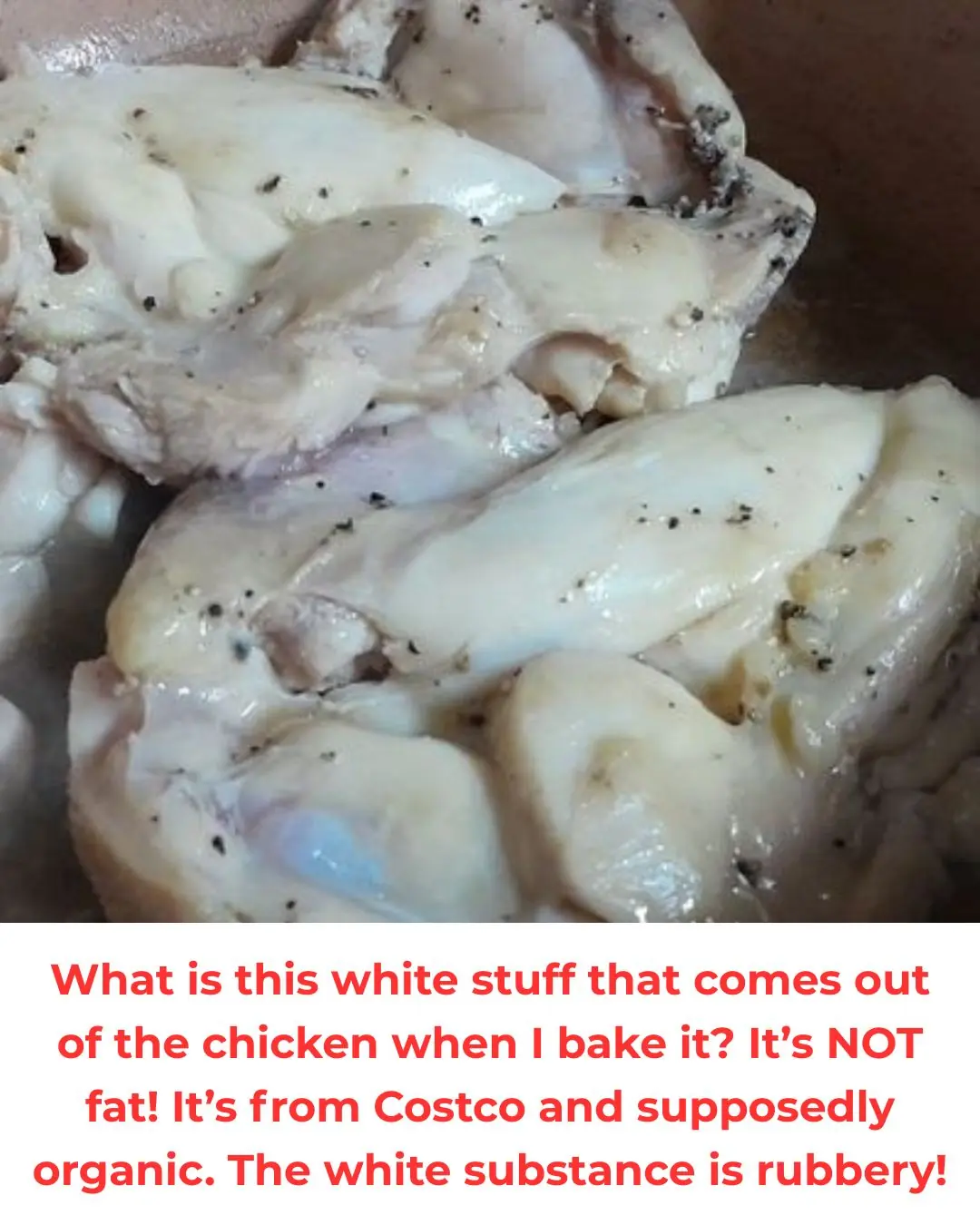
Why Your Cooked Chicken Might Have a White, Gooey Substance
Health 10/12/2025 10:30

Those greenish spots on the bread are mold, and the safest response is simple: don’t eat it — throw out the entire loaf. Even if only a few dots are visible, the bread is no longer safe for you or your children. Although some people believe it’s fine to cut off the moldy parts, experts warn that this is not safe for soft, porous foods like bread.
The greenish or bluish patches you see are colonies of fungal species such as Penicillium, Aspergillus, or other common bread molds. Bread provides exactly what mold needs to grow: moisture, warmth, and carbohydrates.
But what you see on the surface is only a small part of the problem. The colorful spots are the spore-producing structures, while the real body of the mold consists of microscopic threads called hyphae that spread deep into the bread. These threads can penetrate far beyond the visible area, so cutting off the moldy corner does not make the bread safe.
Some molds can produce harmful chemicals known as mycotoxins. These toxins:
Can be present even if you don’t see mold
Are not destroyed by heat, so toasting, microwaving, or baking the bread won’t make it safe
May trigger illness even in small amounts, especially in children or people with allergies
This is why moldy bread should never be salvaged or “cleaned up” by removing the affected part.
While not every mold exposure leads to serious illness, the risks are real and shouldn’t be taken lightly:
Nausea, vomiting, stomach cramps, or other digestive discomfort
Allergic reactions, including sneezing, rash, or asthma flare-ups
Respiratory symptoms, especially in people with mold sensitivity
Infections in individuals with weakened immune systems (rare, but possible)
Long-term health concerns linked to repeated mycotoxin exposure
Children are generally more vulnerable because their immune systems and detoxification mechanisms are still developing. That’s why experts strongly advise against giving them any food with visible mold.
Some foods, like blue cheese or brie, contain carefully controlled, food-safe molds. Bread mold is not one of them. It grows randomly, can spread invisibly, and may release toxins. Traditional advice from older generations—like cutting away the moldy part—comes from a time before we fully understood mycotoxins and fungal behavior.
In short: your mother-in-law means well, but the science does not support that approach.
Do not eat it, and do not give it to your kids.
Discard the entire loaf, including the bag, in a sealed trash bag to prevent spores from spreading in your kitchen.
Wash your hands and any surfaces that touched the bread with hot, soapy water.
Check nearby foods — mold spores can spread easily, especially in bread bags or pantry shelves.
If anyone accidentally ate a small piece before noticing the mold, they will usually be fine.
Monitor for nausea, vomiting, rash, or breathing problems.
If symptoms develop — or if the person has asthma, allergies, or a weakened immune system — seek medical advice.
Moldy bread is not safe, even if only a few spots are visible. The safest choice — especially when children are involved — is to throw it away immediately and prevent any risk.