Proven Health Benefits of Okra That Are Based On Science (Including Nutrition Facts)
Health 25/07/2026 10:56
Anemia is a condition characterized by a shortage of healthy red blood cells, which are necessary to deliver adequate oxygen to your body's tissues. While severe symptoms are hard to miss, many early signs of anemia are subtle and often dismissed as simple stress, fatigue, or the result of a hectic lifestyle.
Left untreated, anemia can lead to serious health complications, putting stress on the heart and other vital organs. Paying attention to these subtle signs is key to early detection and treatment.
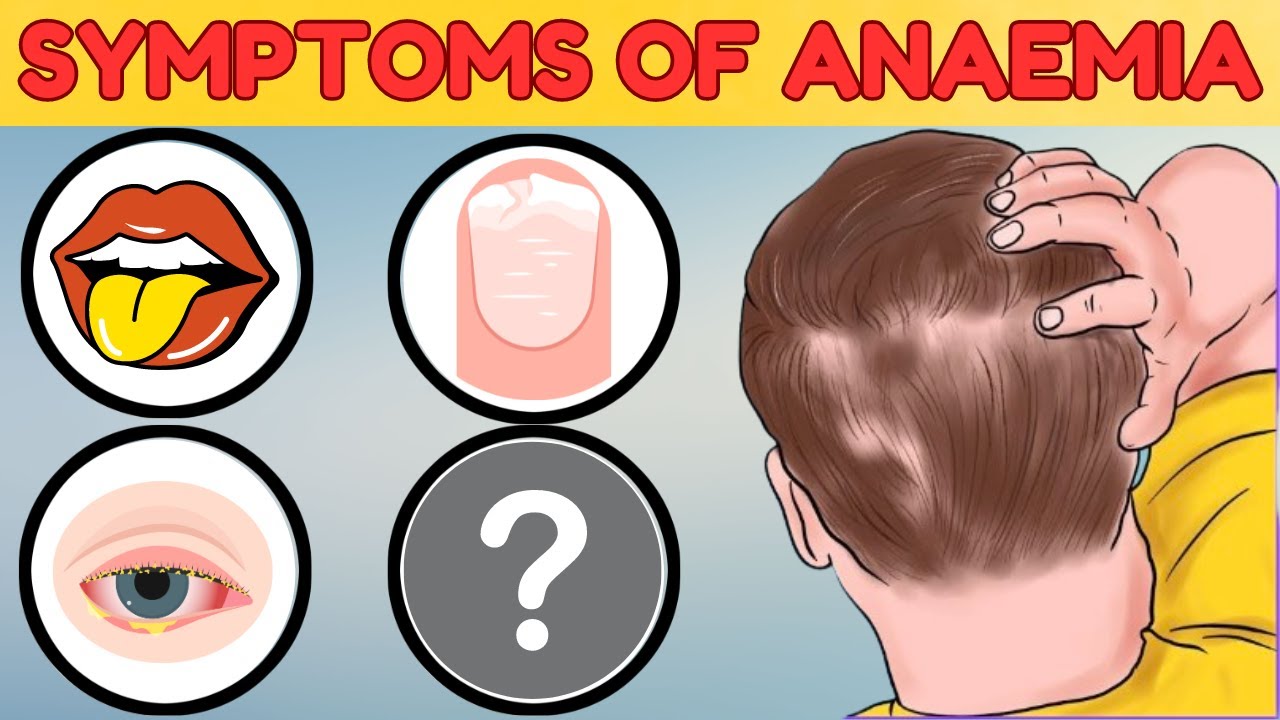
Anemia forces your muscles and brain to work harder with less fuel (oxygen), resulting in a variety of symptoms across the body.
Constant Fatigue: Even after a full night's rest, you may feel chronically tired or drained. This is the body struggling to function without enough oxygen-rich blood.
Pale or Yellowish Skin: A hallmark sign of a lower red blood cell count. Look closely at your face, inner eyelids, or fingernail beds for an unusual paleness or a slightly yellow (jaundiced) hue.
Cold Hands and Feet: The body prioritizes delivering limited oxygen to vital organs, often leading to reduced circulation in the extremities, causing them to feel unusually cold.
Brittle Nails or Hair Loss: Anemia can divert nutrients away from "non-essential" areas. This results in weak, brittle nails or excessive hair shedding.
Poor Appetite: Especially in children, a lack of interest in food can be an early and often overlooked sign.
Frequent Headaches: A lack of oxygen in the bloodstream may trigger recurring headaches or migraines as blood vessels in the brain dilate to compensate.
Dizziness or Lightheadedness: Feeling dizzy when standing or moving too quickly signals low oxygen flow to the brain. In severe cases, this can lead to fainting.
Restless Legs Syndrome (RLS): Many people with iron deficiency anemia experience uncomfortable tingling or crawling sensations in the legs, especially at night, creating an irresistible urge to move them.
Strange Cravings (Pica): A craving for non-food items like ice, dirt, clay, or starch can be a strong indicator of iron deficiency anemia.
Shortness of Breath: If simple activities like climbing stairs or walking short distances leave you breathless, it's often the body rapidly trying to increase oxygen intake to compensate for low blood oxygen levels.
Heart Palpitations: Your heart may beat faster or irregularly in an attempt to pump more oxygen-poor blood to the tissues. Persistent palpitations signal that your heart is under stress.
Chest Pain: In more severe or long-standing cases, anemia can lead to chest discomfort or angina, especially for those with preexisting heart conditions. This symptom should never be ignored.
Anemia can stem from a variety of causes, ranging from simple dietary gaps to chronic conditions. If you notice any of these symptoms—especially several at once—consult your doctor.
Possible Underlying Causes of Anemia:
Nutrient Deficiencies: Lack of iron, , or folate.
Blood Loss: Heavy menstruation or internal bleeding.
Chronic Illness: Conditions like kidney disease or cancer.
Bone Marrow Disorders.
A simple blood test can measure your hemoglobin and iron levels, confirming the presence and type of anemia.
Treatment is always tailored to the specific type and cause of anemia.
Dietary Changes: Increase intake of iron-rich foods like red meat, spinach, lentils, beans, and iron-fortified cereals.
Supplements: Take prescribed iron supplements as recommended by a doctor.
Absorption Aids: Consuming Vitamin C (found in citrus fruits, tomatoes, and bell peppers) enhances the body's ability to absorb iron.
Other forms of anemia may require or folate supplements, medications, or even blood transfusions in severe cases.
Don't ignore your body's silent alarms—early diagnosis and proper treatment can transform your energy, focus, and overall well-being.