Foods That Can Quietly Raise Your Blood Pressure
Health 24/04/2026 21:07
Small Intestinal Bacterial Overgrowth (SIBO) is a misunderstood digestive disorder in which excessive bacteria colonize the small intestine—an area meant to contain 100 to 1,000 times fewer bacteria than the colon. When too many bacteria settle where they don’t belong, they interfere with digestion, produce excess gas, trigger inflammation, and cause nutrient deficiencies. Because symptoms mimic common digestive disorders, many people struggle for years without answers.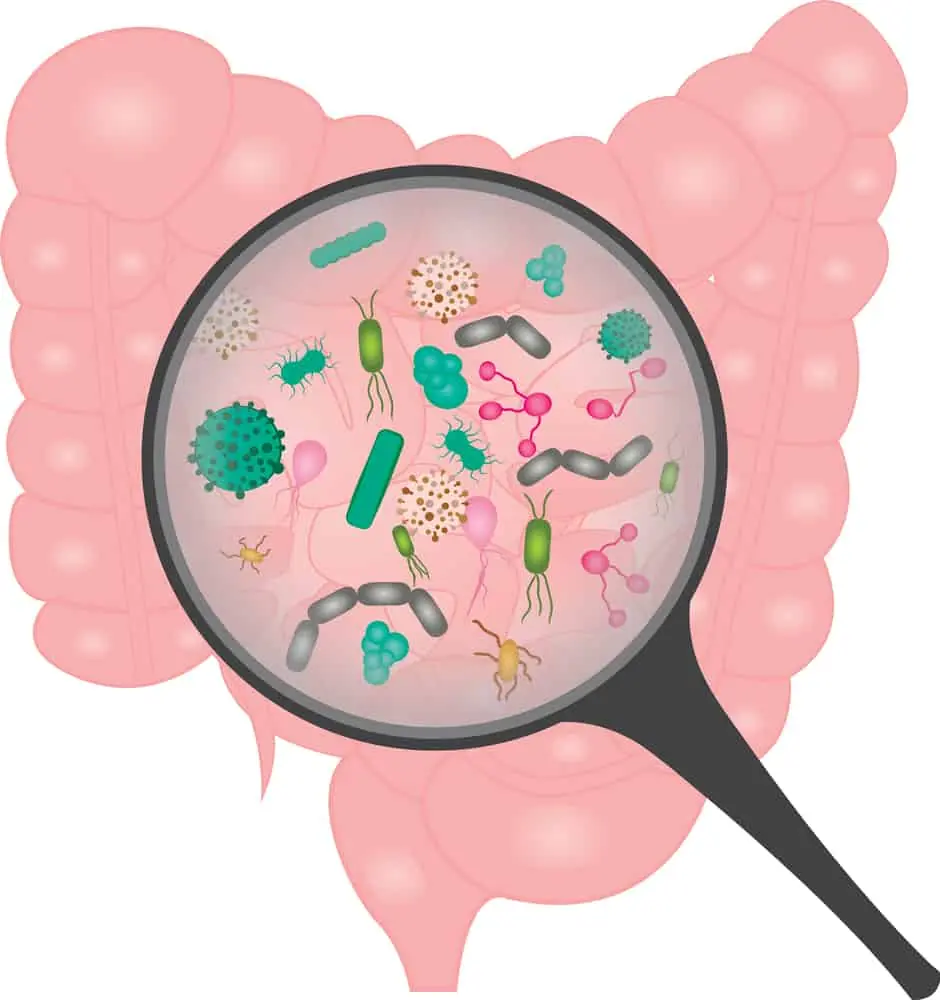
Before symptoms make sense, it’s important to understand how the small intestine works.
The small intestine is responsible for:
Breaking down food with enzymes
Absorbing nutrients into the bloodstream
Moving food forward with rhythmic contractions (peristalsis)
Preventing colon bacteria from migrating upward
When this system slows down or becomes damaged, bacteria multiply rapidly.
Healthy motility sweeps bacteria downward into the colon. When slowed, bacteria stagnate and multiply.
Common causes include:
Diabetes (affects nerve supply to the gut)
Hypothyroidism (slows metabolism and gut movement)
Scleroderma and connective tissue diseases
Chronic opioid use
Post-infectious IBS
Even mild motility issues can trigger SIBO.
Any structural change that traps food allows bacteria to overgrow:
Adhesions after abdominal surgery
Diverticula in the small intestine
Crohn’s strictures
Partial obstructions
Bowel loops that fold abnormally
These pockets become perfect bacterial “homes.”
Stomach acid kills harmful bacteria before they enter the intestines. When acid is low due to:
Long-term PPI use
H. pylori infection
Autoimmune atrophic gastritis
Aging
bacteria survive and migrate downward.
Bile and enzymes suppress bacterial growth. Impairment leads to:
Poor fat digestion
Food stagnation
Increased fermentation
Making SIBO more likely.
Paradoxically, certain antibiotics disrupt the colon’s microbiome so severely that opportunistic bacteria invade the small intestine.
Often within 30 minutes of eating, unlike IBS which may occur hours later.
Many patients report looking “6 months pregnant.”
Hydrogen or methane-producing bacteria ferment carbohydrates aggressively.
Methane-producing bacteria are strongly tied to constipation-dominant SIBO.
Some patients swing between both depending on which bacteria dominate.
Bacteria compete for nutrients, leading to:
Low B12
Iron deficiency
Weight loss
Protein deficiency
Fat malabsorption (greasy, floating stools)
Often ignored but common:
Brain fog
Memory issues
Difficulty concentrating
Tingling in hands and feet
These arise from vitamin deficiencies and toxin buildup.
Patients may suddenly react to:
Dairy
Gluten
High-fiber foods
Sugars
FODMAP-rich fruits and vegetables
Because bacteria ferment these foods excessively.
Linked to systemic inflammation:
Rosacea
Acne
Eczema
Hives
Many improve after treating SIBO.
Chronic SIBO may lead to:
Leaky gut
Worsening IBS symptoms
Severe nutrient deficiencies
Weight loss and muscle wasting
Fat-soluble vitamin deficiencies (A, D, E, K)
Bone density loss
Chronic fatigue syndrome
Worsening autoimmune disease