Thimbles. These are small items, usually made of metal or plastic, used in hand sewing. Thimbles are worn on the fingers (usually the middle finger or thumb) to protect the fingers from being pricked or poked by the needle when pushing the needle through fabric.
They allow the sewn person to use the force from the fingers to push the needle more easily, especially when sewing thick or stiff fabrics. The thimbles shown in the picture come in many different styles, sizes and colors, some with decorative patterns or textured surfaces. Thimbles were originally made of leather, but more commonly made of metal. The etymology of the English word "thimble" comes from the word "thumb-bell" because they were originally worn on the thumb.
Detailed information 1. Historical Background Thimbles have been used for thousands of years. The earliest known thimbles date back to ancient China and the Roman Empire. Early thimbles were made from
bone, bronze, and ivory, and were considered valuable household tools. During the 16th–17th centuries, thimbles in Europe were often crafted from silver or gold and sometimes decorated with gemstones. These were not only sewing tools but also
symbols of wealth and even given as gifts. 2. Primary Uses While the main purpose of a thimble is to protect fingers during hand sewing, they serve several detailed functions:
Pushing the needle through thick fabric, leather, or multiple layers.
Preventing injuries, especially for tailors, quilters, and leatherworkers.
Improving speed and control while sewing by stabilizing the needle movement.
There are also special thimbles used in quilting, embroidery, and beadwork.
3. Types of Thimbles Here are some common variations:
• Closed-top thimble The most traditional type. Fully enclosed at the top to protect the finger from the needle tip.
• Open-top thimble (tailor’s thimble) Open at the top to allow long fingernails or to give more flexibility. Popular among professional tailors.
• Leather thimble Soft, flexible, easier to use for beginners or for delicate fabrics.
• Adjustable ring thimble Looks like a small metal ring with ridges. It’s worn slightly lower on the finger and used for quilting or pushing the needle sideways.
• Thimble with a metal plate (for quilting) Usually made of leather with a hard metal disk inside, used to handle the repetitive pushing motion when quilting.
4. Materials Used Modern thimbles can be made from:
Metal (steel, brass, copper, silver)
Plastic or resin
Rubber or silicone
Leather or fabric
Ceramic, porcelain, or glass (usually decorative, not functional)
Metal thimbles are considered the most durable, while leather thimbles are comfortable for long sewing sessions.
5. Thimbles as Collectibles Collecting thimbles is known as digitabulism or thimble collecting. Some reasons they are collectible:
Unique designs, engravings, or artwork
Commemorative editions (cities, events, museums)
Antique precious-metal thimbles
Souvenir thimbles from around the world
There are museums and clubs dedicated entirely to thimble collecting.
6. Interesting Facts During the Victorian era, thimbles were sometimes used as engagement gifts
, symbolizing a woman’s role in homemaking. Some thimbles have indentations shaped differently depending on the type of sewing (straight stitch, quilting, embroidery).
In the board game Monopoly, a thimble was one of the original playing tokens (introduced in 1935).
In old folklore, finding a silver thimble was considered good luck.
7 Signs of Arthritis You Shouldn't Ignore
Arthritis is not just a condition for the elderly — it can affect people of all ages.
If left untreated, arthritis can lead to chronic pain, disability, and a lower quality of life.
Recognizing early symptoms is crucial for effective management.
Below are 7 key signs of arthritis
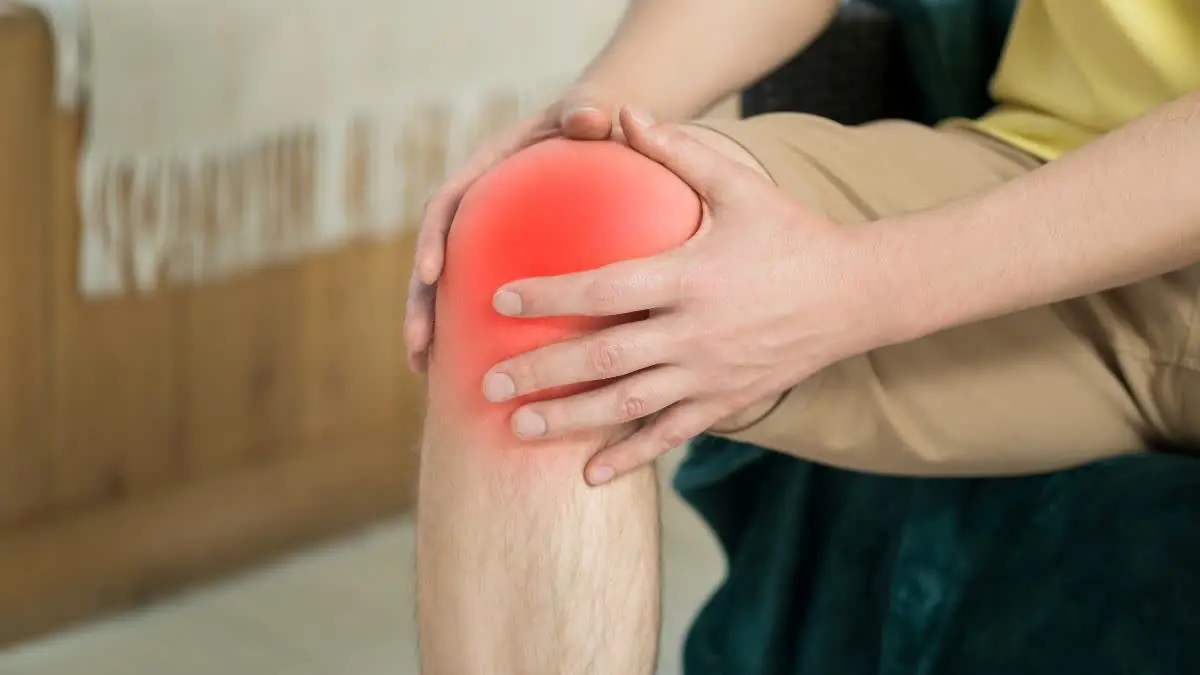
you should never ignore, followed by practical advice on how to manage it through diet, lifestyle, and habits. 🔍 7 Signs of Arthritis You Shouldn’t Ignore 1. Persistent Joint Pain Pain in the joints that doesn’t go away after a few days could be a warning sign. This pain may start mild and gradually worsen. It can be constant or occur during or after movement.
2. Joint Swelling Swelling around one or more joints — often accompanied by warmth and redness — is a common symptom of inflammatory arthritis like rheumatoid arthritis or psoriatic arthritis.
3. Stiffness, Especially in the Morning If you find it difficult to move your joints after waking up or after sitting for long periods, and the stiffness lasts more than 30 minutes, it could be a sign of arthritis.
4. Reduced Range of Motion Struggling to bend, twist, or fully move a joint could be a result of joint inflammation or damage to the cartilage, ligaments, or bones due to arthritis.
5. Fatigue and Low Energy Autoimmune types of arthritis (e.g., rheumatoid arthritis) can cause overall fatigue due to chronic inflammation in the body. You may feel tired even after adequate rest.
6. Cracking or Popping Sounds in Joints (Crepitus) While not always painful, frequent popping or grinding noises in the joints can signal cartilage wear and tear — often seen in osteoarthritis.
7. Joint Deformity or Changes in Appearance Over time, arthritis can cause visible changes in joint structure — like crooked fingers or enlarged knuckles. These deformities are a sign that the condition has progressed.
✅ What to Do If You Suspect Arthritis If you're experiencing any of the above symptoms regularly:
See a Rheumatologist: Get a proper diagnosis through physical exams, blood tests, or imaging (like X-rays or MRIs).
Start Early Treatment: Early intervention can slow progression and prevent joint damage.
Take Medications as Prescribed: These may include anti-inflammatories, disease-modifying antirheumatic drugs (DMARDs), or biologics.
Exercise Gently: Low-impact exercises like swimming, walking, or yoga can help maintain flexibility and strength.
Manage Weight: Excess weight puts more pressure on your joints, especially the knees, hips, and spine.
Smoking: Linked to rheumatoid arthritis and can reduce treatment effectiveness.
High-Stress Lifestyle: Stress increases inflammation and pain sensitivity.
Ignoring Pain: Pushing through pain can cause more harm than good.
Skipping Medications or Appointments: Inconsistent treatment worsens outcomes.
Improper Posture: Can put extra stress on joints and cause misalignment.
💡 Final Thoughts Arthritis can be life-altering, but early recognition and proactive management can preserve mobility and quality of life. Pay attention to your body's warning signs, make smart dietary and lifestyle choices, and work closely with your healthcare provider.
Taking control today can lead to a more comfortable and independent tomorrow.