What It Could Mean and When You Should Pay Attention
Health 25/06/2026 22:27
Coconut water has gained significant popularity in recent years as a natural, refreshing drink, often touted for its numerous health benefits. Packed with electrolytes, vitamins, and minerals, it has quickly become a go-to choice for hydration, offering a healthier alternative to sugary beverages and sodas.
However, despite its many advantages, it's important to understand that coconut water isn't a miracle product, and there are some essential facts to consider before incorporating it into your daily routine. Being informed about these aspects will allow you to enjoy coconut water responsibly and make the most of its nutritional benefits.
Coconut water is frequently marketed as a superfood that can solve a wide range of health issues. While it certainly offers impressive properties, such as being low in calories, rich in potassium, and highly hydrating, it's important to remember that coconut water is not a cure-all. It won’t replace the necessity of a well-balanced diet, regular exercise, or the importance of drinking plain water. Instead, consider coconut water as a supplementary source for hydration and nutrition, rather than a one-size-fits-all solution to all your health concerns.
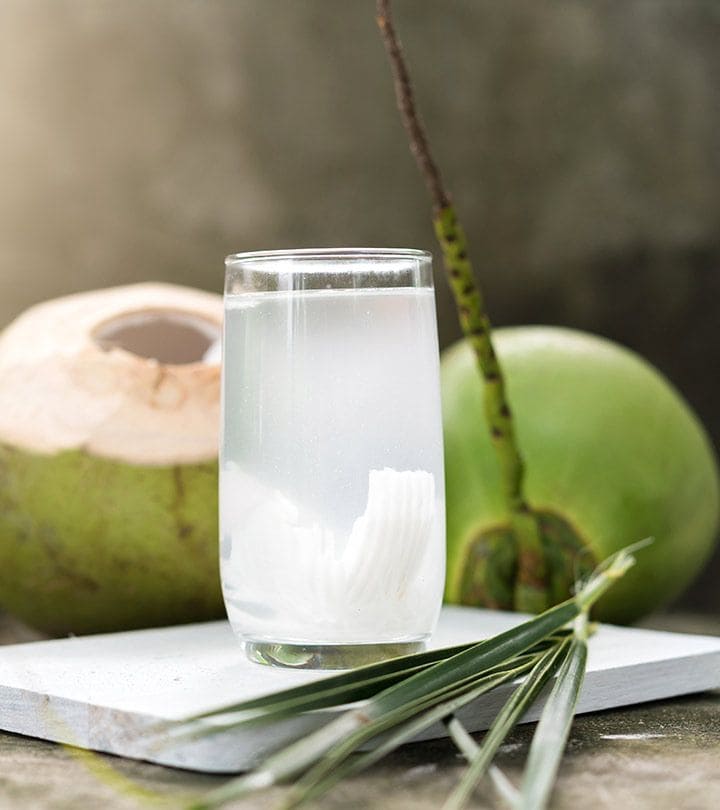
Coconut water is an excellent source of potassium, a crucial mineral that helps regulate heart function, nerve signals, and muscle contractions. However, for individuals with kidney problems or those taking certain medications, excessive potassium intake can be dangerous and lead to a condition known as hyperkalemia. Hyperkalemia is characterized by an abnormally high potassium level in the blood, which can disrupt normal heart rhythm and may result in serious health complications. It's important to monitor potassium intake and consult with a healthcare professional if you are at risk.

Although coconut water is a healthier alternative to sugary sodas and juices, it is not entirely calorie-free. A single cup of coconut water typically contains between 45 to 60 calories, depending on the brand or source. If consumed frequently, these calories can accumulate and potentially interfere with weight loss goals or calorie-controlled diets. While coconut water is a nutritious option, moderation is key to maintaining a healthy balance in your daily calorie intake.
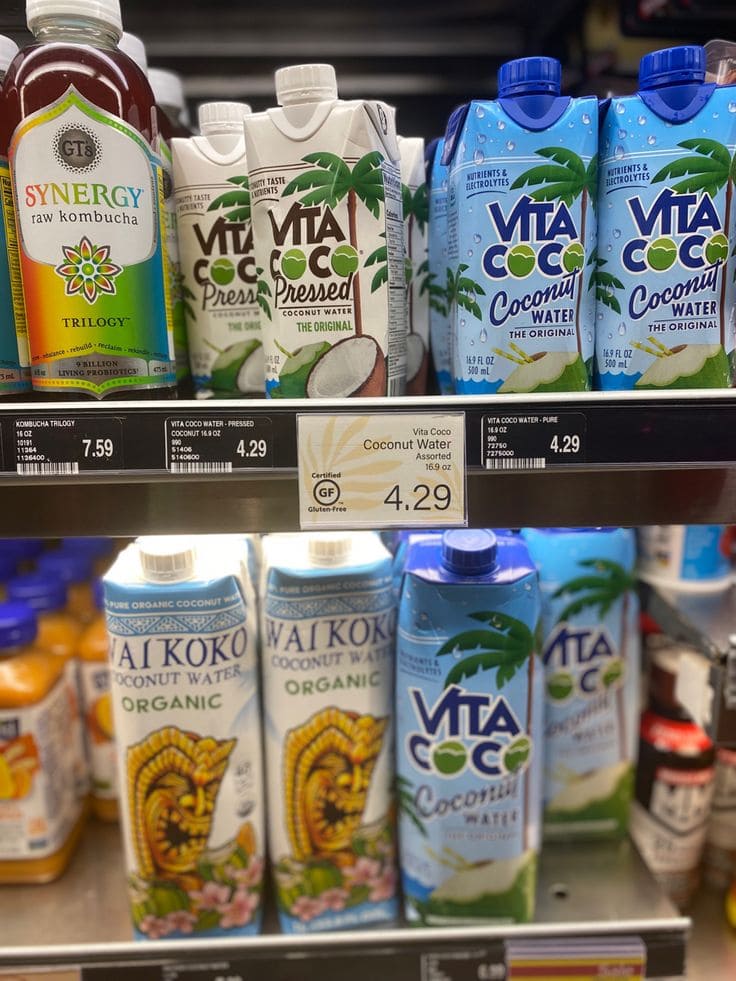
While coconut water is often marketed as a natural and pure beverage, not all commercially available coconut water is as unprocessed as it seems. Many packaged coconut water products contain added sugars, flavorings, or preservatives to improve taste and extend shelf life. These additives can counteract some of the health benefits of coconut water and contribute to hidden sugar consumption. To ensure you're getting the healthiest option, always read labels carefully and choose brands that offer 100% pure coconut water with no added ingredients.
Coconut water is commonly promoted as a natural sports drink, but it may not be suitable for athletes or individuals engaging in intense physical activities. While it excels in providing hydration and potassium, it lacks a key component: sodium. Sodium is essential for replenishing electrolytes lost during prolonged or intense sweating, and without sufficient sodium, coconut water may not be as effective at restoring electrolyte balance in these situations. For endurance athletes or those participating in long, strenuous workouts, a more balanced sports drink containing both potassium and sodium may be a better choice.
Although it’s rare, some people may experience allergic reactions or sensitivities to coconut water. Symptoms may include stomach upset, bloating, or even skin reactions. If you're new to drinking coconut water, it's advisable to start with a small amount to gauge your body's reaction. If you experience any discomfort, it’s best to discontinue use and consult a healthcare provider.

Fresh coconut water has a relatively short shelf life and should be consumed promptly to avoid spoilage. Packaged coconut water, on the other hand, often contains preservatives, but still requires refrigeration after opening. It's important to consume it within a few days to maintain its freshness and avoid potential bacterial growth. Be sure to follow storage instructions on the packaging to get the best taste and quality.
While coconut water is a nutritious and refreshing beverage, it cannot replace balanced meals. Coconut water lacks the macronutrients (such as protein, healthy fats, and carbohydrates) required to sustain energy levels and support overall health. Incorporating coconut water into a well-rounded diet is fine, but it should never be viewed as a meal replacement or a solution to all nutritional needs.
As the demand for coconut water continues to rise globally, there are growing environmental concerns tied to its production. In some regions, harvesting coconuts for water has been linked to deforestation and poor labor practices. Additionally, the growing demand for coconut water has raised questions about the sustainability of coconut farming practices. If environmental impact is a concern for you, consider seeking out brands that focus on ethical sourcing and sustainable farming methods to ensure that your choice of coconut water is supporting positive environmental and social outcomes.
It's important to recognize that the benefits and potential drawbacks of coconut water will vary from person to person. What works for one individual may not be suitable for another, depending on their specific health conditions, lifestyle, or nutritional needs. Pregnant women, individuals with diabetes, and those managing chronic health conditions should consult their healthcare provider before making coconut water a regular part of their diet. Customizing your approach based on your health profile is key to maximizing the benefits of this popular beverage.

If you wish to include coconut water in your daily routine, here are some helpful tips to ensure you're consuming it responsibly:
By keeping these considerations in mind, you can enjoy the refreshing and nutritious benefits of coconut water while staying mindful of its limitations and your personal health requirements.