Why This Simple Morning Drink Is Gaining Attention
Health 28/07/2026 19:26
Many people sleep with a fan running all night because it creates a cooling effect, improves air circulation, and produces soothing background noise.
While using a fan can be comfortable, continuous exposure to moving air throughout the night may cause certain problems for some individuals.
Understanding these potential effects can help you decide whether to adjust how you use a fan while sleeping.
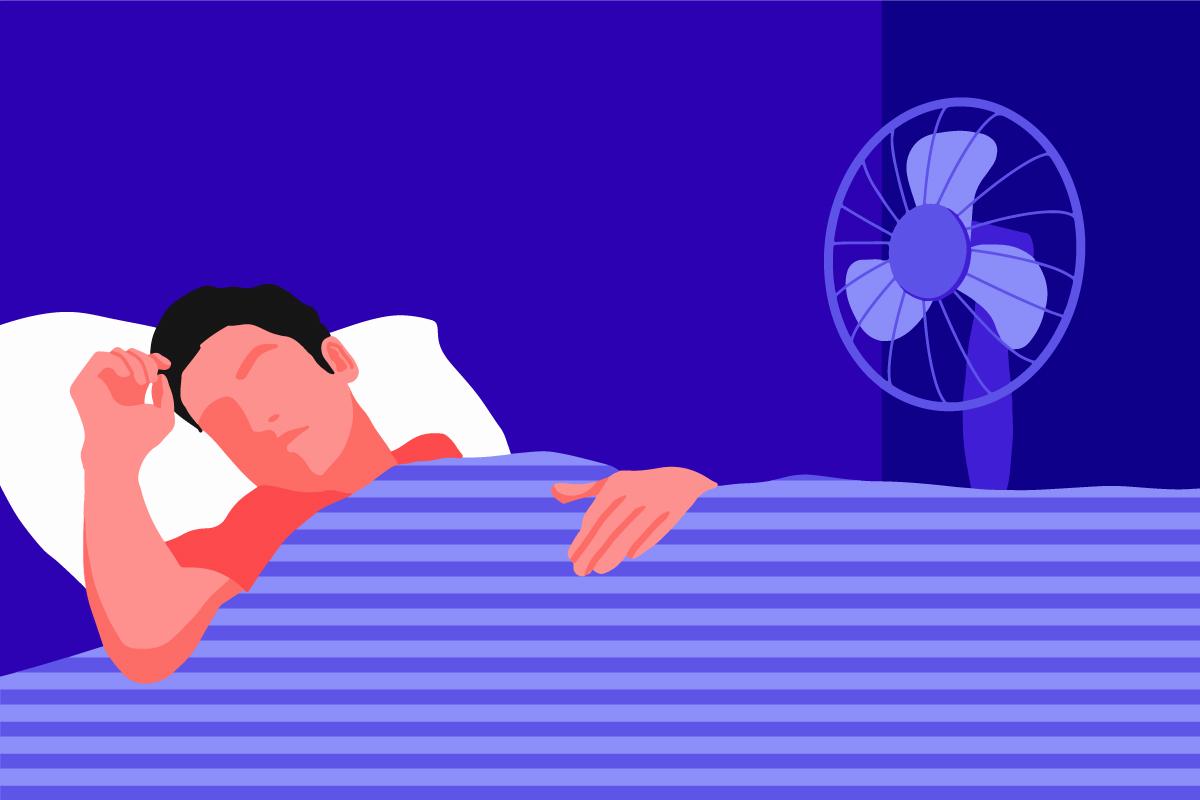
One of the most common effects of sleeping with a fan pointed directly at your body is dryness. The constant airflow can accelerate the evaporation of moisture from the skin, nasal passages, mouth, and throat.
When your nose becomes dry, the body may attempt to compensate by producing extra mucus. This can sometimes lead to nasal congestion upon waking. A dry throat may also leave you feeling scratchy or uncomfortable in the morning, especially if you sleep with your mouth open.
People who already suffer from allergies, sinus problems, or respiratory sensitivities may notice these effects more than others. Waking up with a dry mouth, irritated throat, or stuffy nose is often linked to prolonged exposure to moving air during sleep.
Fans do not create dust, but they can move dust particles that are already present in the room.
Throughout the night, the fan blades and the circulating air may stir up dust, pollen, pet dander, and other airborne particles. These particles can remain suspended in the air and may be inhaled while you sleep.
For individuals with allergies, asthma, or respiratory sensitivities, this can lead to symptoms such as:
Sneezing
Runny nose
Itchy eyes
Congestion
Coughing
Mild breathing discomfort
If a fan has not been cleaned regularly, dust can accumulate on the blades and housing. Once the fan is turned on, some of this dust may be redistributed throughout the room.
Keeping both the room and the fan clean can help reduce this issue significantly.
Many people report waking up with a stiff neck, sore shoulders, or aching muscles after sleeping directly in front of a fan.
This may happen because prolonged exposure to cool moving air can cause muscles to tighten slightly during the night. When a specific part of the body remains exposed to airflow for many hours, it may feel tense or uncomfortable upon waking.
Common areas affected include:
Neck
Shoulders
Upper back
Lower back
Facial muscles
The risk is often higher when the fan is positioned very close to the bed or directed at one specific area of the body.
Although the fan itself does not directly injure muscles, the cooling effect combined with long periods of stillness during sleep may contribute to morning stiffness in some people.
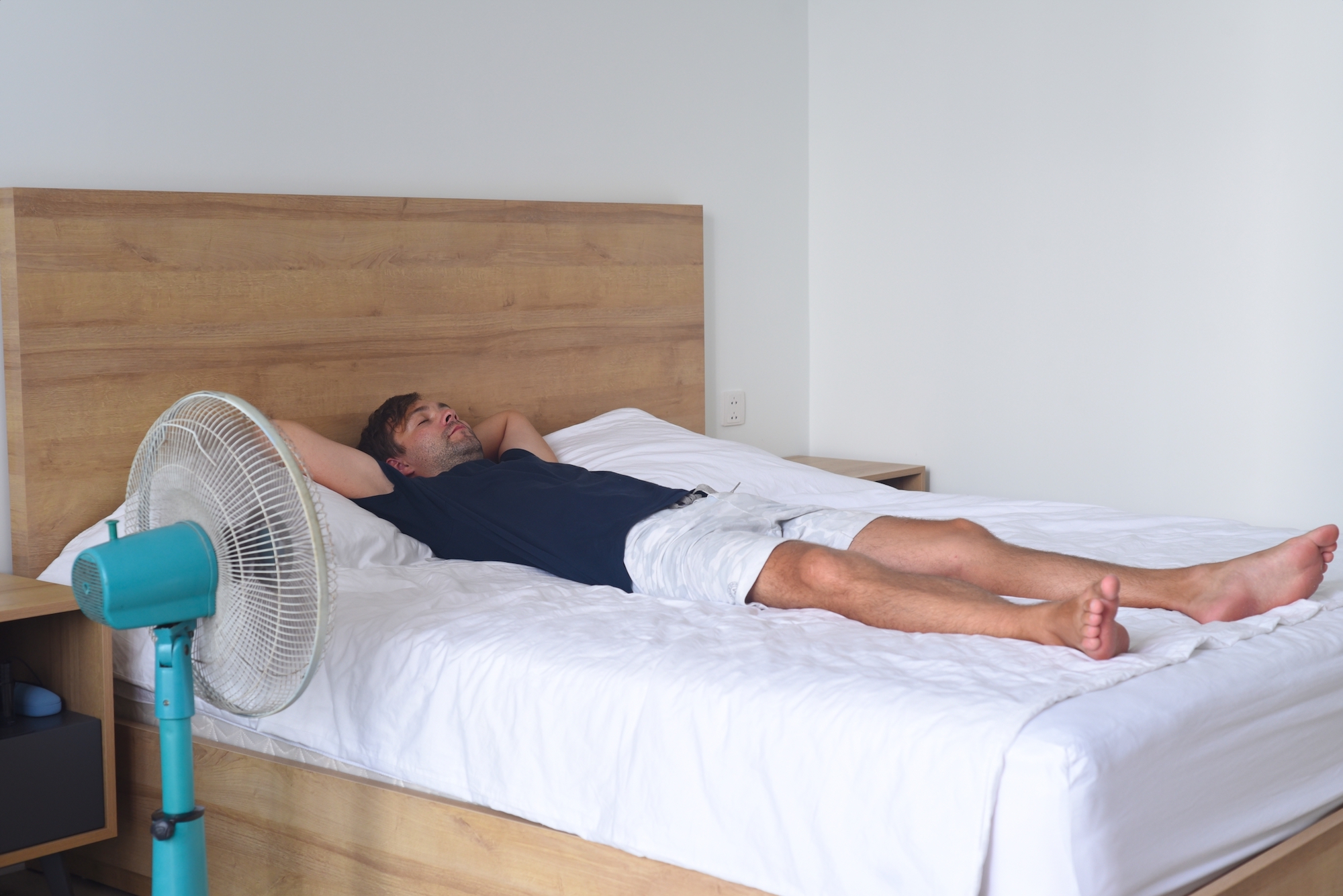
Continuous airflow can also remove moisture from the skin.
Individuals who naturally have dry skin may notice:
Flakiness
Tightness
Irritation
Itching
This is particularly common during seasons when indoor humidity is already low.
Skin loses moisture gradually throughout the night, and a strong fan can increase that moisture loss. People with eczema or sensitive skin may be especially vulnerable to discomfort caused by excessive dryness.
Applying moisturizer before bed and avoiding direct airflow may help minimize this effect.
Fans can contribute to eye dryness, especially if the airflow reaches the face.
When the eyes are exposed to moving air for several hours, the natural tear film may evaporate more quickly. This can result in symptoms such as:
Dry eyes
Burning sensation
Redness
Mild irritation
Blurred vision upon waking
People who wear contact lenses or already struggle with dry-eye syndrome may notice these symptoms more frequently.
Positioning the fan away from the face can often reduce eye-related discomfort.
Individuals who have chronic sinus conditions may experience additional discomfort when sleeping with a fan all night.
Dry air movement can irritate sinus tissues and sometimes contribute to:
Sinus pressure
Congestion
Headaches
Facial discomfort
The body's natural response to dryness may involve increased mucus production, which can occasionally make sinus symptoms feel worse.
Not everyone experiences this effect, but people with pre-existing sinus problems often notice a stronger reaction.
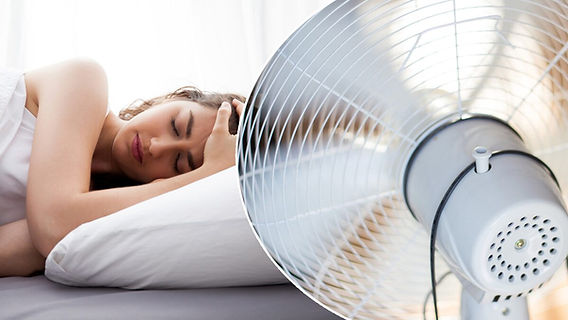
Although fans can help people fall asleep by creating a cooler environment, excessive cooling may sometimes interfere with sleep quality later in the night.
Body temperature naturally changes during sleep cycles. A room that feels comfortable at bedtime may become too cool several hours later.
If the body becomes overly chilled, some individuals may:
Wake up unexpectedly
Toss and turn
Pull blankets on and off repeatedly
Experience lighter sleep
Maintaining a moderate temperature rather than continuous strong airflow may help improve overall sleep comfort.
A fan that is not cleaned regularly can become a collection point for dust and debris.
Over time, layers of dust may build up on the blades. Each time the fan operates, some particles may be released back into the air.
This is especially important in bedrooms because people spend many hours sleeping and breathing the same indoor air.
Regular cleaning can help improve air quality and reduce unnecessary exposure to dust particles.
Some people report waking with headaches after sleeping under direct fan airflow.
Several factors may contribute:
Dry sinuses
Nasal congestion
Muscle tension
Dehydration
Cold exposure around the head and neck
While not everyone experiences headaches from fan use, sensitive individuals may find that adjusting the fan position or reducing airflow helps prevent morning discomfort.
Fans do not directly dehydrate the body in a dangerous way, but they can increase moisture evaporation from exposed surfaces.
As a result, some people wake up feeling:
Thirsty
Dry-mouthed
Slightly dehydrated
This effect is usually mild, but it can be noticeable after an entire night of airflow, especially in warm climates or dry indoor environments.
Drinking adequate water during the day and maintaining proper room humidity can help reduce this issue.
A common myth claims that sleeping with a fan can cause death simply because the fan runs all night. This belief has circulated in various places for decades, but there is no scientific evidence that a properly functioning household fan causes death in healthy individuals merely by operating overnight.
The actual concerns are generally related to comfort, allergies, dryness, muscle stiffness, and irritation—not mysterious or life-threatening effects.
Sleeping with a fan on all night is not automatically dangerous, and many people use fans without experiencing any problems. However, continuous airflow may contribute to dry skin, irritated eyes, nasal congestion, allergy symptoms, muscle stiffness, headaches, and discomfort in sensitive individuals.
If you notice waking up with a dry throat, stuffy nose, sore muscles, itchy eyes, or irritated skin, your nighttime fan may be a contributing factor. Simple adjustments such as cleaning the fan regularly, reducing the speed, using a timer, increasing room humidity, or directing airflow away from your body can often provide the cooling benefits of a fan while minimizing potential side effects.