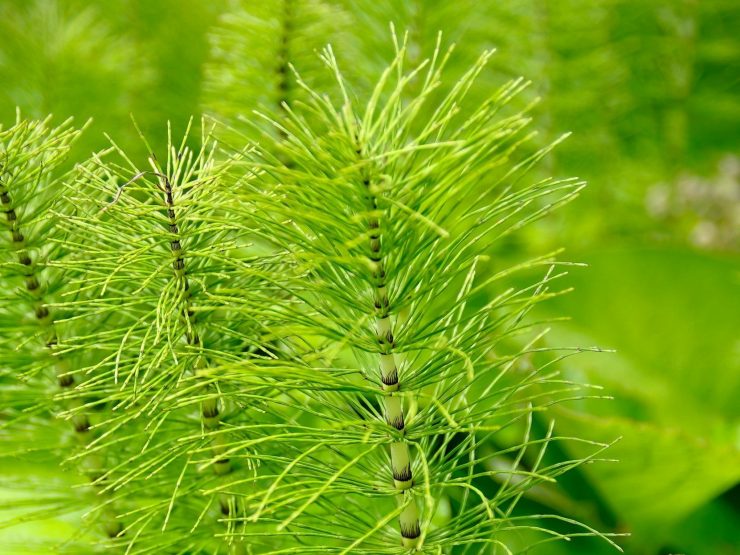
Horsetail, scientifically known as Equisetum arvense, is one of the oldest plant species still thriving on Earth today. Often identified by its slender, jointed stems that resemble a horse’s tail, this resilient plant has existed since prehistoric times. It grows abundantly in temperate regions throughout Europe, North America, and Asia, particularly in moist soils and along riverbanks.
For centuries, horsetail has held an important place in traditional herbal medicine. Ancient healers valued it not only for its distinctive structure but also for its remarkable concentration of minerals and plant compounds that support overall health. Modern research is now beginning to validate many of these traditional uses.
Nutritional Composition of Horsetail
Horsetail stands out for its exceptionally high silica content, a trace mineral essential for connective tissue health. In addition to silica, it provides calcium, potassium, manganese, and small amounts of iron and magnesium.
The plant also contains bioactive compounds such as flavonoids, alkaloids, phenolic acids, and saponins. These substances contribute to its antioxidant, anti-inflammatory, and mild antimicrobial properties. Together, this unique nutritional profile explains why horsetail has remained a staple in natural wellness practices for generations.
1. Supports Bone and Joint Health
One of horsetail’s most celebrated benefits is its ability to support strong bones and flexible joints. Silica plays a crucial role in collagen formation, a protein that forms the structural framework of bones, cartilage, ligaments, and tendons.
By supporting collagen synthesis and improving calcium utilization, horsetail may help maintain bone density and reduce the risk of bone-related conditions such as osteoporosis. It may also ease joint stiffness and discomfort associated with arthritis by promoting healthier connective tissues.
2. Promotes Hair, Skin, and Nail Vitality
Horsetail is widely used in natural beauty remedies due to its strengthening effects on hair, skin, and nails.
-
Hair: Silica helps reinforce hair strands, reducing breakage and promoting thicker, shinier hair. Some people use horsetail extract in shampoos or supplements to encourage healthier hair growth.
-
Skin: Its antioxidant properties help protect the skin from oxidative stress caused by environmental factors such as pollution and UV exposure. This may reduce the appearance of fine lines and improve skin elasticity.
-
Nails: Regular use can help reduce brittleness and splitting, leading to stronger, more resilient nails.
Because of these benefits, horsetail is often included in natural cosmetic formulations.
3. Aids in Wound Healing
Traditionally, horsetail has been applied externally to support wound healing. Its anti-inflammatory and antimicrobial properties may help prevent infection while encouraging faster tissue repair.
Silica once again plays an important role here by stimulating collagen production, which is essential for closing wounds and minimizing scarring. Poultices, washes, or ointments made from horsetail have historically been used to treat minor cuts, burns, and skin irritations.
4. Supports Urinary Tract and Kidney Health
Horsetail is well known for its natural diuretic effect, meaning it increases urine production. This action helps the body eliminate excess fluids and toxins, making it beneficial for individuals prone to water retention.
By promoting regular urine flow, horsetail may also help flush bacteria from the urinary tract, supporting recovery from mild urinary tract infections (UTIs). Additionally, it may assist in reducing the formation of certain types of kidney stones, although medical supervision is recommended for such conditions.
5. Contributes to Cardiovascular Wellness
The flavonoids and antioxidants in horsetail help combat oxidative stress, which plays a significant role in heart disease. By reducing inflammation and supporting healthy blood vessels, horsetail may promote better circulation.
Its mild diuretic effect can also help regulate blood pressure by reducing fluid buildup in the body. While it should not replace prescribed medications, horsetail may complement a heart-healthy lifestyle when used responsibly.
6. Enhances Digestive Comfort
Horsetail’s anti-inflammatory properties can soothe irritation in the digestive tract. It has been traditionally used to ease symptoms of mild digestive discomfort, including bloating and inflammation.
Some herbal practitioners believe it may support nutrient absorption by maintaining the integrity of the intestinal lining, thereby contributing to overall digestive efficiency.
7. Strengthens Immune Defenses
Rich in antioxidants, horsetail helps neutralize free radicals that can weaken immune function. By reducing oxidative stress, it supports the body’s natural defense mechanisms.
Its mineral content also contributes to overall vitality, helping the body maintain resilience against seasonal illnesses and environmental stressors.
8. Potential Respiratory Support
In certain traditional systems of medicine, horsetail has been used to ease respiratory concerns such as bronchitis and mild asthma symptoms. Its anti-inflammatory and mild expectorant properties may help loosen mucus and soothe irritated airways, making breathing more comfortable.
Though not a replacement for medical treatment, it may serve as a supportive herbal option when recommended by a qualified healthcare provider.
How to Use Horsetail
Horsetail is available in several convenient forms:
-
Horsetail Tea: Dried horsetail can be steeped in hot water to create a mineral-rich herbal infusion.
-
Capsules or Tablets: These offer a standardized and concentrated dose for consistent supplementation.
-
Tinctures: Liquid extracts provide rapid absorption and easy dosage adjustments.
-
Topical Preparations: Creams, ointments, and compresses are used for skin care and wound support.
When choosing a product, quality and proper identification of the species are important to ensure safety and effectiveness.
Precautions and Possible Side Effects
Although horsetail is generally safe when used appropriately, moderation is essential. Because of its diuretic action, excessive use may lower potassium levels. Long-term use without supervision is not recommended.
People with kidney disorders, heart conditions, or those taking diuretic medications should consult a healthcare professional before using horsetail. Pregnant and breastfeeding women are advised to avoid it due to limited safety research.
It is also important to use properly processed preparations, as raw or unrefined forms may contain small amounts of compounds that are not suitable for prolonged consumption.
Final Thoughts
Horsetail is far more than a primitive-looking plant growing along streams and fields. With its impressive mineral content—especially silica—and its wealth of beneficial plant compounds, it continues to earn its place in modern herbal medicine. From supporting bone strength and radiant hair to promoting urinary and cardiovascular health, this ancient botanical ally offers a wide range of potential benefits.
When used thoughtfully and under professional guidance, horsetail can be a valuable addition to a balanced, natural wellness routine—bridging the wisdom of traditional herbal practices with today’s growing interest in plant-based health solutions.