The First Animal You See Reveals Your Biggest Personality Flaw: A Fun Psychological Insight
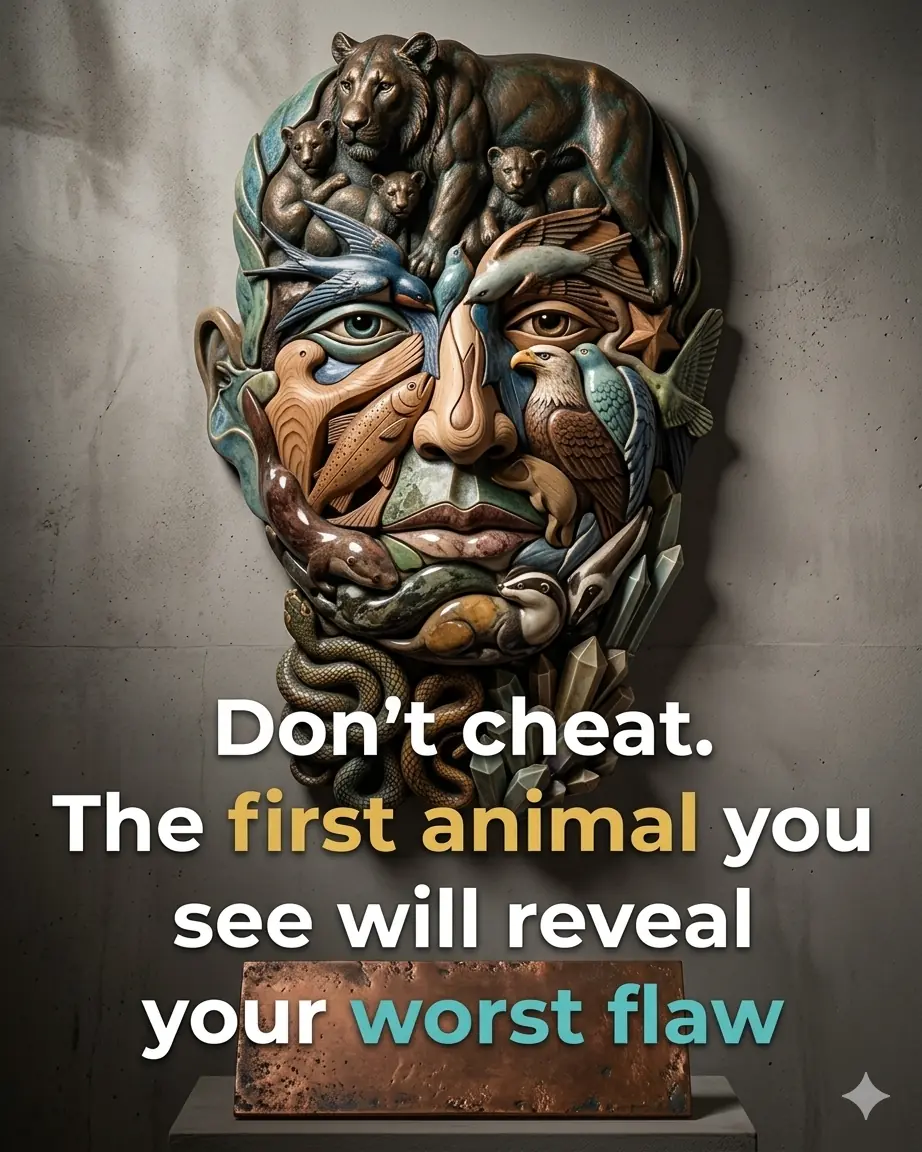
In the world of viral visual tests, few things capture attention quite like the idea that a simple image can reveal something deep about your personality. One of the most popular trends online today is the “first animal you see” illusion—an engaging psychological exercise that claims to uncover your biggest flaw based on your initial perception.
But is there any truth behind it? And why are millions of people drawn to these tests? Let’s explore the psychology, meaning, and entertainment value behind this fascinating visual phenomenon.
What Is the “First Animal You See” Test?
The concept is simple: you’re shown a complex image containing multiple animals hidden within it. Without overthinking, you’re asked to identify the first animal that catches your eye. According to the test, your immediate answer reflects a hidden aspect of your personality—often framed as your “worst flaw.”
While it may sound mysterious, this type of test is rooted in how our brains process visual information. The idea is that your subconscious mind prioritizes certain shapes, patterns, and meanings based on your experiences, emotions, and personality traits.
Why Your Brain Sees Different Things
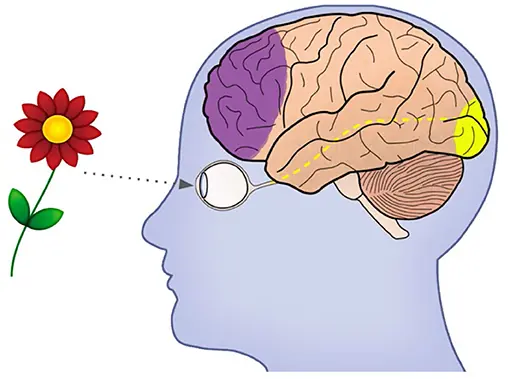
Human perception is highly selective. When you look at an ambiguous image, your brain quickly tries to make sense of it by focusing on familiar forms. This process is influenced by:
- Past experiences
- Emotional state
- Personality tendencies
- Cognitive biases
For example, someone who tends to be cautious might focus on details, while a more spontaneous person may notice bold or obvious shapes first.
This is why two people can look at the same image and see completely different animals within seconds.
What Your First Animal Might Say About You
Although these interpretations are not scientifically proven, they are often based on common personality associations. Here are a few examples of how such tests typically assign meaning:
- Lion – Often linked to pride or a strong ego. You may be confident, but sometimes struggle with stubbornness.
- Rabbit – Associated with sensitivity or overthinking. You may worry more than necessary or avoid confrontation.
- Bird – Symbolizes freedom and independence, but could also suggest restlessness or difficulty committing.
- Snake – Sometimes connected to secrecy or mistrust. You might be cautious about opening up to others.
- Elephant – Represents wisdom and loyalty, but may also point to holding onto the past too tightly.
It’s important to remember that these interpretations are generalizations meant for entertainment rather than accurate psychological diagnoses.
The Psychology Behind Viral Personality Tests
So why do people love these tests so much?
The answer lies in a psychological concept known as the Barnum Effect (or Forer Effect). This refers to the tendency for individuals to believe that vague, general statements are highly accurate for them personally.
For example, a description like “you sometimes doubt yourself but also have great potential” applies to almost everyone, yet feels personal and insightful.
Additionally, these tests tap into our natural curiosity about ourselves. People enjoy discovering new things about their personality—even if the results are not scientifically validated.
Entertainment vs. Reality
It’s crucial to approach these visual tests with the right mindset. While they can be fun and thought-provoking, they should not be taken as definitive judgments about your character.
Real personality assessment requires structured methods, such as psychological evaluations conducted by professionals. These viral tests, on the other hand, are designed primarily for engagement and entertainment.
However, that doesn’t mean they have no value at all.
Can These Tests Still Be Useful?
Surprisingly, yes—if used correctly.
Even though the results are not scientifically accurate, they can still encourage self-reflection. For instance, if a result suggests that you may be impatient or overly cautious, it might prompt you to think about whether that resonates with your real-life behavior.
In this way, the test acts more like a conversation starter with yourself rather than a final conclusion.
Why These Tests Go Viral on Social Media
The success of these visual personality tests is no accident. They are perfectly designed for social media platforms because they:
- Grab attention quickly with intriguing visuals
- Encourage interaction (“What did you see first?”)
- Spark curiosity and debate in comments
- Feel personal and relatable
- Are easy to share
In a fast-scrolling digital environment, content that invites users to pause, think, and engage has a much higher chance of going viral.
Final Thoughts
The “first animal you see” test is a perfect blend of psychology, illusion, and entertainment. While it may not truly reveal your deepest flaws, it does highlight something interesting about human perception—our minds are unique, and the way we interpret the world says a lot about us.
So the next time you come across one of these images, go ahead and give it a try. Just remember: the result might not define who you are, but it can still offer a fun and insightful moment of self-discovery.
What animal did you see first? 👇