Everyone deserves the chance to experience love, no matter what stage of life they are in. And if you believe that love belongs only to the young, you couldn’t be more mistaken.
The truth is that love almost always arrives unexpectedly. It shakes our world, challenges our comfort, and reawakens parts of us we thought were long settled.
Yet, for many people, falling in love later in life can feel riskier—and those feelings are often completely valid.
A doctor once shared the story of a 67-year-old woman who sat across from him and confessed, “Doctor… I think I’m in love, and it feels like my life is slipping out of my hands.” Her words reflect something many older adults experience: the beautiful yet unsettling chaos that love can bring.
Why does love feel so different in our 20s compared to our 60s?
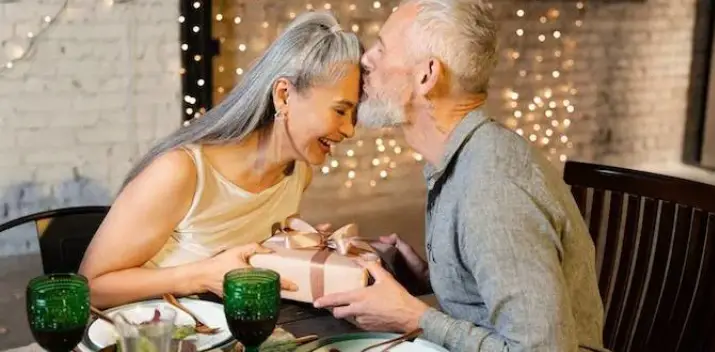
By the time someone reaches 60, they usually have a fully formed identity—complete with long-held habits, routines, emotional scars, and, perhaps most importantly, independence. When a new person steps into that carefully built world, their presence can feel like an emotional earthquake, shaking everything you thought was stable.
And although people rarely talk about it openly, love at this age comes with specific risks—risks to personal freedom, boundaries, and even financial safety.
Below are the most common challenges, along with ways to protect yourself while still leaving space for a healthy, fulfilling relationship.
1. Mistaking loneliness for love
Most individuals over 60 have lived through significant forms of loss—whether it’s the end of a marriage, the death of a partner, friendships fading, or children building their own lives far away. Loneliness can settle in quietly and eventually become a deep ache.
When someone kind, attentive, and present enters the picture, the brain may rush to label the comfort they bring as “love.”
But often, it’s not love—it’s relief.
A spontaneous romance cannot heal loneliness. True healing comes from meaningful social connections, routines that nourish the soul, and a sense of personal purpose. When your entire emotional world rests on one person, you not only lose balance—you also give that person the ability to influence or control you in unhealthy ways.
2. The fear of “this might be my last chance”
When a person in their 20s goes through a breakup, they usually bounce back with the belief that life is full of possibilities. But at 60, heartbreak feels heavier. Many fear that if a relationship fails at this stage, they may never find love again.
This mindset can push people to stay with someone who is not right for them.
The fear of “running out of time” can make you overlook red flags, rush into commitments, or romanticize someone you barely know. And whenever you convince yourself that this is your “only chance,” you end up settling for far less than you truly deserve.
3. Financial and asset risks
By later adulthood, most people have built something worth protecting: a paid-off house, retirement funds, savings, investments, and a lifetime of hard-earned stability. Sadly, this can make older adults attractive targets for financial manipulation.
Most partners are genuine—but emotional scammers exist, and they often prey on older individuals who feel lonely or hopeful for companionship.
Warning signs to watch for before committing:
-
Requests for “temporary” loans
-
Pressure to merge finances quickly
-
Suggestions to change your will or beneficiary
-
Attempts to transfer property
-
Subtle or direct efforts to isolate you from family or friends
Always remember: real love doesn’t drain your bank account or strip away your security. A healthy partner supports your stability instead of threatening it.