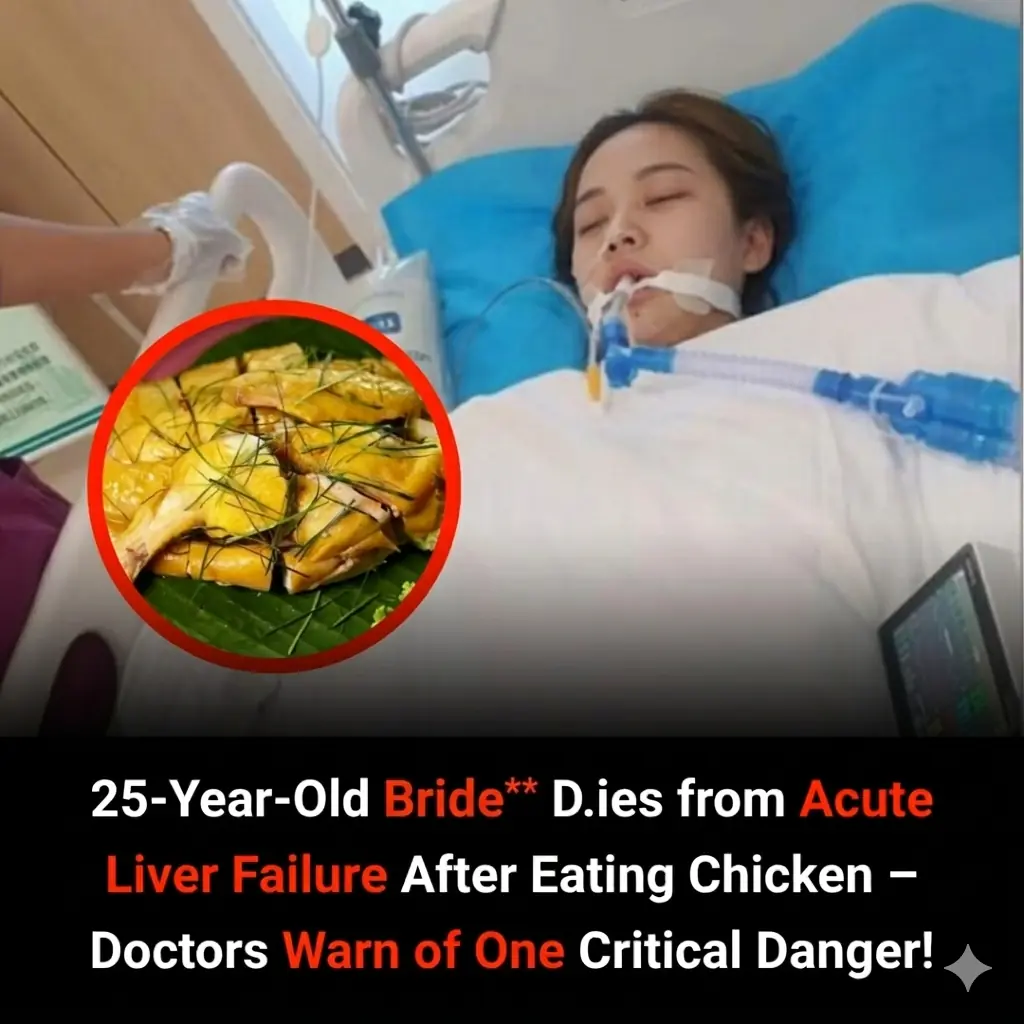
He Felt Fine Just Days Before—Then Everything Changed: A Hidden Food Safety Risk You Shouldn’t Ignore
Health 03/04/2026 08:53
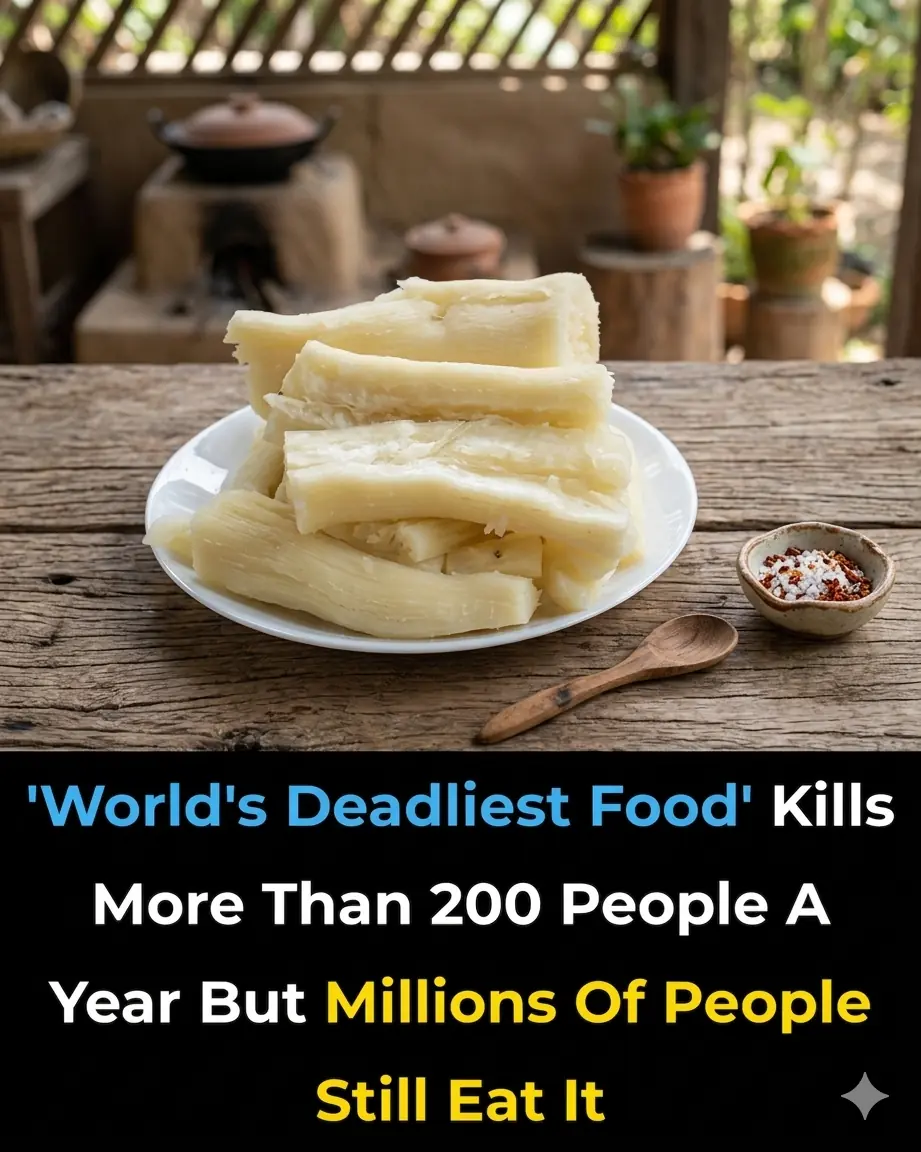
It sounds unbelievable, but one of the most dangerous foods in the world is still consumed by nearly 500 million people every single day.
Even more shocking? It’s responsible for hundreds of deaths each year.
So why hasn’t it been banned? And why do people continue to eat it despite the risks?
Let’s take a closer look.
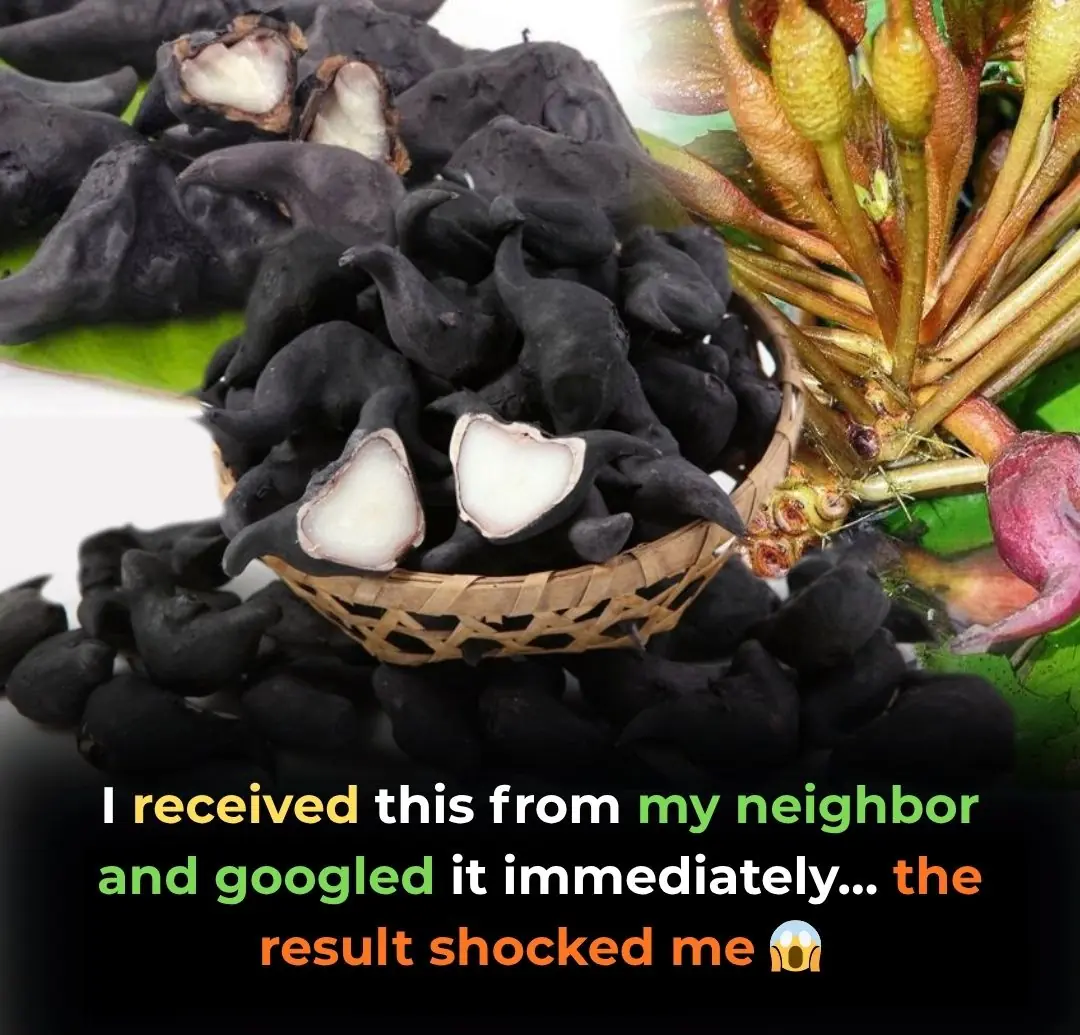
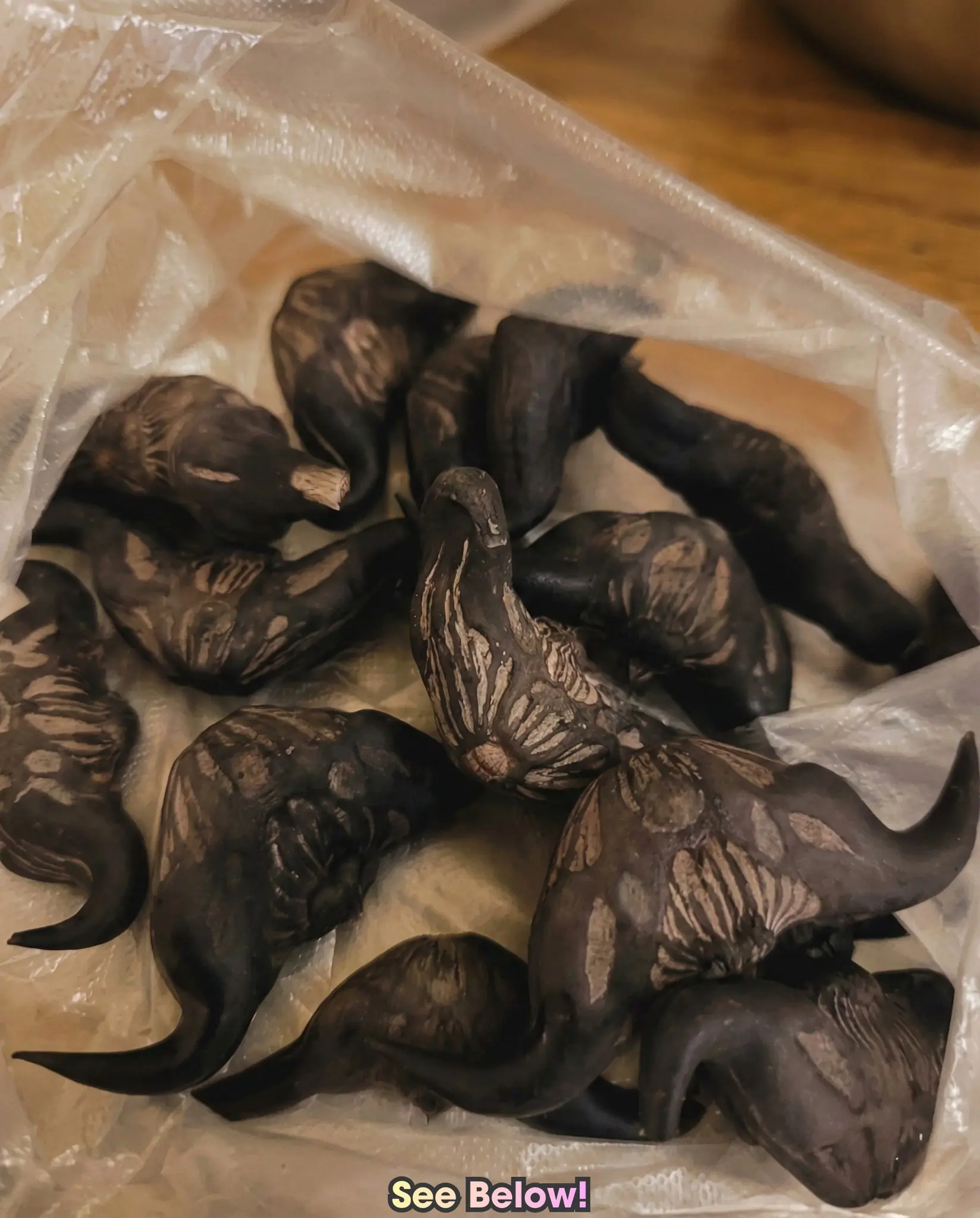
The food in question is cassava, a root vegetable widely eaten across Africa, Asia, and Latin America. At first glance, it looks harmless — similar to a potato — and is a staple in many traditional diets.
But cassava contains natural compounds that can release cyanide, a highly toxic chemical, if not prepared properly.
Yes, cyanide — the same substance known for its deadly effects.
Cassava naturally contains substances called cyanogenic glycosides. When the plant is raw or improperly processed, these compounds can turn into cyanide in the body.
In small amounts, the human body can detoxify it. But in larger doses, it can lead to:
According to health experts, improper cassava consumption causes over 200 deaths every year, especially in regions where food shortages force people to skip proper preparation methods.
Despite the risks, cassava remains a lifeline food for millions.
Here’s why:
For many communities, cassava isn’t just food — it’s survival.
The danger doesn’t come from cassava itself, but how it’s handled.
When properly prepared — soaked, fermented, dried, and cooked — cassava becomes safe to eat. Traditional methods can remove up to 90% of the toxic compounds.
However, during times of famine or crisis, people may skip these crucial steps, increasing the risk of poisoning.
In some regions, long-term exposure to poorly processed cassava has been linked to a neurological condition known as konzo, which causes irreversible paralysis, especially in children.
This makes cassava not just a food issue, but a public health concern.
The story of cassava highlights a difficult truth: sometimes, the most dangerous foods are also the most essential.
For millions of people, the choice isn’t between “safe” and “unsafe” — it’s between eating what’s available or going hungry.
It’s easy to judge from the outside, but cassava shows how complex food safety can be around the world.
Would you try a food that could be deadly if prepared the wrong way?
👇 Share your thoughts below — and tag someone who needs to see this!