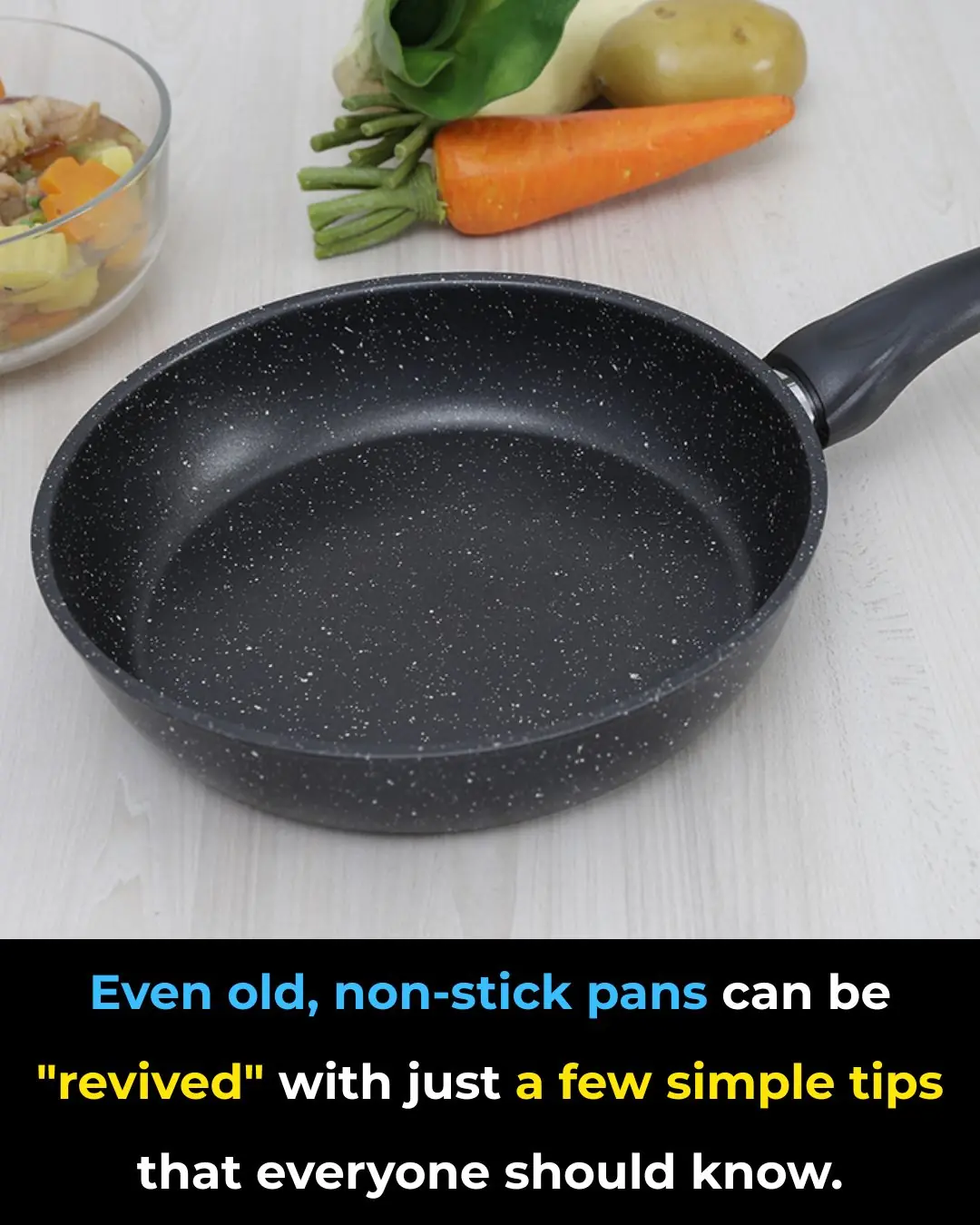
Even old, non-stick pans can be "revived" with just a few simple tips that everyone should know.
Tips 30/12/2025 14:25

Xôi is a familiar and beloved dish in Vietnamese cuisine. It is commonly enjoyed as a breakfast food and is also an indispensable offering during important occasions such as Lunar New Year, death anniversaries, weddings, and other ceremonial events. Traditionally, glutinous rice is soaked overnight so that the grains can absorb enough water before steaming. However, when time is limited but you still want soft, fluffy sticky rice with plump, glossy grains, you can apply a few simple tips below.
Depending on personal preference, you can choose different types of glutinous rice. The most popular choice is “nếp cái hoa vàng,” which produces sticky rice that is shiny, chewy, evenly cooked, pleasantly fragrant, and less prone to breaking. Other varieties such as Tú Lệ glutinous rice, Điện Biên glutinous rice, Thai glutinous rice, Nhung glutinous rice, or goose glutinous rice are also excellent options.
When buying glutinous rice, choose grains that are round, uniform in size, opaque white, and lightly fragrant. After purchasing, gently rinse the rice to remove dust and impurities without rubbing too hard, as this may break the grains.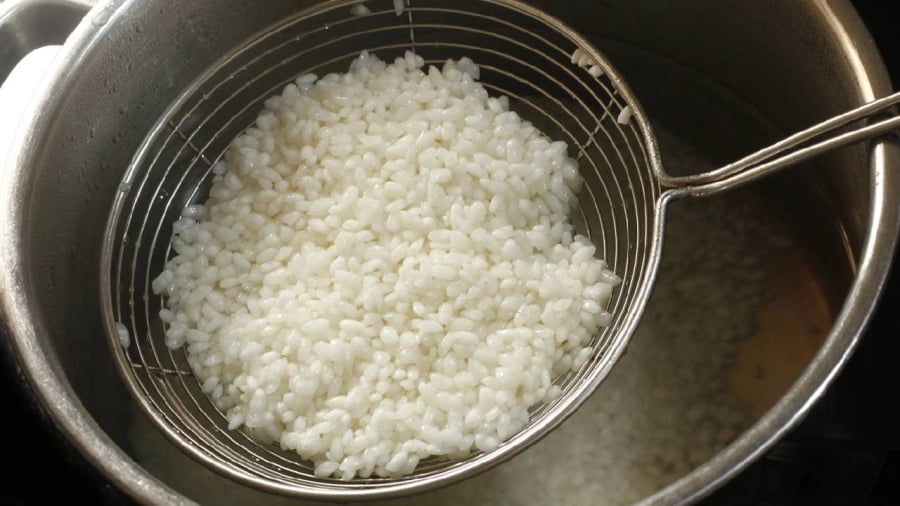
Glutinous rice and regular rice have different structures, so their cooking methods are not the same. Regular rice can be cooked directly without soaking, while glutinous rice usually needs to be soaked for several hours before cooking. Both types of rice are starches composed of two main components: amylopectin and amylose. Amylopectin is mainly found in the outer layer of the grain, while amylose is concentrated in the core. Amylose dissolves in water, whereas amylopectin does not dissolve in cold water but swells and gelatinizes when exposed to hot water for a long time, creating the sticky texture.
Glutinous rice contains more than 98% amylopectin, while regular rice contains much less. This is why glutinous rice requires special handling to achieve a soft, sticky texture without becoming clumpy.
If you don’t have time to soak glutinous rice overnight, you can still ensure soft, evenly cooked sticky rice by using one of these quick methods. Bring a pot of water to a boil, add the rice, and stir gently for about 30–40 seconds. Then immediately pour the rice into a colander and shake it well to drain excess water.
Alternatively, you can soak the rice in very hot water for about 30 minutes, then drain thoroughly. Blanching or soaking in hot water allows moisture to penetrate the outer amylopectin layer without causing it to gelatinize too quickly. At the same time, it helps heat reach the inner amylose layer, allowing the grains to cook evenly while remaining separate and fluffy.
Once the rice has drained well, mix it with a small amount of cooking oil or chicken fat and a pinch of salt. This step enhances the flavor and helps the sticky rice grains become plumper, shinier, and more appealing.
Spread the rice evenly in a steamer basket and poke a few large holes through the rice layer so steam can circulate better and distribute heat evenly. To add fragrance, you can place pandan leaves inside the steamer while cooking. Bring the water to a rolling boil, place the steamer on top, cover with a lid, and steam over high heat. After about 5 minutes, open the lid and fluff the rice to ensure even cooking. Continue steaming for another 5 minutes over high heat until the sticky rice is fully cooked, soft, and glossy.
With these simple techniques, you can enjoy perfectly steamed sticky rice even when you don’t have much time, while still preserving its traditional flavor and texture.