
Health 15/03/2026 12:31
To Pull or Not to Pull? The Surprising Truth About Wisdom Teeth as a "Spare Part" for Your Smile
To Pull or Not to Pull? The Surprising Truth About Wisdom Teeth as a "Spare Part" for Your Smile
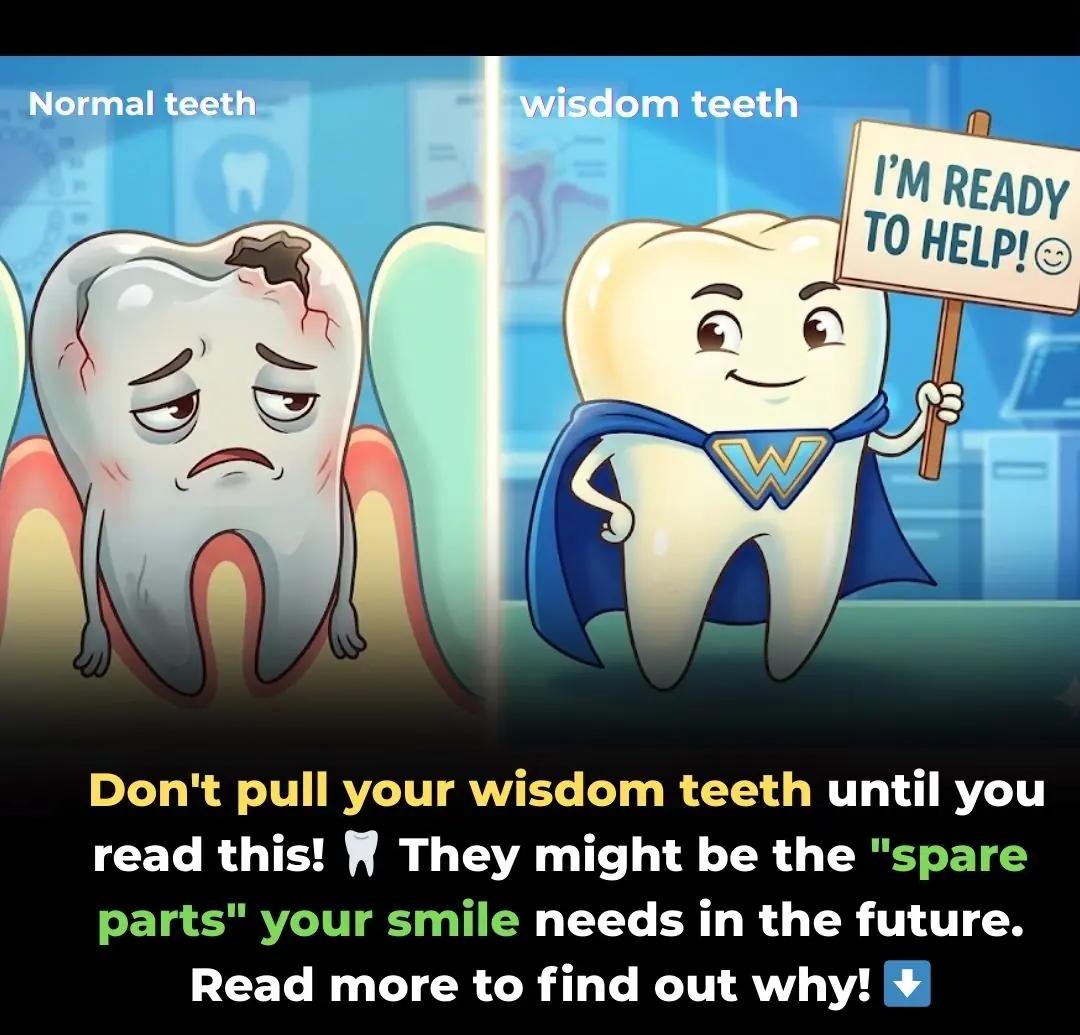
In the dental community and wellness circles, "wisdom teeth" (third molars) are often the subject of heated debate. Most of us grew up hearing one common piece of advice: "As soon as they appear, pull them out to avoid pain and crowded teeth." But is this always the best move? Could removing these teeth be a waste of a precious biological "backup plan"?
Wisdom Teeth – Not Always the Villain
Wisdom teeth typically emerge between the ages of 17 and 25. Because they arrive after the jaw has finished growing, they often lack space, leading to impaction or misalignment. However, if a wisdom tooth is growing straight, is healthy, and aligns well with its opposite tooth, modern dentistry suggests: Keep it.
Extracting wisdom teeth unnecessarily when they are functional is not just an added expense—it can also impact the integrity of the jawbone and the sensitive nerve systems surrounding the area.
The Replacement Value: A "Spare Tire" for Damaged Molars
This is perhaps the greatest value of wisdom teeth that few people talk about. In the future, if you unfortunately lose a 1st or 2nd molar (the most critical teeth for chewing) due to deep decay, root canal failure, or injury, your wisdom tooth becomes a "lifesaver."
-
Serving as a Dental Bridge Abutment: If a wisdom tooth is healthy, it can serve as a sturdy anchor for a dental bridge to replace a missing adjacent tooth.
-
Autotransplantation (The Ultimate Recycle): This is an advanced dental technique where a surgeon extracts your own healthy wisdom tooth and "transplants" it into the socket of a damaged molar that needs to be removed. Since it is your own biological tissue, the success rate is high, and it is often more sustainable and natural than a synthetic dental implant.
By pulling a healthy wisdom tooth too early, you might be throwing away a perfect "replacement part" that could have saved your smile years later.
Does Extraction "Harm" the Gums?
Many fear that keeping wisdom teeth ruins the gums, but the extraction process itself carries risks. When a tooth is removed, the surrounding alveolar bone tends to recede over time if not managed perfectly, which can weaken the support for neighboring teeth.
Furthermore, wisdom tooth surgery—especially for complex cases—can cause soft tissue trauma, prolonged bleeding, or even nerve damage in the lower jaw. If a tooth isn't causing complications, keeping it is often the best way to preserve the natural architecture of your gums and bone.
When Should You Keep It vs. Pull It?
To stay SEO-friendly and medically responsible, we must distinguish between different scenarios:
1. You should KEEP it when:
-
The tooth is fully erupted and growing straight.
-
It is not causing persistent pain or swelling.
-
You can clean it easily with a toothbrush and floss.
-
It has a functional biting partner on the opposite jaw.
2. You should EXTRACT it when:
-
It is growing at an angle and pushing against your 2nd molar (causing decay in healthy teeth).
-
It is impacted and causing cysts or recurring gum infections (Pericoronitis).
-
The tooth itself has deep cavities because it is located too far back to clean.
Tips for Living Peacefully with Your Wisdom Teeth
If you decide to keep this "spare part," you need a specialized care routine:
-
Use a Slim-Head Brush: To reach the very back of the jaw where space is tight.
-
Invest in a Water Flosser: This is the most effective tool for clearing food debris from the tight gaps around wisdom teeth that manual brushes miss.
-
Bi-annual Checkups: Ensure your dentist monitors your wisdom teeth every 6 months to make sure they aren't silently affecting your other teeth.
Conclusion
Wisdom teeth are not "useless leftovers" of evolution. When healthy and properly aligned, they act as a perfect biological backup, capable of replacing damaged teeth in the future in a way that no synthetic material can match. Think twice and consult with a trusted professional before saying goodbye to your wisdom teeth.
News in the same category

A Spoonful of This Natural Blend May Help Support Eye Health and Reduce Eye Fatigue
Doctors Reveal That Eating Grapes May Offer Powerful Health Benefits
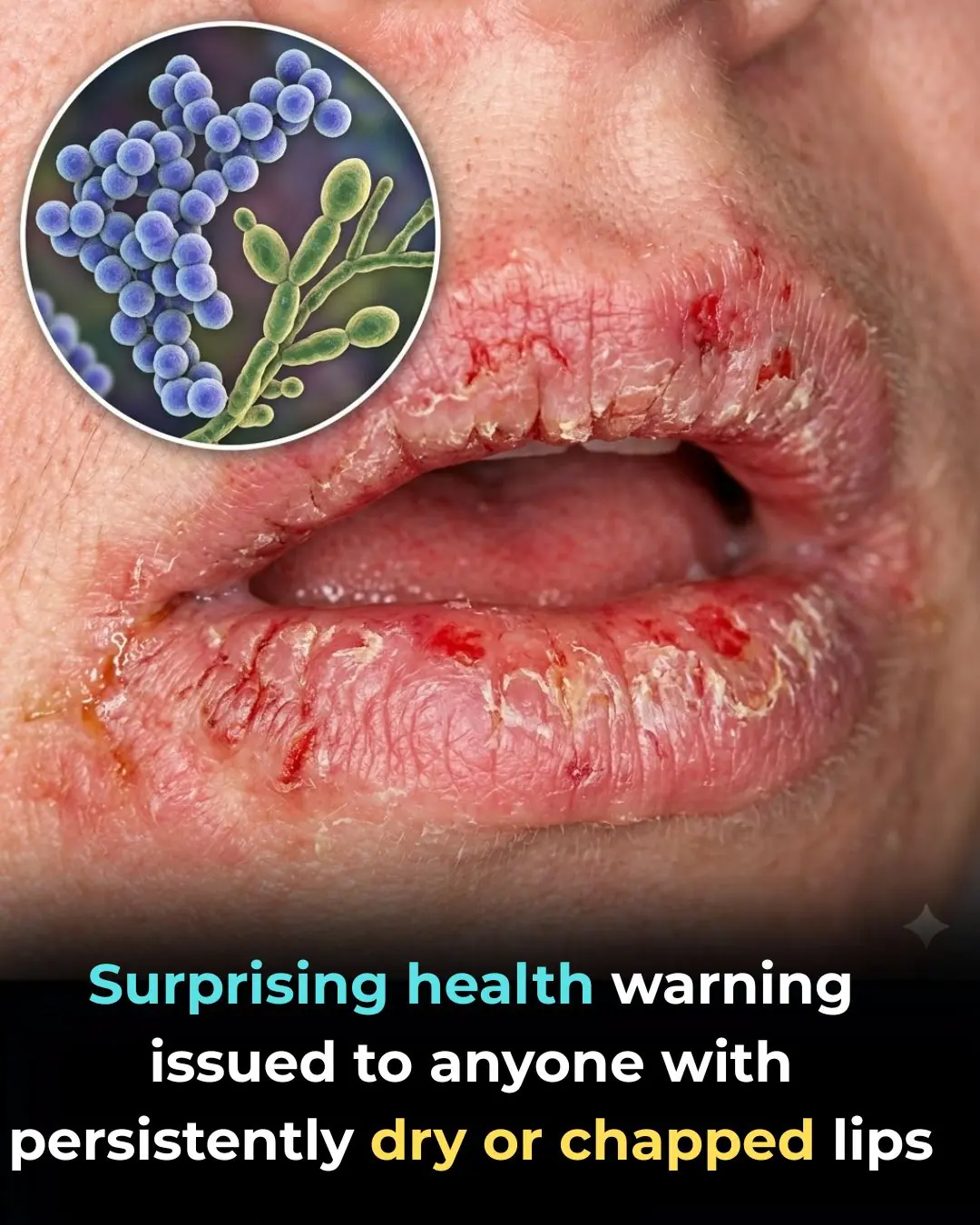
The Unexpected Health Warning You Shouldn’t Ignore If Your Lips Are Always Cracked or Dry
7 Things That Happen to Your Body When You Eat Beef Jerky Often
Eating a Clove of Garlic Every Morning: The Secret to Transforming Your Health in 6 Months
7 Things That Happen to Your Body When You Eat Beef Jerky Often

What Happens to Your Body When You Eat Watermelon?
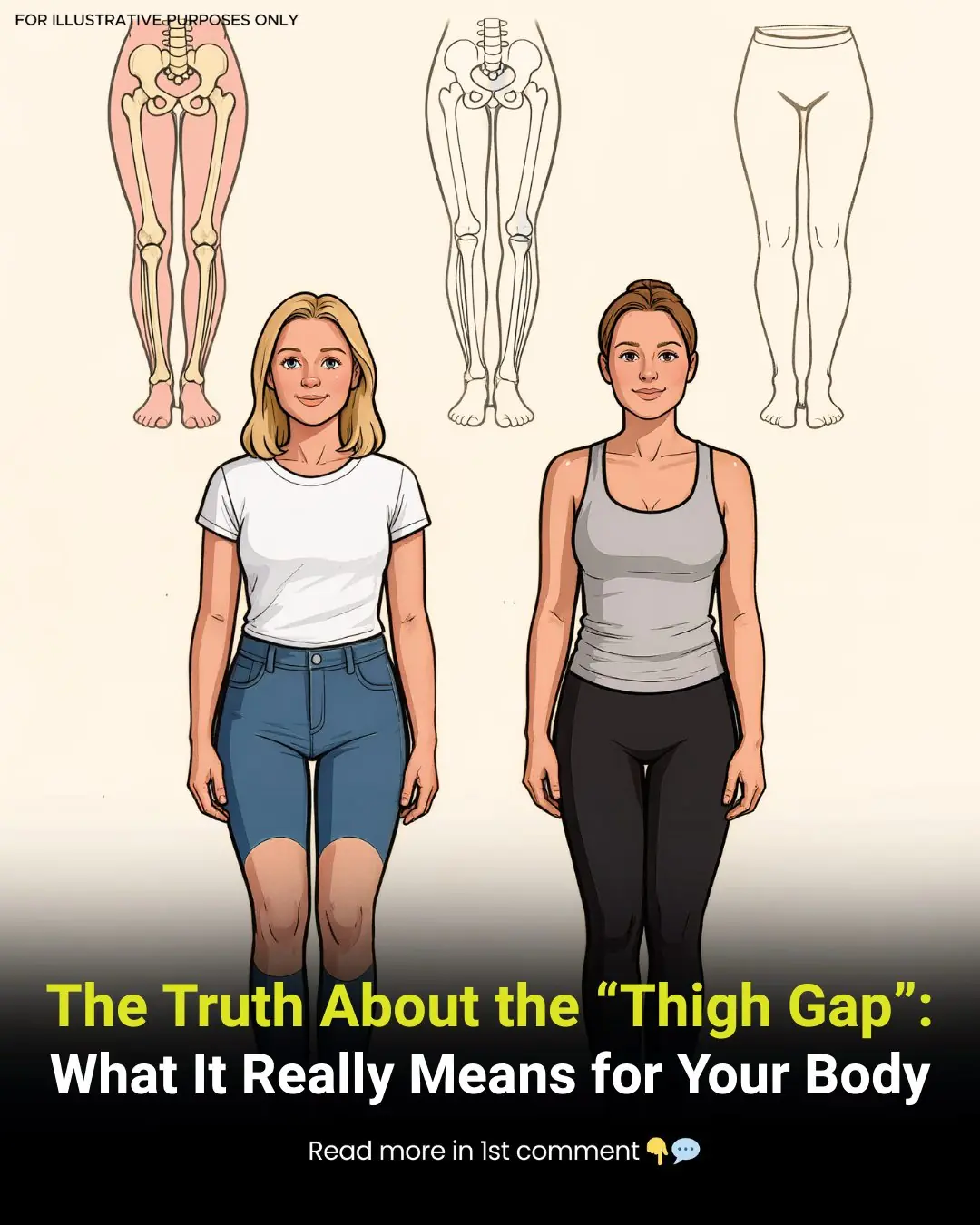
The Truth About the “Thigh Gap”: What Science Really Says

What Happens When You Eat an Apple Before Bed?
Discover What Clove Water Can Do for Your Body: A Natural Health Secret
Garlic and Honey for Blood Pressure: A Traditional Natural Blend That May Support Heart Health
“People Think I Had Plastic Surgery!”
Never leave a charger in outlet without phone. Here are the top 6 reasons why
Why We Forget Our Dreams
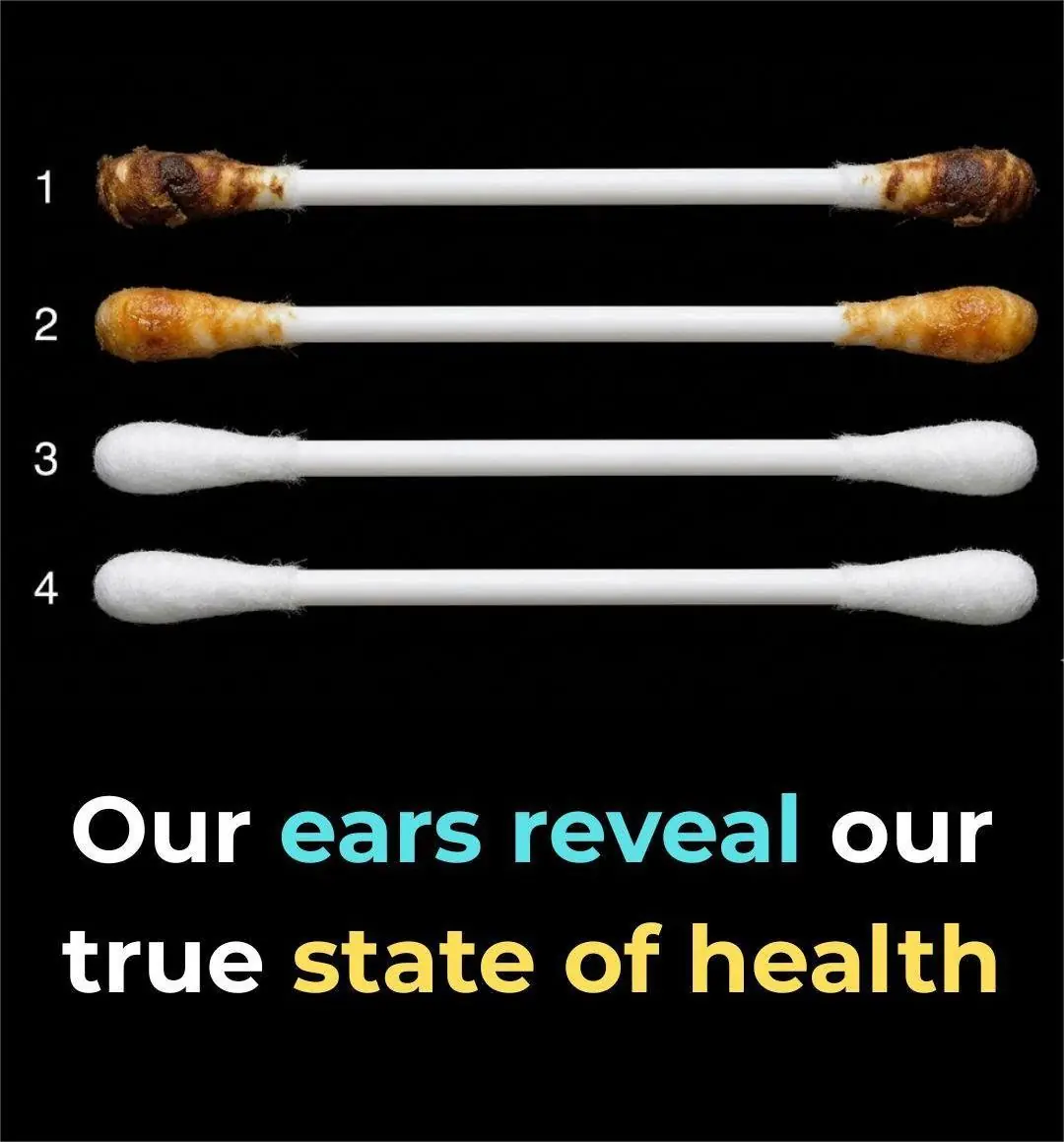
What Your Ears Can Reveal About Your Health

Doctor Reveals Easy Hack to Quiet Your Brain
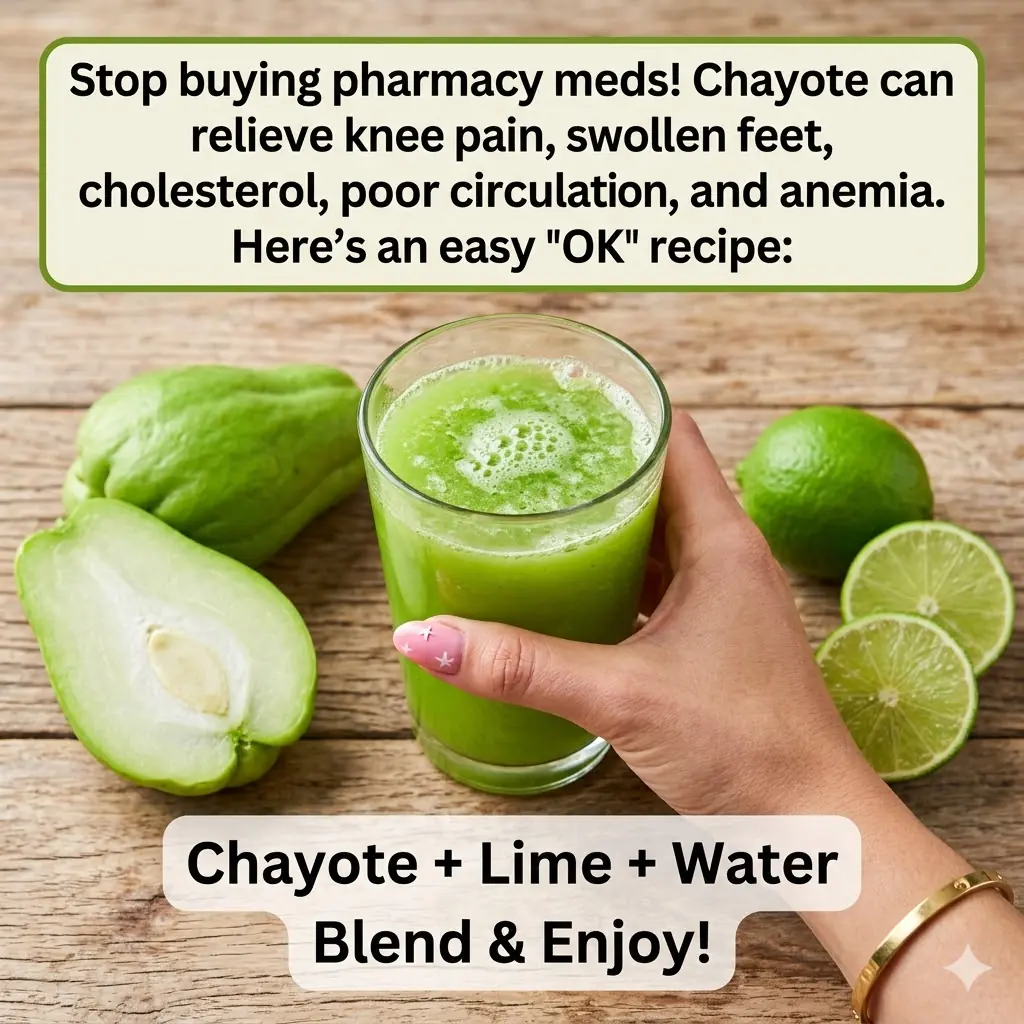
Chayote: Natural Support for Circulation, Joint Comfort, and Healthy Blood Levels
News Post

STOP "SKINCARE SELF-TORTURE": A SCIENTIFIC JOURNEY TO RADIANT SKIN FROM WITHIN
Beatuty Tips 15/03/2026 12:58
MILLIONAIRE STORMS HOME TO FIRE THE MAID, THEN FREEZES WHEN HE SEES HIS “PARALYZED” TWINS STANDING
Life stories 15/03/2026 10:44
Alert: Common Nerve Pain Medication Linked to Increased Risk of Dementia?
Health 15/03/2026 10:00
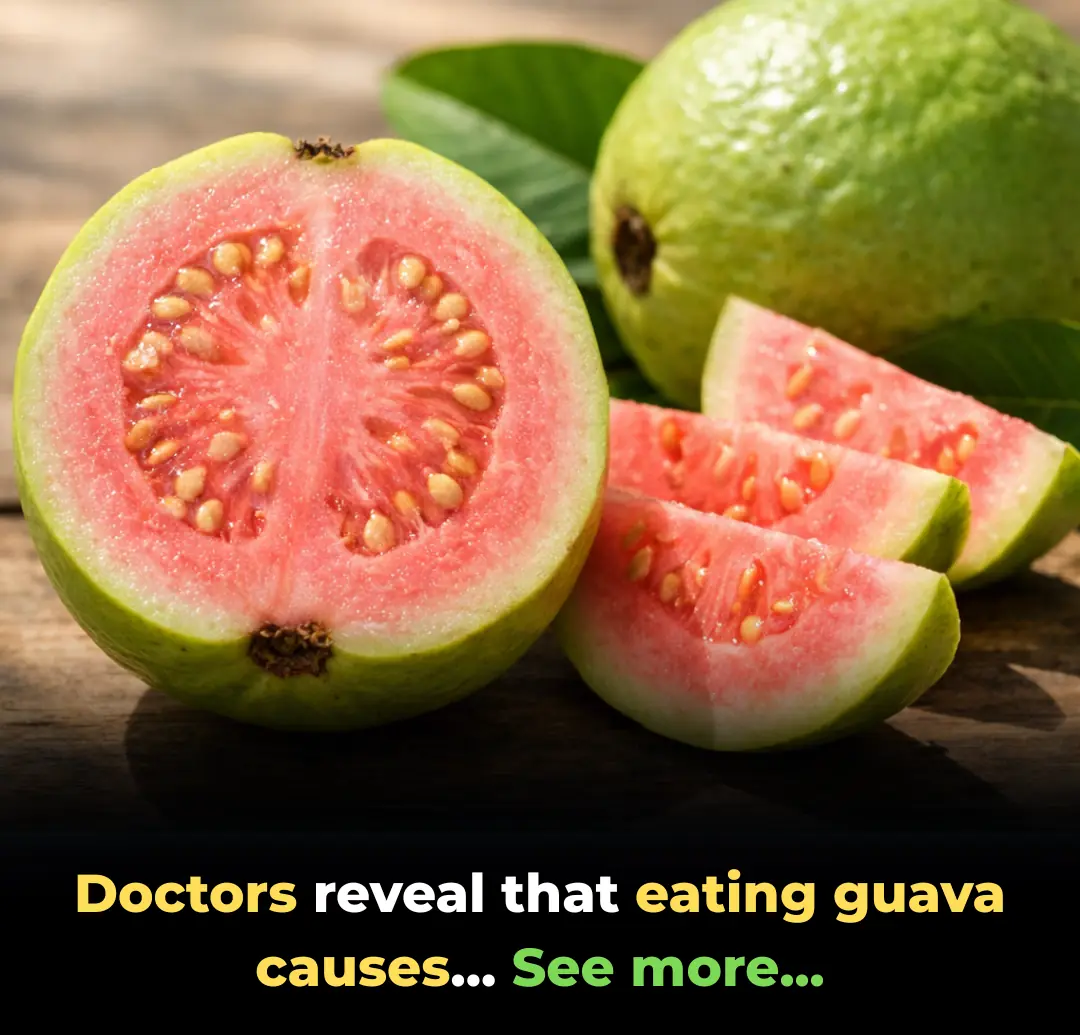
The Remarkable Health Benefits of Guava: Why This Tropical Superfood Should Be in Your Diet
Garden Healthy 15/03/2026 09:41
A Spoonful of This Natural Blend May Help Support Eye Health and Reduce Eye Fatigue
Health 14/03/2026 23:49
Doctors Reveal That Eating Grapes May Offer Powerful Health Benefits
Health 14/03/2026 23:01
The Unexpected Health Warning You Shouldn’t Ignore If Your Lips Are Always Cracked or Dry
Health 14/03/2026 22:56
7 Things That Happen to Your Body When You Eat Beef Jerky Often
Health 14/03/2026 22:54

Two Years After My 5-Year-Old Son Died, I Heard Someone Knocking on My Door Saying, 'Mom, It's Me'
Beatuty Tips 14/03/2026 22:36

After 31 Years of Marriage, I Found a Key to a Storage Unit with Its Number in My Husband's Old Wallet – I Went There Without Telling Him
Beatuty Tips 14/03/2026 22:30

The waitress was having lunch alone… until the millionaire appeared and whispered, “Pretend you’re my wife.”
Beatuty Tips 14/03/2026 22:28

At 36, I Married a Beggar Woman and We Had Two Children — Until One Day, Three Luxury Cars Arrived and Revealed Her True Identity, Shocking the Entire Village
Beatuty Tips 14/03/2026 22:27

I Raised My Twin Sons All Alone – but When They Turned 16, They Came Home from Their College Program and Told Me They Wanted Nothing More to Do with Me
Life stories 14/03/2026 22:11

“THIS IS ALL I CAN GIVE YOU.” HE DUMPED HIS PREGNANT WIFE AT A BUS STOP WITH A LOAF OF BREAD… UNTIL A SINGLE DAD AND HIS LITTLE GIRL TURNED HIS ABANDONMENT INTO EVIDENCE.
Life stories 14/03/2026 22:00

A Rich Boy Humiliated a Poor Janitor in Public — Then a Hells Angel Walked In!
Life stories 14/03/2026 21:22
Crying 77-Year-Old Woman Showed Hells Angels Her Empty Fridge — Then This Happened
Life stories 14/03/2026 21:07

Black Grandma Sheltered 9 Hells Angels From the Storm — Next Day, 100 Bikers Supported Her Diner
Life stories 14/03/2026 20:57

My husband called me while I was on a business trip, saying, ‘I’m going to marry my mistress, and I’ve sold the house as well, so you can live on the streets.’ I calmly replied, ‘Alright.’ When I returned home, I couldn’t stop laughing. He a
Life stories 14/03/2026 20:48

A “POOR” WIFE WALKED INTO FAMILY COURT WITH TWINS, AND THE CEO’S MISTRESS LAUGHED, UNTIL THE JUDGE READ ONE NAME OUT LOUD AND ENDED THEIR PERFECT LIE
Life stories 14/03/2026 20:41