The Nightly Choice That Could Protect or Endanger Your Brain
Health 18/01/2026 23:16
We all enjoy a sprinkle of salt on our fries or in a hearty bowl of soup—but too much salt can quietly wreak havoc on your body over time. While it may not taste dangerous, excess sodium (commonly found in table salt, or sodium chloride NaCl) can impact nearly every major organ, leading to long-term health consequences you may not see coming.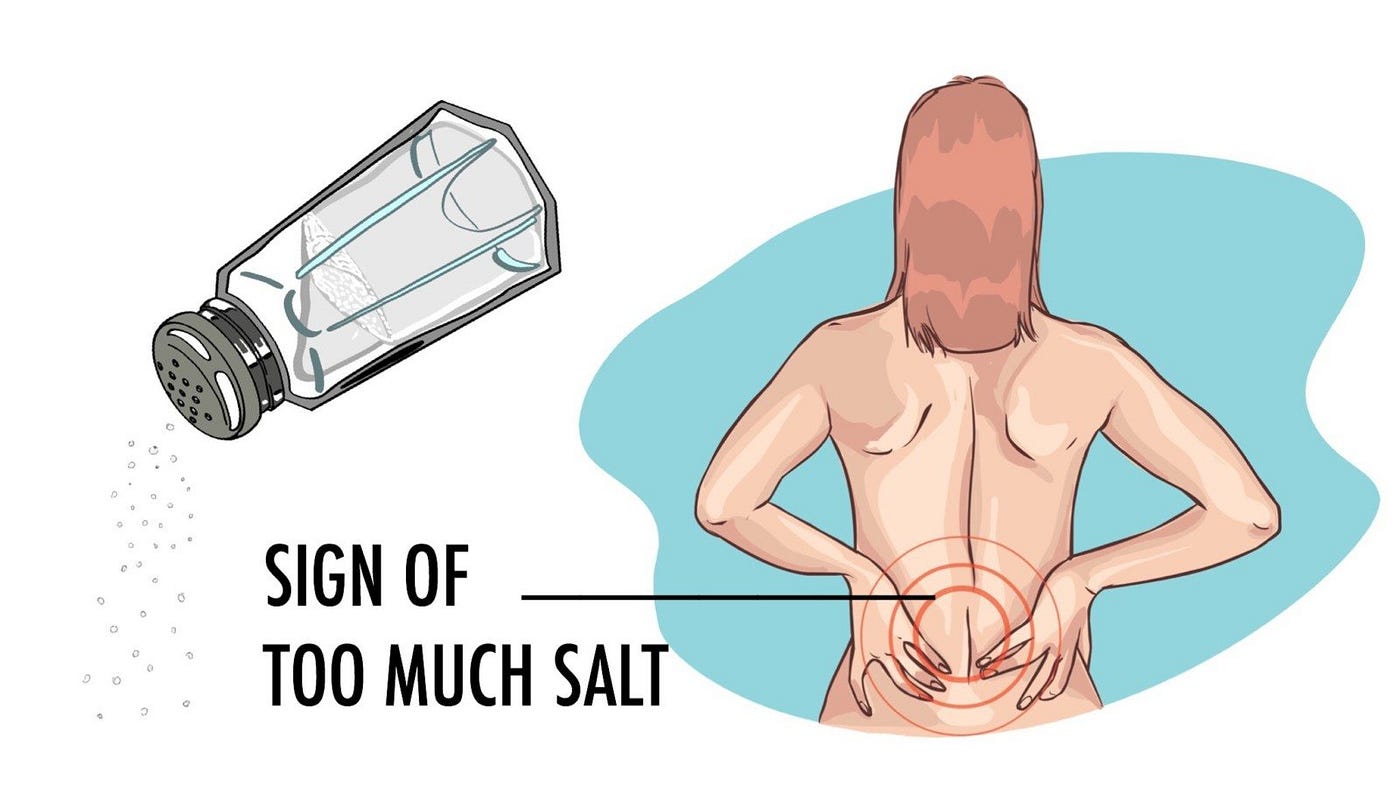
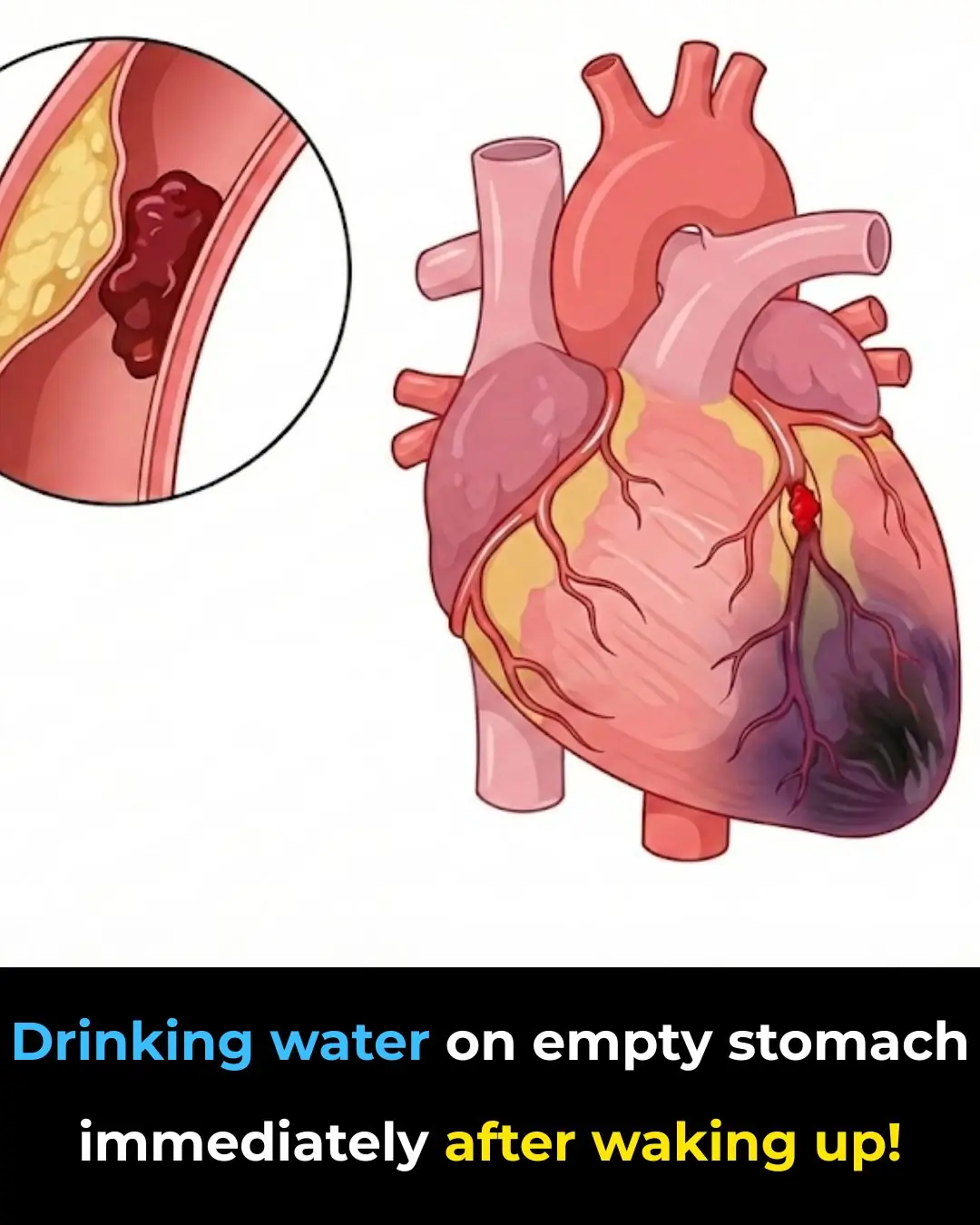
Your heart is one of the first organs to suffer when salt intake goes unchecked. When you consume too much salt, your body retains extra water to dilute the sodium. This increases blood volume, putting added pressure on your arteries, leading to high blood pressure (hypertension). Over time, this can result in:
Heart attacks
Strokes
Heart failure
High salt intake is one of the leading contributors to cardiovascular disease worldwide.
Your kidneys filter out excess sodium to keep your body in balance. But if they’re constantly overwhelmed with high salt levels, their function can begin to deteriorate. Long-term effects include:
Chronic kidney disease
Kidney failure
Kidney stones, due to calcium imbalance
A high-sodium diet forces your kidneys to work overtime, leading to potentially irreversible damage.
Think salt doesn’t affect your brain? Think again. The high blood pressure caused by excessive salt intake can damage blood vessels in the brain, increasing your risk of:
Stroke
Cognitive decline
Dementia
Emerging research links salty diets with impaired brain function and memory, especially in older adults.
Excess sodium causes your body to excrete more calcium through urine, weakening your bones over time. This increases the risk of osteoporosis, especially in postmenopausal women and older adults.
Too much salt doesn’t just affect internal organs—it can damage your digestive system too. High sodium levels may:
Erode the stomach lining, increasing the risk of ulcers and stomach cancer
Disrupt your gut microbiome, weakening digestion and immune defenses
High salt intake can lead to water retention, making you look bloated or puffy. It can also worsen inflammatory skin conditions, such as eczema.
If left unchecked, excessive salt consumption can contribute to or worsen:
High blood pressure
Heart disease
Stroke
Kidney disease and kidney stones
Osteoporosis
Stomach cancer
Dementia and cognitive issues
Fluid retention and bloating
Insulin resistance, increasing the risk of type 2 diabetes
Metabolic syndrome, a cluster of conditions that raise the risk of chronic disease
The World Health Organization (WHO) recommends less than 5 grams of salt per day—that’s about 1 teaspoon. For most adults, this equates to:
2,300 mg of sodium daily (maximum)
Ideal target: 1,500 mg/day, especially for those over 50 or with high blood pressure
Women may require slightly less due to lower average body mass.
Avoid processed foods: Canned soups, chips, instant noodles, and frozen meals are often loaded with hidden sodium.
Cook at home: Control what goes into your meals by preparing them yourself.
Use herbs, lemon juice, garlic, and spices for flavor instead of salt.
Always check nutrition labels—opt for "low sodium" or "no added salt" options.
Salt is essential for health in small amounts, but too much can be a silent killer. From your heart and kidneys to your brain and bones, the damage adds up over time. The key is moderation. A pinch? Fine. A handful? It’s time to cut back.