How to Identify Fish Contaminated with Urea: No Matter How Cheap, Don’t Buy It
Health 18/01/2026 16:57
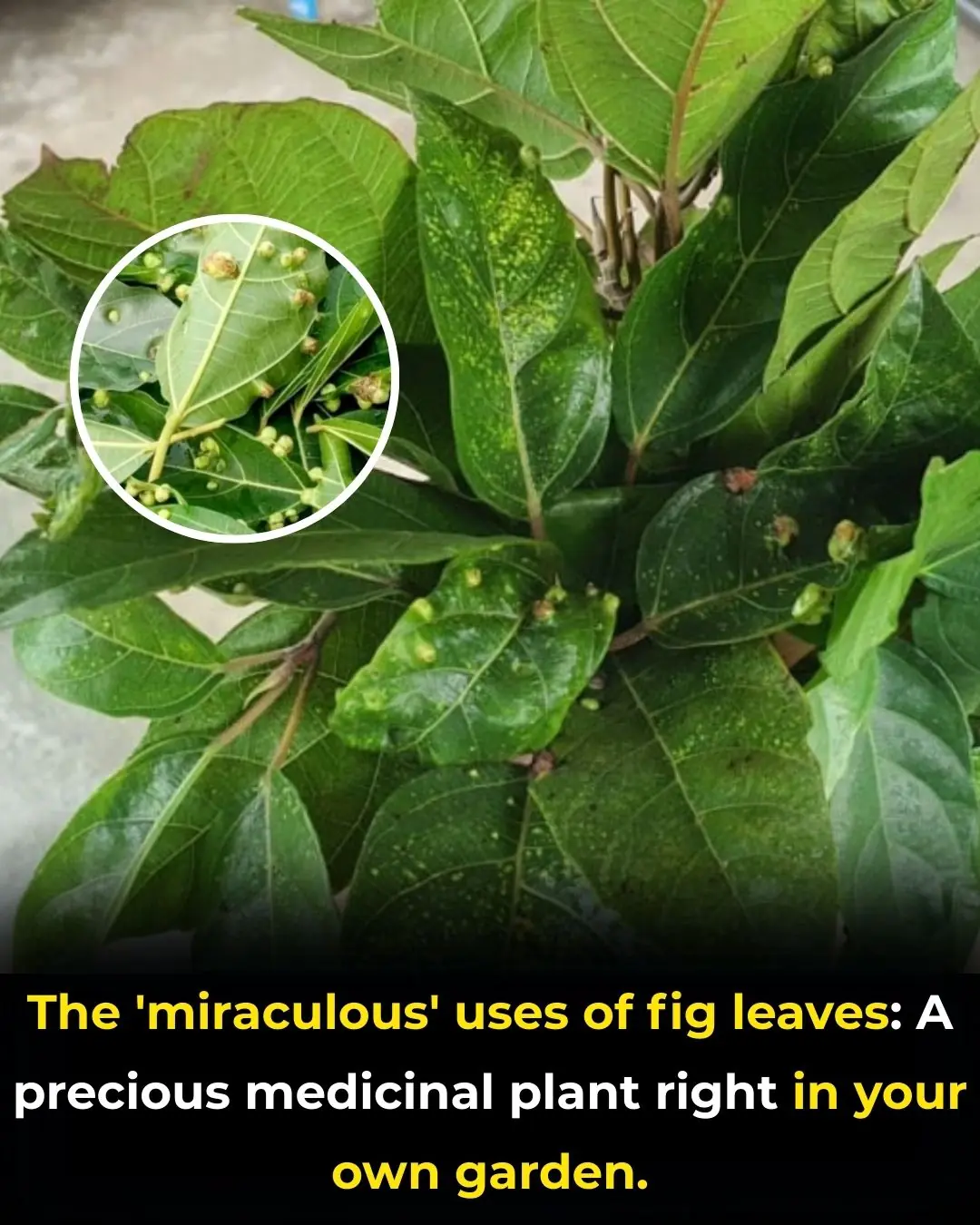
Fig leaves are commonly regarded as an indispensable accompaniment to traditional Vietnamese dishes such as fermented pork rolls, fish salad, and various fresh rolls. They are appreciated for their ability to reduce greasiness, neutralize fishy odors, and soften sour flavors. However, beyond their culinary role, fig leaves also offer a range of potential health benefits that are less widely known.
According to Dr. Nguyen Thuy Trang from Vinmec Sao Phuong Dong Traditional Medicine Center, traditional Eastern medicine places particular value on fig leaves that have small nodules or bumps on their surface. These leaves are considered superior to smooth leaves and are believed to have medicinal properties that support liver function, relieve headaches, and help nourish the body during recovery from illness.
The nodules found on fig leaves are caused by parasitic activity of Psyllidae insects during the early stages of leaf development. By the time the leaves mature, the insects have already left, and no eggs or larvae remain inside the nodules. These nodules appear only on young leaves that grow from fresh buds. For this reason, specialists note that leaves with nodules are safe to use and can be confidently selected for culinary or medicinal purposes.
In traditional medicine, fig leaves are described as having a cooling nature, a mildly sweet taste combined with slight astringency. They are believed to help improve blood circulation, relieve pain, promote urination, reduce inflammation, dissolve phlegm, inhibit bacterial growth, and nourish the blood. In folk medicine, fig leaves have also been used to treat numbness and muscle aches, as well as to stimulate breast milk production in postpartum women.
Some health organizations and scientific studies have explored the biological activity of fig leaves. Small-scale studies have suggested that compounds extracted from fig leaves may help reduce post-meal blood glucose levels, thereby lowering insulin requirements in people with diabetes.
Laboratory experiments have also indicated that fig leaves and fig tree sap may inhibit the growth of certain cancer cell lines, including colon, breast, cervical, and liver cancer cells. In addition, fig leaves have been associated with improvements in blood pressure regulation and reductions in lipid levels in the body. These findings are preliminary and largely based on experimental or laboratory research, but they highlight the potential of fig leaves as a supportive medicinal plant.
Traditional practitioners have documented several folk remedies using fig leaves:
To stimulate lactation: Fig leaves with nodules are cooked together with pork trotter, young jackfruit, green papaya, and glutinous rice to make a nourishing porridge, consumed twice daily for several days.
For painful, inflamed skin lumps accompanied by fever: Fig leaves are combined with other medicinal herbs, decocted, and taken orally twice a day.
For liver heat and jaundice: Fig leaves are brewed with herbs such as capillary wormwood and pennywort and consumed like herbal tea throughout the day.
For colds and fever: Fig leaves are boiled with lime leaves, turmeric, and garlic to make a concentrated decoction. The drink is taken warm to induce sweating.
For sprains and joint dislocations: Crushed fig leaves are mixed with other medicinal leaves and alcohol, then applied externally to the affected area.
For facial acne: Steam and wash the face daily with boiled fig leaf water.
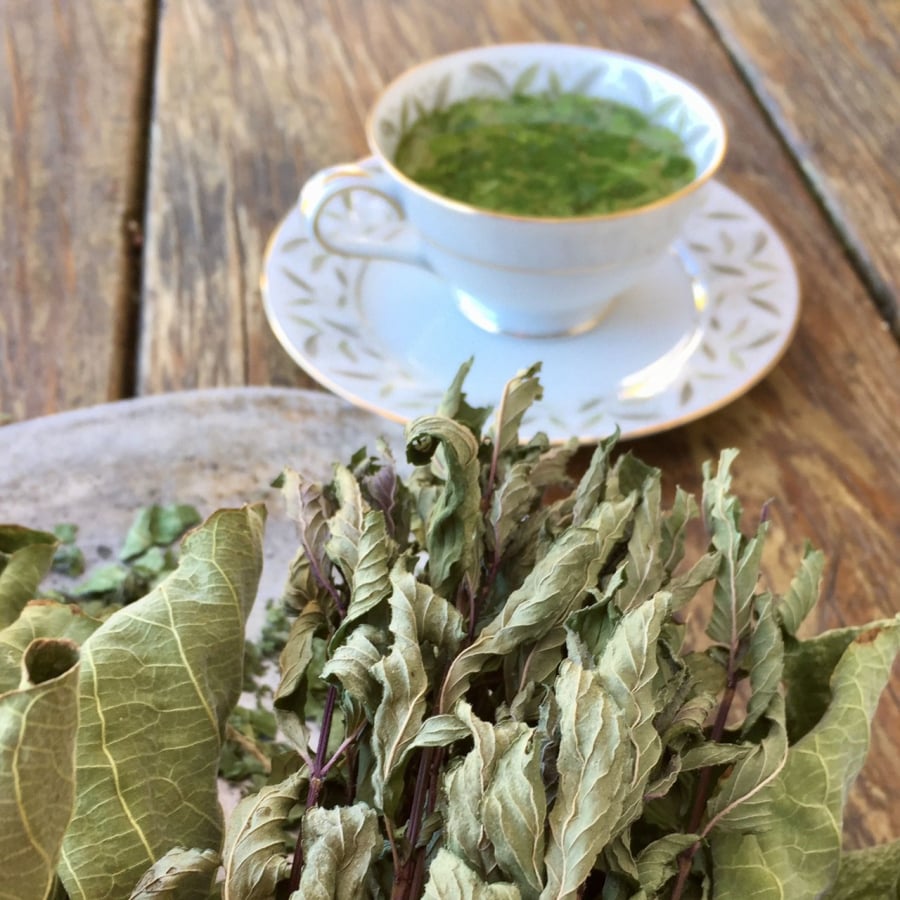
Fig leaves are also used in traditional tonic formulas for people recovering from illness, experiencing loss of appetite, fatigue, or insomnia. In these remedies, fig leaves are dried, ground into powder, and combined with other medicinal ingredients such as lotus seeds, Chinese yam, angelica root, and honey to form small herbal pills. These are taken daily in measured doses depending on age.