Too Much Salt May Lead to Depression, New Study Suggests

High Salt Intake Could Be Affecting Your Mood
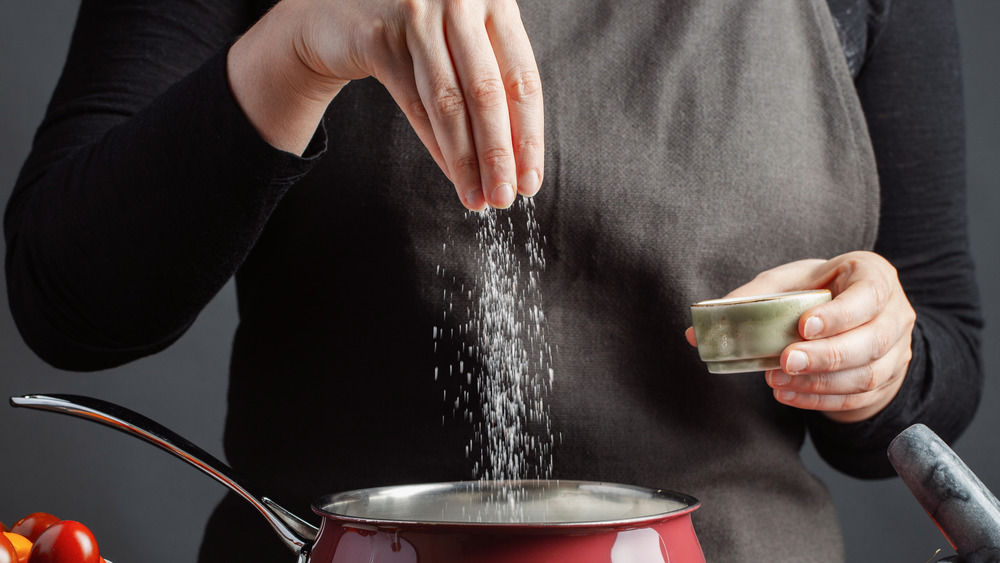
New research shows that eating too much salt may increase your risk of depression. Scientists have found that a high-sodium diet can change how the immune system functions, which in turn affects the brain and mood.
What the Study Found
In a recent study, mice were fed a salty diet for five weeks. The results were clear:
-
The mice became less curious and more inactive — signs linked to depression.
-
There was a rise in IL-17A, an immune molecule found in both the blood and brain.
-
A specific type of immune cell, called gamma delta T cells, became overactive and produced more IL-17A.
Even though the number of these immune cells didn’t increase, they behaved more aggressively. When researchers blocked these cells, the mice became more active and showed fewer signs of depression.
Salt Affects Immune Cells and Brain Health
The study also discovered that salt changes how immune cells generate energy, leading to behaviors that negatively affect the brain. Interestingly, salt affects the body differently than psychological stress—suggesting that diet and stress may lead to depression through separate pathways.
What This Means for You
This study supports earlier research showing that:
-
People who eat high-sodium diets often report worse mental health.
-
Reducing salt in your diet may boost your mood and lower your risk of depression.
If future studies confirm these findings in humans, it could lead to new treatments for depression that focus on immune signals triggered by salt.
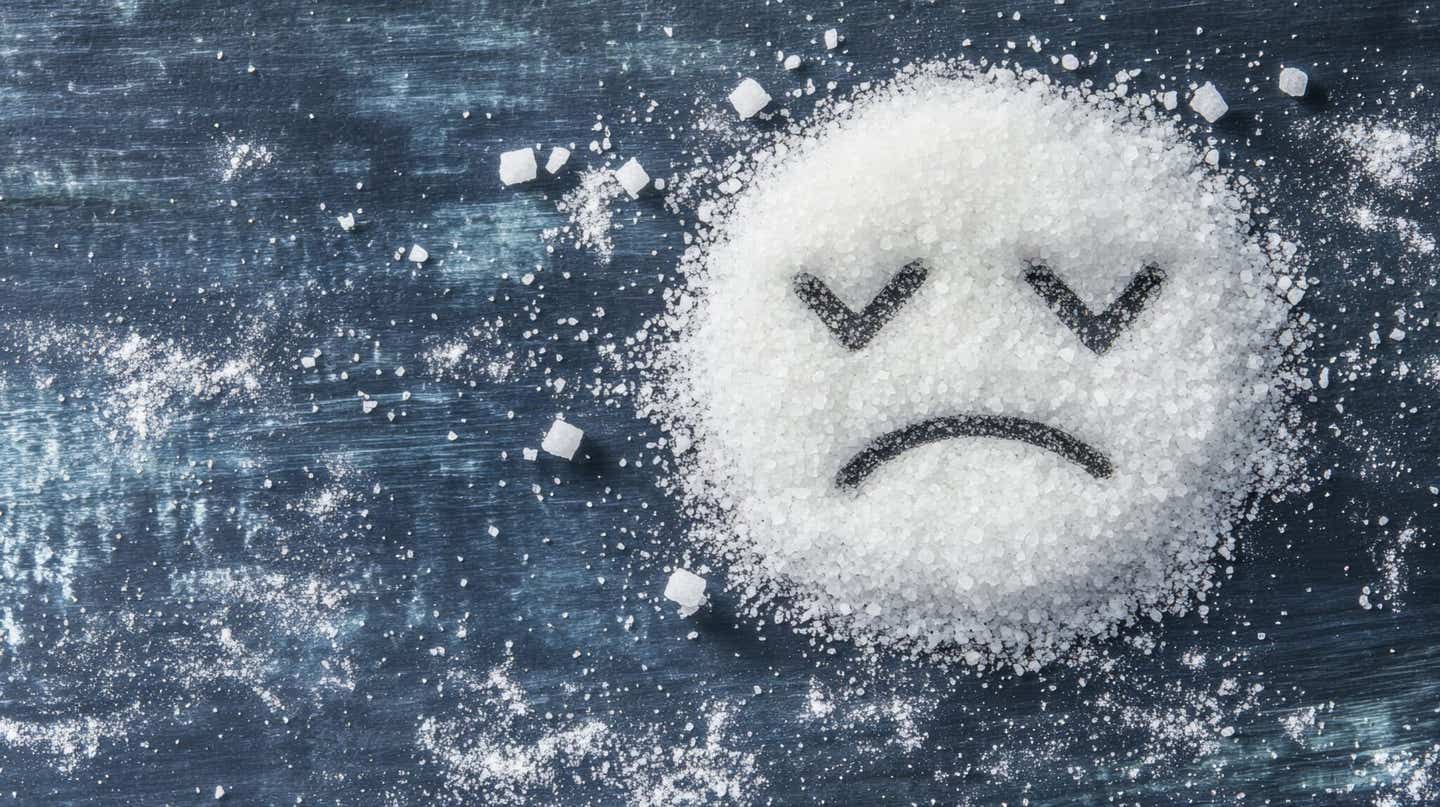
Can Too Much Salt Cause Depression? New Research Says Yes

Many people know that eating too much salt is bad for your heart — but it may also be bad for your mental health. A new study suggests that high salt intake can lead to depression by changing how your immune system works.
In the study, mice fed a salty diet for five weeks showed clear signs of depression: they were less active and less curious. Researchers discovered that a group of immune cells called gamma delta T cells became overactive and produced more of a molecule called IL-17A. This molecule is linked to inflammation in the brain — especially in areas that control mood.
Interestingly, when scientists blocked these overactive immune cells, the depressive symptoms disappeared. The mice became more alert and engaged. The study also found that salt changes how these immune cells use energy, affecting brain health in a different way than emotional stress does.
This research supports earlier evidence showing that people with high-sodium diets often feel worse mentally. It suggests that cutting back on salt could be a simple and natural way to protect your mood. In the future, depression treatments might even target these immune responses.
News in the same category


What Really Happens to Your Liver During Dry January

15 autoimmune warning signs your doctor keeps dismissing as stress or aging

Why You Keep Waking Up With a Dry Mouth

🌿 What Rosemary Can Actually Do

🩺 If Your Legs Feel Heavy, Cold, or Tingly—Here’s What It Means (And How to Improve Circulation Naturally)

What Does an Itchy Left Hand Mean

Four Types of Vegetables That Cancer Cells “Fear”: Doctors Recommend Eating Them Regularly for Better Health

The Biggest “Invisible Killers” in the Kitchen: These Three Things Can Be More Harmful Than Dirty Cooking Oil — Keep Them Away From the Elderly and Children

How to Identify Fish Contaminated with Urea: No Matter How Cheap, Don’t Buy It

Fig Leaves: A Valuable Medicinal Plant in the Home Garden

The Top 5 Viruses and Bacteria Linked to Cancer Today

4 Foods People Swear Prevent Hangovers—What Science Says

Signs and Symptoms of Influenza (Flu)

Are You Up to Date on Migraine Prevention?

Radiation and Targeted Cancer Therapy Combination Shows Low Risk of Serious Side Effects

Can Metformin Protect Premature Infants After Antenatal Steroid Exposure?

Vaccines and Healthy Aging: Benefits That Go Beyond Infection Prevention

Drink Coconut Water for 7 Consecutive Days and Notice Remarkable Health Benefits

11 Fruits Rich in Iron That Help Improve Blood Health Naturally
News Post

🚰 Is Drinking Water First Thing in the Morning Beneficial? What Science Says

The Nightly Choice That Could Protect or Endanger Your Brain

What Mixing Vinegar, Salt, and Water Does?

What Really Happens to Your Liver During Dry January

15 autoimmune warning signs your doctor keeps dismissing as stress or aging

Why You Keep Waking Up With a Dry Mouth

🌿 What Rosemary Can Actually Do

🩺 If Your Legs Feel Heavy, Cold, or Tingly—Here’s What It Means (And How to Improve Circulation Naturally)

8 Subtle Signs Angels Might Be Near Your Home

Trick That Makes Cloudy Glasses Shine

What Does an Itchy Left Hand Mean

10 toilet cleaning habits you’re doing wrong

A Single Act of Kindness at the Airport Could Ruin Your Life

Four Types of Vegetables That Cancer Cells “Fear”: Doctors Recommend Eating Them Regularly for Better Health

The Biggest “Invisible Killers” in the Kitchen: These Three Things Can Be More Harmful Than Dirty Cooking Oil — Keep Them Away From the Elderly and Children

A Greek Island Offers Free Living to Those Willing to Care for Rescued Kittens

Fatal Mountain Lion Attack in Colorado Prompts Trail Closures and Public Safety Warnings

Honoring Sourabh Raaj Jain: The Actor Who Brought Lord Krishna to Life 🌸✨🙏

Kate Winslet: Redefining Human Limits 🌊🏆✨