Tradescantia zebrina: The Colorful Healer Hidden in Plain Sight
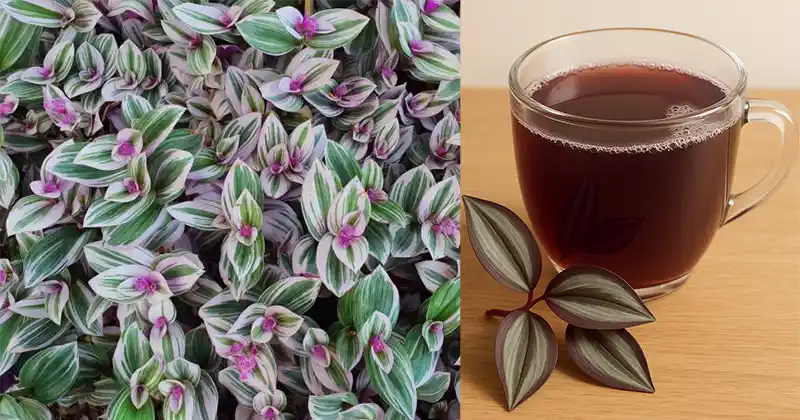
Tradescantia zebrina, often called theinch plantorzebra wandering plant, is one of the most eye-catching indoor and garden plants in the world. With its shimmering purple, green, and silver leaves, this creeping beauty is more than just decoration — it also carries a quiet history of traditional healing and environmental benefits. Though many grow it for its looks, few realize how much potential this simple plant truly holds.
A Plant That Thrives Anywhere
Native to Central and South America,Tradescantia zebrinahas adapted to warm, humid environments but can easily thrive indoors around the world. It grows fast, roots from almost any stem cutting, and can fill a pot or hanging basket in just weeks. Because of its durability, it has become one of the most commonTradescantiaspecies in the United States.
Traditional and Natural Benefits
WhileTradescantia zebrinais mainly known as an ornamental plant today, in traditional herbal practices it has been valued for several health-related properties:
Anti-inflammatory effect– The leaves are sometimes used in folk remedies to calm minor skin inflammation and redness.
Antibacterial potential– Extracts from the plant have been shown in some traditional preparations to help clean small wounds or cuts.
Antioxidant support– Its natural pigments, especially the purple anthocyanins, are believed to fight oxidative stress in the body.
Mild wound healing– The sap of the plant has occasionally been applied to small scrapes and insect bites to promote healing.
Respiratory comfort– Some cultures have brewed mild infusions of the plant to soothe sore throats and ease light coughs.
Cooling effect– Crushed fresh leaves can provide a cooling, refreshing sensation when used on the skin.
Mood-boosting presence– Its vibrant colors and rapid growth make it a natural mood enhancer and stress reliever for indoor environments.
Air purification– Like many green plants,Tradescantia zebrinahelps absorb toxins and refresh indoor air.
How People Use Tradescantia Zebrina
Even though it’s primarily decorative, this plant has found several uses in homes and gardens:
As a natural air freshener:Placing a few pots around windows and desks can help improve air quality while brightening the space.
In natural remedies:Some traditional healers crush the leaves into a paste to apply to minor wounds or irritated skin.
In simple teas:In some regions, the leaves are dried and steeped in warm water to make a mild herbal drink used for throat comfort or general wellness (always under proper guidance).
As a compost booster:Its fast-growing foliage can be added to compost piles to enrich organic matter.
For decorative landscaping:It’s a popular ground cover in warm climates, adding a touch of purple and silver to gardens.
How to Grow and Care for It
Light:Prefers bright, indirect sunlight to keep its leaf colors vivid.
Water:Likes moist soil but dislikes soggy roots; let the top layer dry slightly before watering again.
Propagation:Snip a stem cutting, place it in water or soil, and it will root in just a few days.
Temperature:Thrives between 18–25°C (65–77°F).
Its easy care makes it perfect for beginners who want a lush, living accent at home.
A Living Symbol of Balance
Tradescantia zebrinaembodies balance — beautiful yet humble, strong yet delicate. It doesn’t demand much care but rewards you with endless color and life. Whether you use it to decorate your home, purify your air, or connect with traditional natural remedies, it brings a quiet reminder that even the simplest plants can hold hidden power.
Disclaimer
WhileTradescantia zebrinahas been used in traditional medicine, its effects have not been fully confirmed by modern clinical studies. Some people may experience mild skin irritation from the sap, so it’s best to handle it with care and avoid ingesting it without proper guidance from a qualified herbalist or healthcare professional.
Inspired by this? Share the article with your friends!