The Number Of Doves You See Reveals Who Walks By Your Side...
News 02/04/2026 10:33
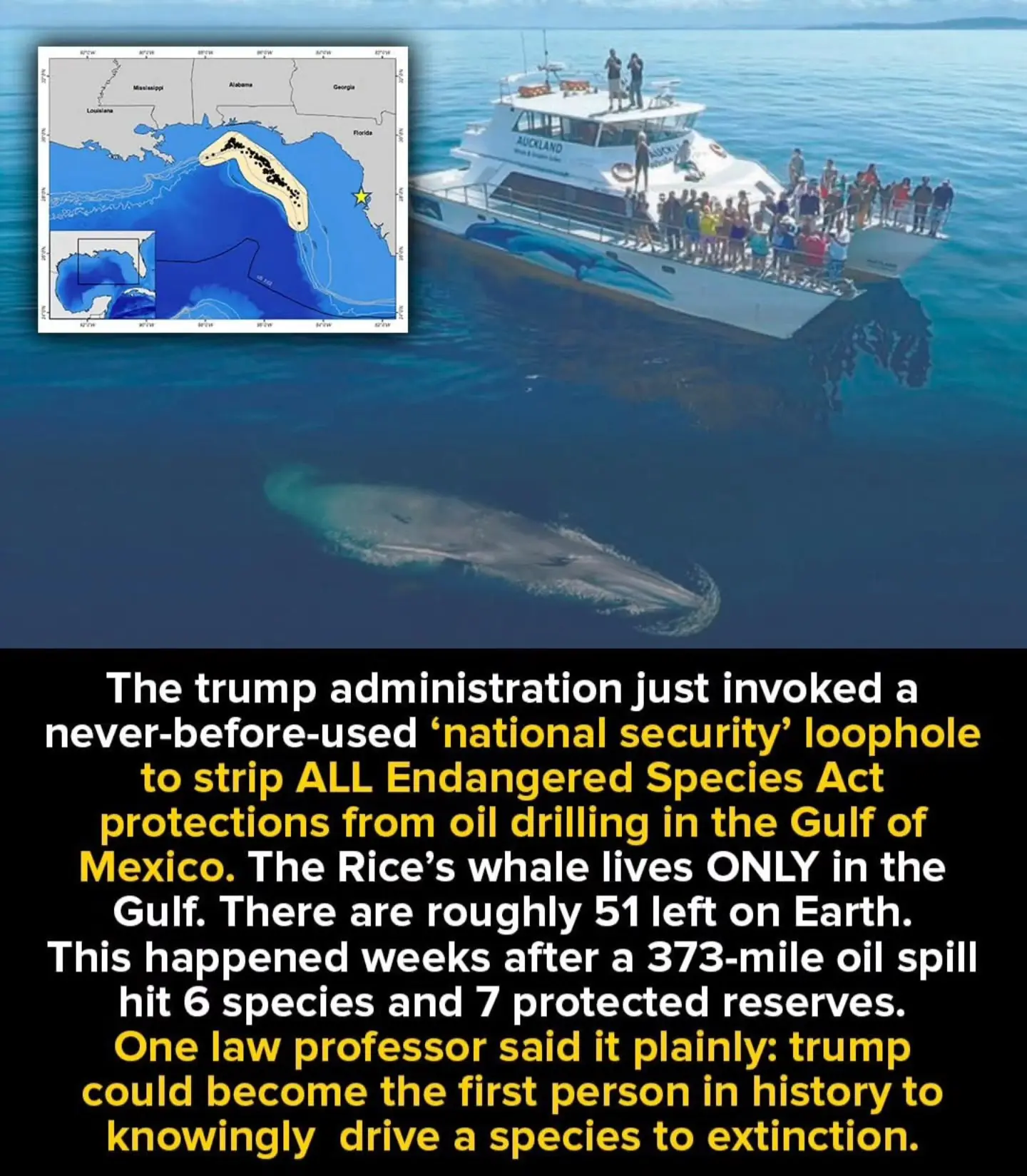
The intersection of energy independence and wildlife conservation has reached a flashpoint. Under a recent administrative shift, a controversial policy move has placed one of the planet’s most endangered marine mammals, the Rice’s whale, directly in the path of potential extinction. By triggering a rarely seen legal loophole, the administration is prioritizing oil and gas expansion in the Gulf of Mexico at the cost of total biological loss.
In a move that has stunned conservationists, the administration has utilized a "national security" loophole to bypass the Endangered Species Act (ESA). This maneuver effectively strips protections from critical habitats to greenlight industry-wide oil and gas drilling.
For the first time in over three decades, the “God Squad”—a high-level committee with the power to allow an agency to bypass the ESA—has been activated. Their goal? To facilitate energy production even if it results in the "extirpation" of a species.
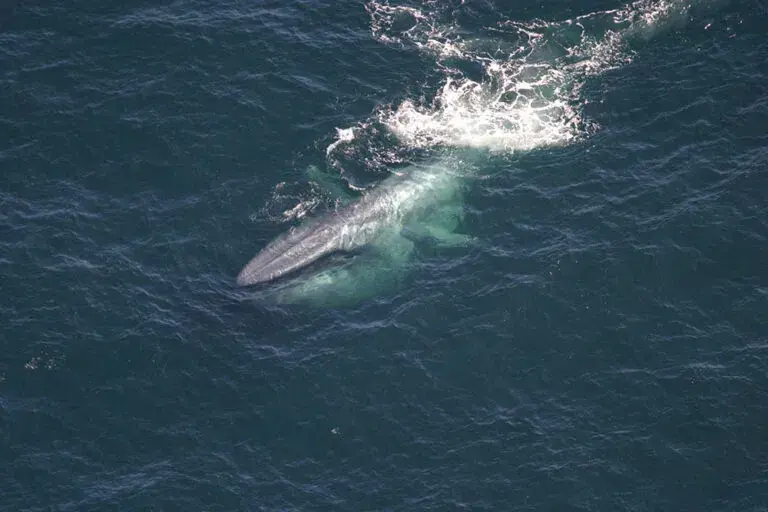
The Rice’s whale is a biological marvel. They are the only baleen whales that reside year-round in United States waters. However, their uniqueness is matched only by their vulnerability:
Population: Fewer than 51 individuals remain.
Habitat: They exist exclusively in the Gulf of Mexico.
Status: Critically Endangered.
With such a fragile population, the margin for error is zero. Experts argue that the introduction of increased seismic blasting, vessel strikes, and potential spills into their primary habitat is not just a risk—it is a guaranteed path to extinction.
This policy shift comes at a sensitive time. Just weeks prior, a massive 373-mile oil spill devastated the Gulf, impacting six different species and seven protected reserves. Critics argue that doubling down on drilling in the wake of such environmental trauma is "business as usual" taken to a dangerous extreme.
Patrick Parenteau, a professor emeritus at Vermont Law School, provided a chilling perspective on the gravity of this executive direction:
“If Trump is successful here, he could be the first person in history to knowingly extirpate a species from the face of the earth.”
There is no denying that energy needs are a cornerstone of national policy. However, the ethical question remains: Is the total extinction of a unique species an acceptable price for domestic oil? Humanity has never before documented the deliberate, policy-driven erasure of a species with fewer than 60 survivors. This isn't just about environmentalism; it is about the precedent we set for the future of the planet.
The Rice’s whale cannot lobby or vote, but the public can. Raising awareness about the #RicesWhale and the implications of the #GulfOfMexico drilling expansion is the first step in mounting a defense.
History is watching. Whether the Rice’s whale remains a part of our world or becomes a cautionary tale depends on the lines we choose not to cross today.