People Are Confused About What This Might Be
Facts 24/06/2026 20:57
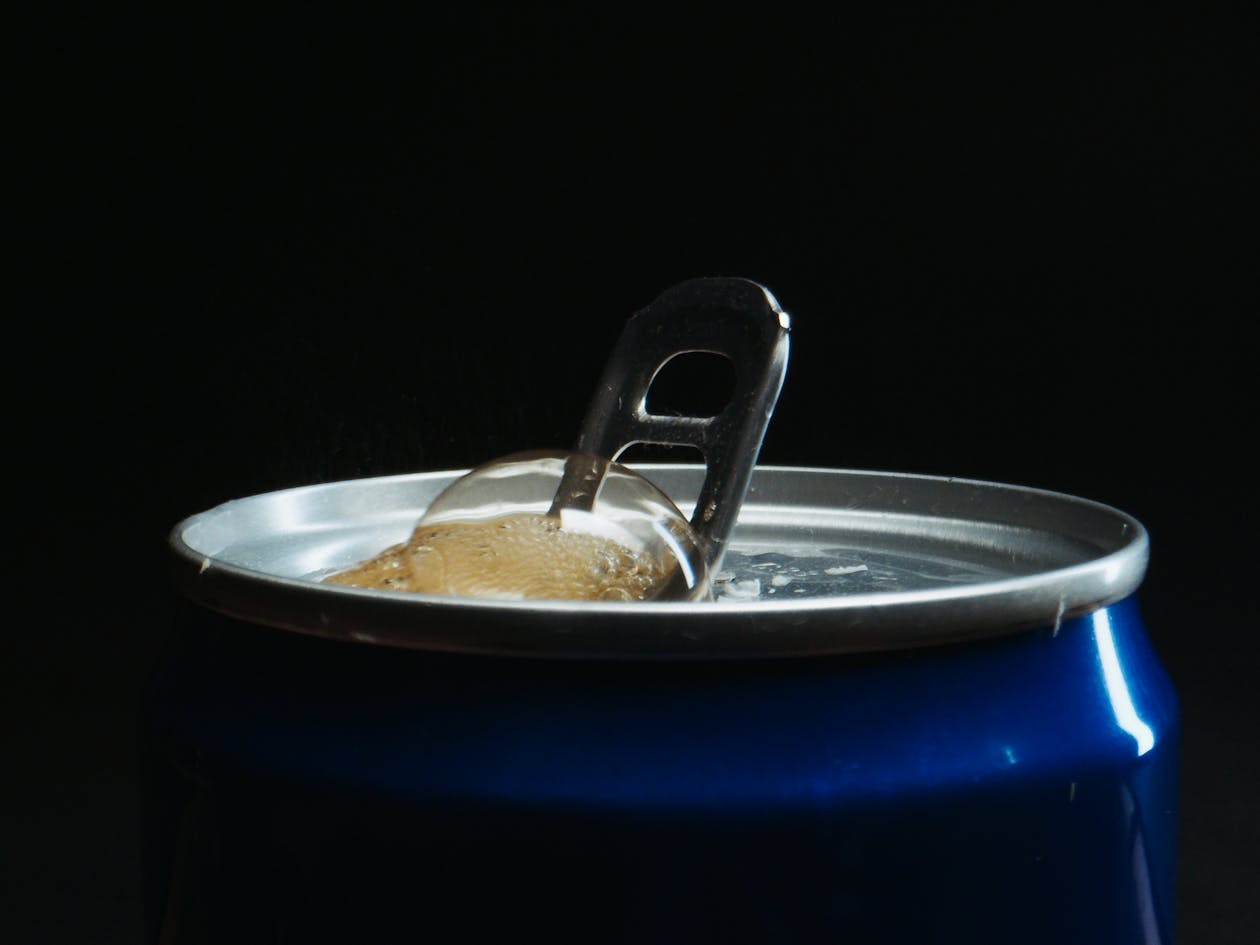
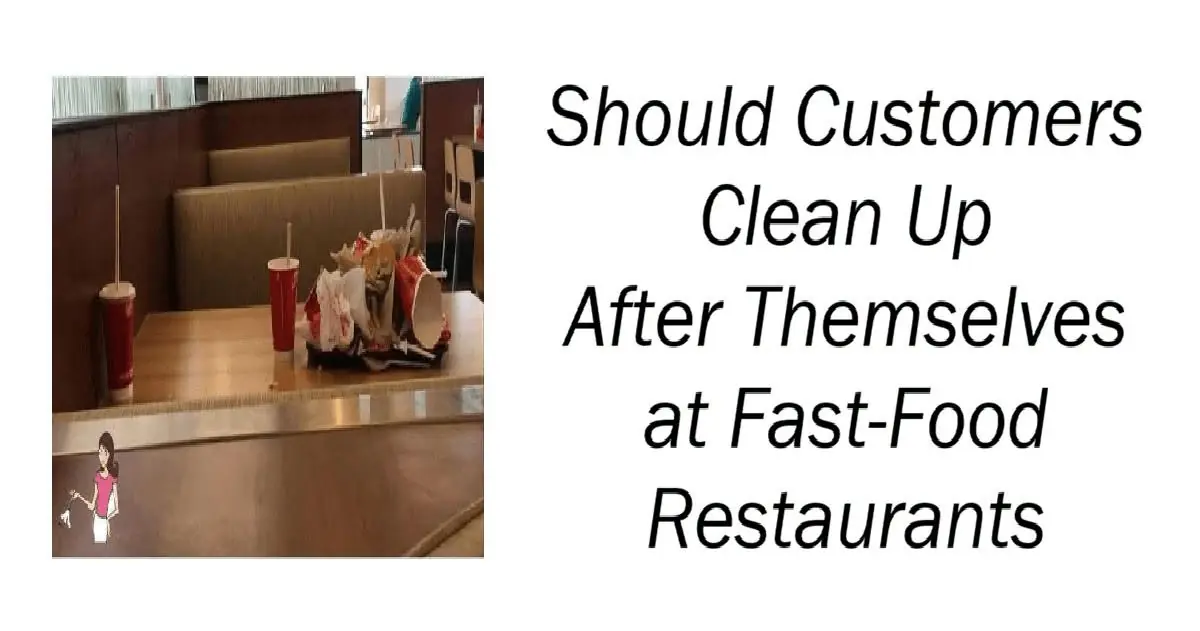
Walk into a fast-food restaurant in England today and something feels different. The familiar hum of the soda fountain, once a symbol of endless choice, has gone silent. The era of unlimited refills is officially over. Across the nation, restaurant chains are now forbidden from offering free refills on sugary beverages—a seemingly small change that represents a much larger national shift.
The “free refill ban” is just one piece of a sweeping government campaign against junk food, part of a broader effort to tackle one of the UK’s most stubborn health challenges: childhood obesity. From supermarket shelves to television screens, a wave of new restrictions is reshaping how Britons buy, eat, and even think about food.
After years of debate and consultation, the government’s policies have moved from theory to action—signaling a decisive cultural shift toward healthier habits and corporate accountability.

Under the new rules, restaurants and cafés are prohibited from offering unlimited refills of sugar-sweetened beverages. Whether the drink comes from a self-serve fountain, a bottle, or is mixed behind the counter, any beverage with added sugar now falls under restriction.
This includes not only the usual suspects—colas, lemonades, and energy drinks—but also sweetened iced teas, flavored coffees, and milkshakes. Even those comforting “bottomless” brunch beverages, if they contain added sugar, are no longer fair game.
Fast-food chains that built part of their brand around the idea of endless soft drinks are facing a redesign of their operations. Many are pivoting toward sugar-free options or highlighting unsweetened alternatives to retain customer loyalty while staying compliant.
Public health officials see this as a symbolic yet crucial move. By curbing constant access to sugary drinks, they hope to reduce daily sugar intake and disrupt the normalization of excessive consumption—especially among younger diners.
The changes extend well beyond restaurants. Supermarkets and major retailers with 50 or more employees can no longer run “buy one, get one free” or “three for two” promotions on foods high in fat, sugar, or salt.
Gone are the days when impulse buyers could be lured by discounted crisps, chocolate bars, or sugary cereals stacked at the end of every aisle. These multi-buy promotions, once a cornerstone of supermarket marketing, are now considered public health hazards.
Retailers have had to overhaul their promotional strategies, replacing unhealthy deals with discounts on fruit, vegetables, and other nutritious products. While some business groups initially protested, consumer surveys show a gradual shift in public opinion—many shoppers say the absence of tempting junk food deals actually makes it easier to make healthier choices.
Starting January 2026, Britain’s screens will also look different. Junk food advertisements will no longer be allowed on television before 9 p.m., shielding children from exposure during their most-watched programs.
But the rules go further. Online advertising of unhealthy foods will face a round-the-clock ban. No sponsored TikToks, no YouTube pre-rolls, no banner ads for chocolate bars or sugary drinks. Health officials estimate these bans could remove 7.2 billion calories a year from children’s diets and prevent up to 20,000 cases of childhood obesity.
Wes Streeting, Secretary of State for Health and Social Care, defended the sweeping approach:
“Obesity robs our kids of the best possible start in life, sets them up for a lifetime of health problems, and costs the NHS billions. This government is acting decisively to stop junk food companies from targeting our children, both on TV and online.”

To enforce the new measures, the government created a nutrient profiling model—a system that assigns scores based on the balance of energy, fat, sugar, sodium, and beneficial nutrients like fiber and protein.
Foods scoring 4 or higher are officially labeled as “unhealthy,” while drinks need only score 1 or higher to qualify for restriction. The list is surprisingly broad: even some flavored yogurts, granolas, and fish fingers make the cut.
Exemptions apply to baby food, meal replacements, and products for medical use. Plain, unsweetened items—like natural yogurt or whole-grain bread—generally pass the test without issue.
The government’s restricted food list reads like a who’s who of British snack culture.
Soft drinks: colas, lemonades, sweetened coffees, milkshakes, and flavored teas.
Snacks: crisps, tortilla chips, popcorn, rice cakes, and even chickpea crisps.
Breakfast items: sugary cereals, muesli, and granola marketed as “healthy.”
Desserts: ice cream, cakes, brownies, doughnuts, and even some fruit loaves.
Savory items: breaded or battered foods, ready meals, pizzas (except plain bases), and potato products from chips to hash browns.
The goal is not to punish brands but to encourage reformulation—pushing manufacturers to reduce sugar, salt, and fat content to meet the new thresholds.

Today, about one in four adults and one in five children aged 10 to 11 in the UK live with obesity. Among children starting school, rates of tooth decay—caused largely by excess sugar—are climbing.
The consequences ripple far beyond individual health. Obesity-related illnesses like Type 2 diabetes, heart disease, and certain cancers cost the NHS over £11 billion a year. Productivity losses from illness and early death add billions more to the economic burden.
Professor Sir Stephen Powis, NHS National Medical Director, summed up the urgency:
“One in eight primary school children are obese. That’s not just a future problem—it’s a crisis now, both for our children’s wellbeing and for a healthcare system already stretched thin.”
Registered nutritionist Rob Hobson calls the ban “a step in the right direction” that could meaningfully reduce calorie intake. However, he warns that regulations alone cannot reverse decades of ingrained habits.
“People need education, not just restriction,” he said. “We must make healthy food the easier, cheaper, and more appealing choice.”
Public health advocates agree: the key is accessibility. Fresh food options must be affordable and available in all communities, not just affluent ones. Without that, critics say, the policies risk penalizing consumers rather than empowering them.

Businesses, meanwhile, are scrambling to adjust. Self-service soda stations are being dismantled or converted to dispense only sugar-free drinks. Children’s meal bundles—once a combination of a burger, fries, dessert, and soft drink—are being restructured with fruit, water, or smaller portions.
Coffee shops are revising menus and clearly labeling which drinks qualify for refills. Sweetened lattes, mochas, and frappes are subject to the new rules, while black coffee, unsweetened tea, and sugar-free options remain unrestricted.
Interestingly, sugar-free sodas and diet alternatives escape the ban entirely, allowing chains to keep offering free refills on those items. Alcoholic beverages above 1.2% ABV are also exempt.

Most supermarket and restaurant restrictions began earlier in 2025. The advertising bans, however, will come into full effect in January 2026, giving industries time to adapt.
These policies have been in the making since 2019 but were delayed multiple times due to economic concerns during the cost-of-living crisis. Ultimately, the government decided that delaying further would cost more lives and more NHS resources.
Officials view these measures as part of a broader 10-Year Health Plan focused on prevention rather than treatment. Early interventions—especially those targeting children—are seen as essential to changing long-term health outcomes.
The UK’s war on junk food marks a defining moment in public health policy. While critics warn of government overreach, supporters argue that these changes reflect an urgent reality: obesity is now one of the biggest preventable causes of cancer and chronic disease.
By removing constant temptations and reshaping the environment in which people make food choices, policymakers hope to turn the tide on a problem decades in the making.
As one health official put it:
“We’re not just changing what’s on the menu—we’re changing the culture around food itself.”