If You Often Get Leg Cramps at Night, Your Body May Be Warning You
Health 08/07/2026 00:52
Your blood type (A, B, AB, or O) is determined by the presence or absence of specific antigens on the surface of your red blood cells. Beyond compatibility for blood transfusions, emerging scientific research suggests that your blood type may influence your risk for certain health conditions. Here is a breakdown of how blood types connect to health:
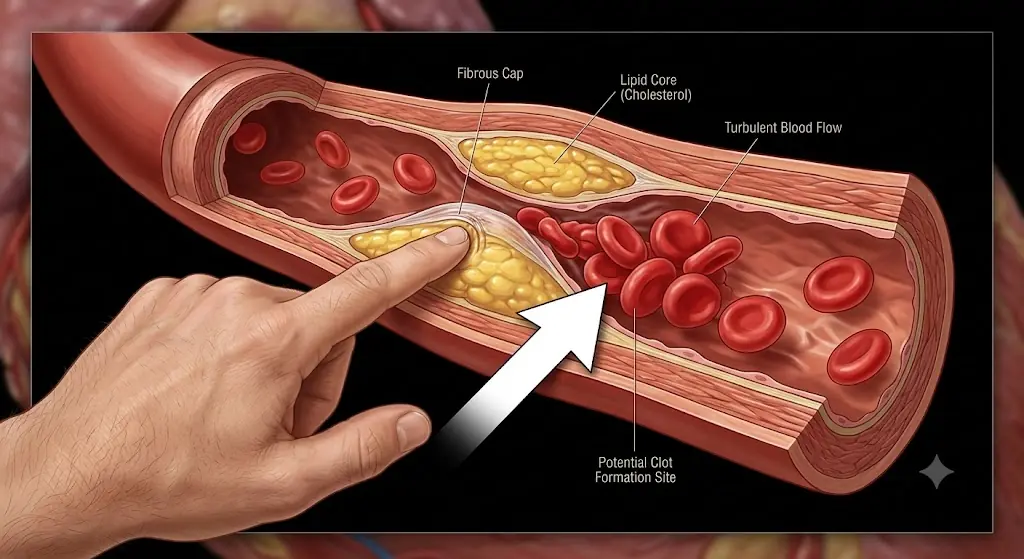
Research indicates that individuals with non-O blood types (A, B, and AB) generally face a slightly higher risk of developing heart disease and experiencing strokes compared to those with type O.
The Reason: People with blood types A, B, and AB tend to have higher levels of a blood-clotting protein called the Von Willebrand factor, which can increase the likelihood of blood clots and arterial blockages.
Some studies have found a correlation between blood type AB and an increased risk of cognitive impairment later in life.
The Reason: Type AB has been linked to higher levels of vascular issues, which can contribute to conditions like dementia.
Certain blood types appear to have a higher susceptibility to specific types of cancer:
Type A: Statistically associated with a slightly higher risk of gastric (stomach) cancer. This may be linked to a higher frequency of H. pylori infections (a bacterium that causes ulcers and can lead to cancer) in people with type A blood.
Types A, B, and AB: Have shown a marginally higher risk of pancreatic cancer compared to Type O.
Fertility: Some studies suggest that women with blood type O may have a lower ovarian reserve (fewer remaining eggs) compared to other blood types, though it does not necessarily mean infertility.
Preeclampsia: Pregnant women with AB blood type may have a higher risk of developing preeclampsia, a condition characterized by high blood pressure during pregnancy.
Type A: People with type A blood may naturally produce higher levels of cortisol, the body’s primary stress hormone. This means they might feel stress more intensely or take longer to recover from stressful situations.
Malaria Protection: People with type O blood have a significant natural defense against severe malaria, as the parasites find it harder to attach to type O red blood cells.
Longevity: Because type O is associated with a lower risk of cardiovascular diseases and certain cancers, some studies suggest that individuals with type O blood may have a slight advantage in terms of overall lifespan.
While your blood type can offer interesting clues about your genetic predispositions, it is not a definitive destiny. Lifestyle factors—such as maintaining a balanced diet, regular exercise, managing stress, and avoiding smoking—play a far more critical role in determining your overall health and longevity.


Your liver can be damaged for years before you feel seriously ill and these 14 symptoms are the early warnings most people never recognise

This powerful seed boosts circulation, eyes and sleep naturally