The Arsenal of Democracy in Crisis: Why the US Needs China to Rebuild Its Weapons Stockpiles
News 10/04/2026 23:50
The geopolitical landscape of the Middle East has reached a critical inflection point. Following the intense military exchanges in early 2026, the confrontation between the United States and the Islamic Republic of Iran has shifted from direct kinetic strikes to a fragile, high-stakes stalemate. While tensions remain at an all-time high, a deeper analysis reveals a sobering reality: neither Washington nor Tehran is positioned to sustain a full-scale, prolonged conflict.
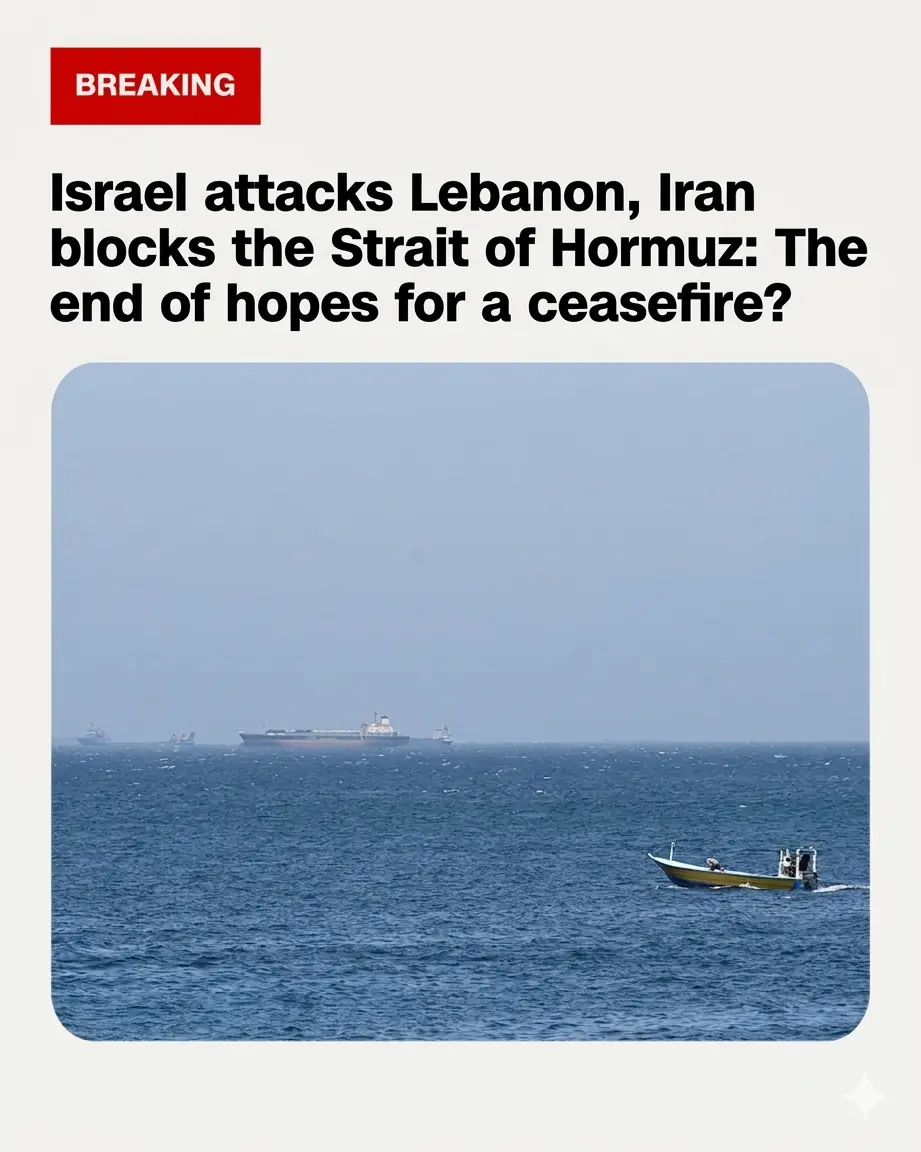
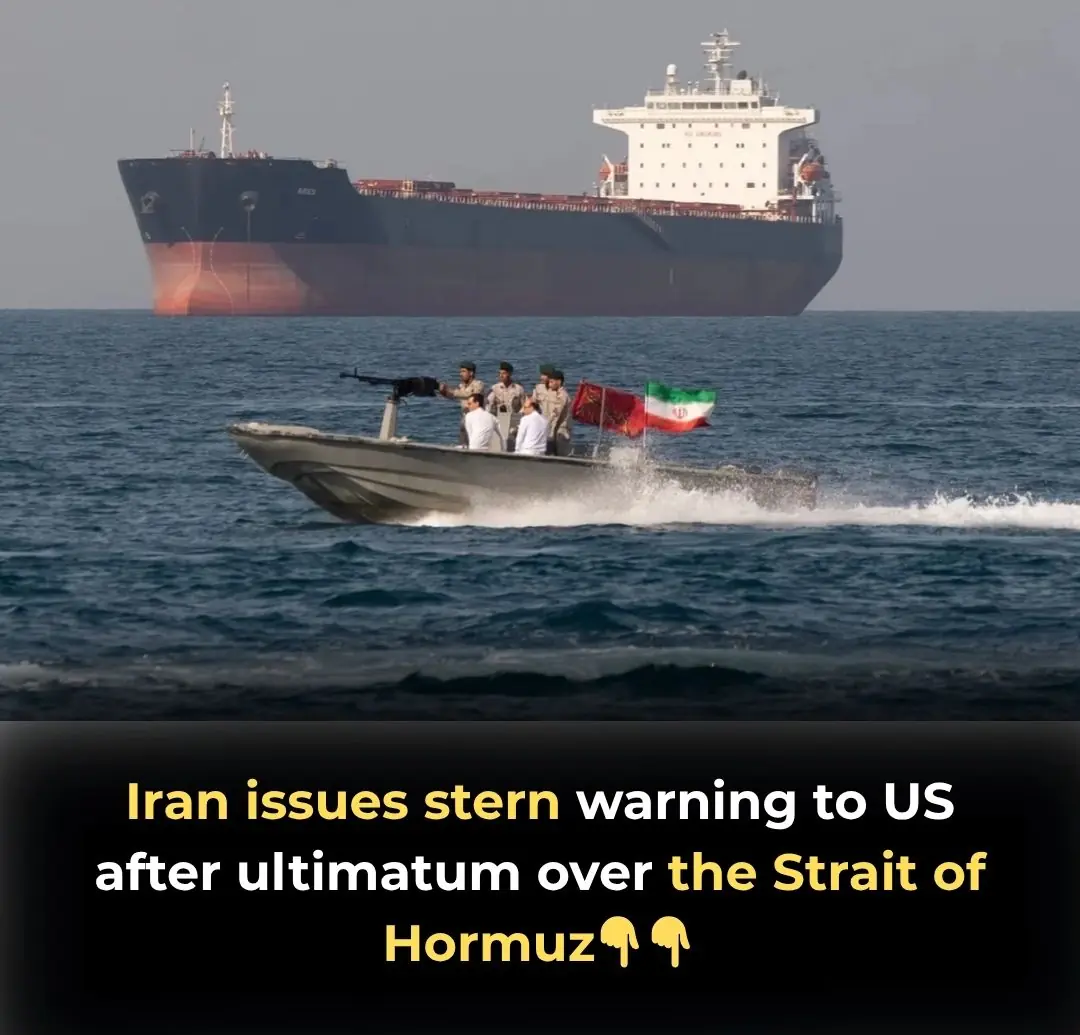
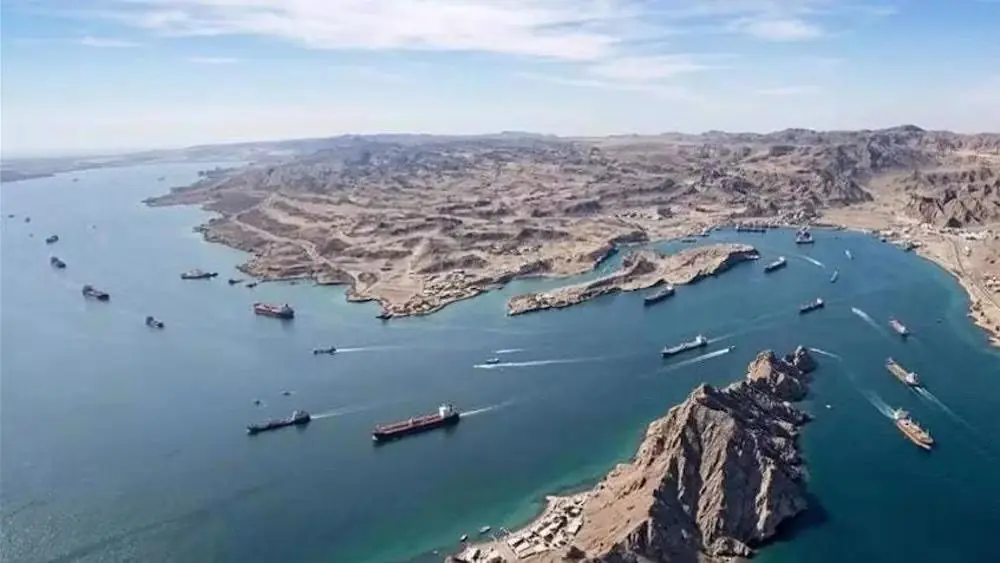
For decades, the United States has projected power in the Persian Gulf to ensure the "freedom of navigation." However, the 2026 conflict has exposed a significant gap in this strategy. Despite its overwhelming naval superiority, the U.S. has found it increasingly difficult to "hold the handle" of the situation in the Strait of Hormuz.
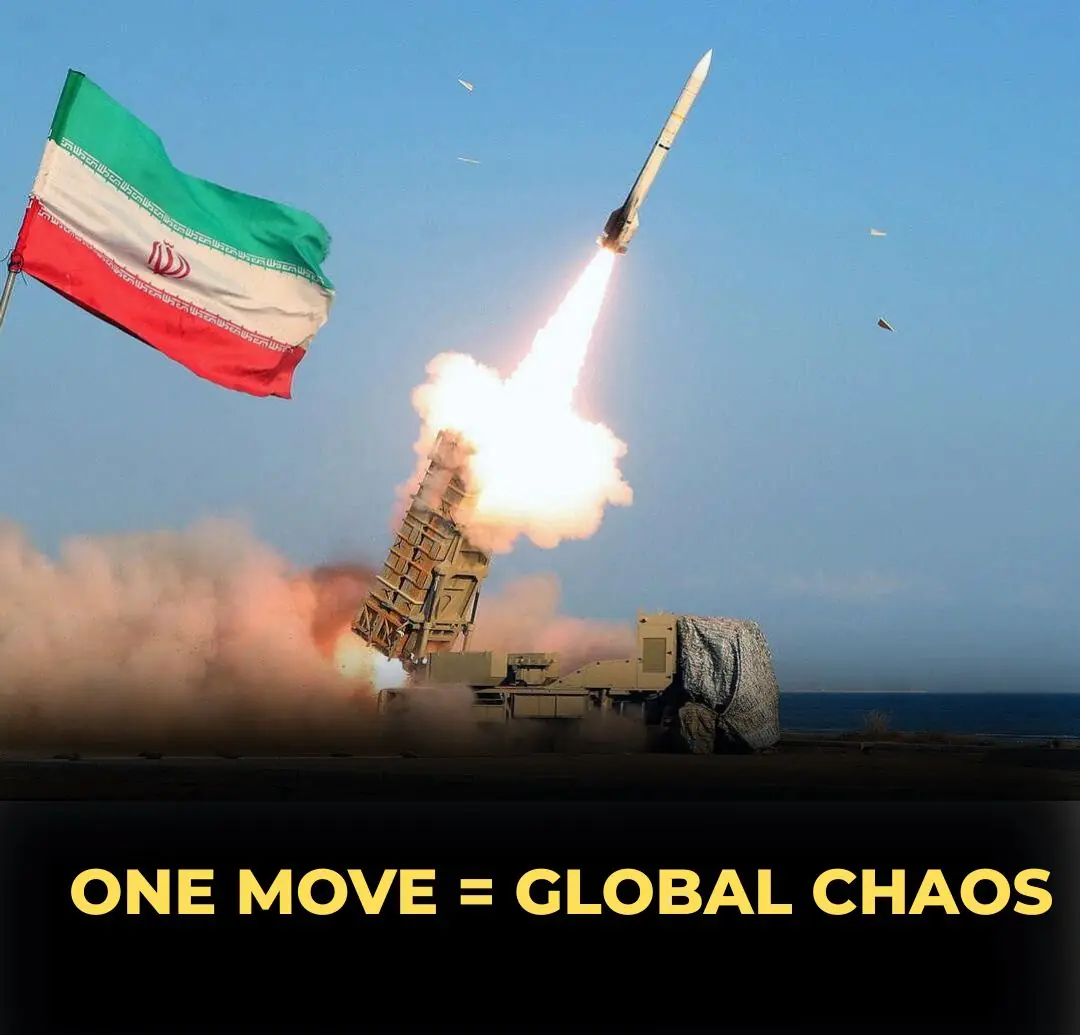
Asymmetric Vulnerability: Iran’s use of advanced drone swarms and anti-ship missiles has turned the narrow waterway into a "kill zone" where traditional carrier strike groups face unprecedented risks.
Economic Fallout: Any attempt by the U.S. to military force a total opening of the Strait risks a spike in global oil prices that could derail the domestic economy—a political "third pill" that Washington is reluctant to swallow.
The Limits of Victory: As analysts from Goldman Sachs and others have noted, while the U.S. can degrade Iran's conventional military, it cannot claim a definitive victory as long as Tehran maintains its asymmetric capability to disrupt global energy flows.
On the other side of the Gulf, Tehran views the current confrontation as an existential struggle for the survival of the Islamic Republic. Yet, despite its fierce rhetoric and retaliatory strikes, Iran faces severe limitations in its ability to drag out the war.
Internal Pressures: Years of "maximum pressure" sanctions, combined with internal social unrest, have left the Iranian economy fragile. A long-term war would drain remaining reserves and risk further domestic instability.
Strategic Attrition: While Iran’s "Axis of Resistance" remains active, the loss of key military infrastructure and leadership during the 2024-2025 strikes has weakened its conventional staying power.
The Search for Guarantees: For Iran, the goal of the conflict is often tactical—leveraging regional chaos to force the U.S. back to the negotiating table for sanctions relief and security guarantees.
The agreement on a two-week ceasefire in early April 2026, involving the U.S., Iran, and Israel, serves as a testament to the mutual exhaustion of all parties. The "Strait of Hormuz factor" remains the ultimate bargaining chip.
As long as Iran can threaten the world’s most vital oil chokepoint, the U.S. cannot simply "walk away." Conversely, as long as the U.S. maintains its economic and technological siege, Iran cannot find the stability it seeks.
The current situation is not a peace, but a pause. The global community remains on edge as the world's superpowers and regional players navigate this "gray zone" of conflict.
The primary takeaway from the 2026 Iran War is clear: in modern geopolitical warfare, the cost of "total victory" has become prohibitively high for everyone involved. The path forward will likely not be decided on the battlefield, but through a grueling process of asymmetric deterrence and back-channel diplomacy.