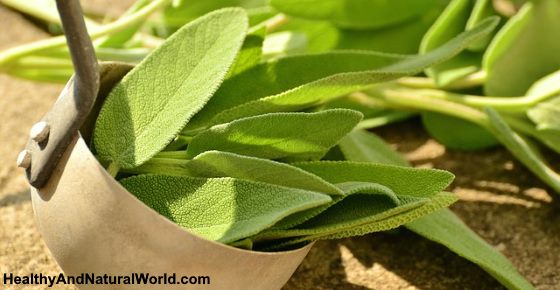
What Happens to Your Body When You Eat Sage? 7 Science-Backed Benefits
Sage (Salvia officinalis) has been valued for centuries as both a flavorful culinary herb and a traditional natural remedy. Native to the Mediterranean region, it is now enjoyed worldwide for its earthy aroma and impressive nutritional profile. The name Salvia comes from the Latin word meaning "to heal" or "to save," reflecting its long history in herbal medicine.
Modern research suggests that sage contains a wide range of plant compounds with antioxidant, anti-inflammatory, and antimicrobial properties. While many of its traditional uses are still being studied, scientific evidence indicates that sage may support brain function, metabolic health, and overall well-being.
Here are some of the most notable health benefits associated with sage.
1. May Support Memory and Cognitive Performance
One of the most widely studied benefits of sage is its potential to improve memory and mental performance.
Research has found that compounds naturally present in sage may help enhance attention, learning, and information recall. In several clinical studies, adults who consumed sage extract performed better on memory-related tasks than those given a placebo.
Scientists believe these effects may be linked to sage's ability to influence certain neurotransmitters involved in learning and cognitive function. Although more research is needed, early findings suggest that sage could play a supportive role in maintaining healthy brain function as people age.
2. Shows Promise for Supporting Brain Health
Researchers have also explored sage as a potential complementary approach for people experiencing age-related cognitive decline.
Some clinical trials involving individuals with mild to moderate Alzheimer's disease have reported improvements in memory, attention, and overall cognitive performance after several months of sage supplementation. Participants also experienced fewer behavioral symptoms such as restlessness and agitation.
Experts believe these effects may result from sage's natural compounds, which help protect the brain by influencing enzymes involved in nerve cell communication. Although sage is not a treatment for Alzheimer's disease, these findings highlight its potential as an area of ongoing scientific research.
3. Rich in Antioxidants and Anti-Inflammatory Compounds
Sage is packed with plant-based antioxidants that help protect cells from oxidative stress caused by free radicals.
Its leaves contain beneficial compounds such as rosmarinic acid, flavonoids, and phenolic acids, which have been shown to reduce inflammation and support the body's natural defense systems.
Because chronic inflammation is associated with many long-term health conditions, including heart disease and arthritis, adding antioxidant-rich herbs like sage to a balanced diet may contribute to better overall health.
Regular use of sage in cooking can be a simple way to increase your intake of these protective plant nutrients.

News in the same category


My nose keeps running nonstop indoors during winter and I am not sick at all. What is causing this?

DIY Turmeric & Ginger Shots to Fight Inflammation, Boost Immunity & Soothe Your Gut

Refrigerator Leaking Water and Not Cooling Properly? Here’s How to Fix It Yourself in Minutes

6 Clever Ways to Use Medicated Oil to Help Keep Mosquitoes Away

How to Drink Black Bean Water for Weight Management and a Healthier Body

8 Reasons Why a Man Won’t Touch You in Bed

Soak this 1 mixture on your toes and get rid of peeling foot fungus, yellow fungal nails, and bad persistent foot odor.

Place a Few Lemon Slices in Your Refrigerator: A Simple Trick With 4 Surprising Benefits

Boiling Pork the Right Way: Keep It White, Tender, and Odor-Free

Freezer Covered in Ice? Fix It Now Before Your Electricity Bill Soars

Put this 1 trick on your shoulders and get rid of crusty bumps, raised age spots, and waxy skin growths

Quick Sticky Rice Recipe: No Overnight Soaking Needed

Banana Peel Trick for Cockroaches: A Simple DIY Method Worth Trying

Why Adding Ice Cubes to Bone Broth Can Make a Difference: 4 Surprising Benefits

What Letting Your Gray Hair Grow Out Really Says About You

Surprising Uses for a Lemon Around the House

Delicious Celery Juice Recipes for Weight Loss and Healthy Skin

The series of leaves is 3 times the number of leaves, and the leaf is 3 times the size of the leaf.
News Post

What Do the Red and Yellow Dots on Tires Really Mean

Guava: A Nutrient-Packed Superfruit with Remarkable Health Benefits

Sleeping with Cats …The Biggest Health Risk

What the Lunch Lady Did to the Bananas

How a Husband’s Habits Can Affect His Wife’s Cervical Health

DIY Calming Lavender & Avocado Skin Balm: A Soothing Nighttime Ritual for Parents

My nose keeps running nonstop indoors during winter and I am not sick at all. What is causing this?

Proven Health Benefits of Dates (Dried, Fresh, Medjool) – Science Based

Natural Leaves That May Support Your Health: A Gentle Guide to Traditional Herbal Wellness

🌿 Cassava Leaves: Nutritional Benefits, Safe Preparation, and Traditional Uses for Everyday Wellness 💚

What Happens to Your Body When You Eat a Banana Before Bed? A Science-Based Look at This Simple Nighttime Habit

PART 2: I Came Home from a Business Trip Late at Night and Found My Son Washing Clothes by Hand in Complete Darkness. M1

Leg Cramps at Night: Causes, Prevention & Treatment

PART 2: I Came Home Early to Pick Up Confidential Files—and Found My Eight-Month Pregnant Wife on Her Knees, Crying as She Was Forced to Wash My Mother’s Feet. M1

PART 2: MY FAMILY LEFT ME OUT OF THANKSGIVING. MY MOM SAID, “YOUR SISTER WANTS HER BOYFRIEND TO HAVE A GOOD IMPRESSION. SHE THINKS YOU’D MAKE HER LOOK BAD. M1

Proven Health Benefits of Walnuts, How Many to Eat, and More (Science Based)

DIY Turmeric & Ginger Shots to Fight Inflammation, Boost Immunity & Soothe Your Gut

Eggplant 101: Proven Health Benefits and Nutrition Facts (Carbs, Calories, Protein, Fiber, Vitamins)