
The unexpected connection between morning blood flow and a stronger heart
Health 16/07/2026 23:16
Livedo Reticularis: When Skin Patterns Reveal More Than Meets the Eye
At first glance, it may look like nothing more than a curious cosmetic change—a faint, lace-like web spreading across the skin in shades of purple and blue. But this condition, known as livedo reticularis, is more than skin-deep. In some cases, it’s harmless and temporary; in others, it can be the earliest warning sign of a hidden illness.
What Exactly Is Livedo Reticularis?
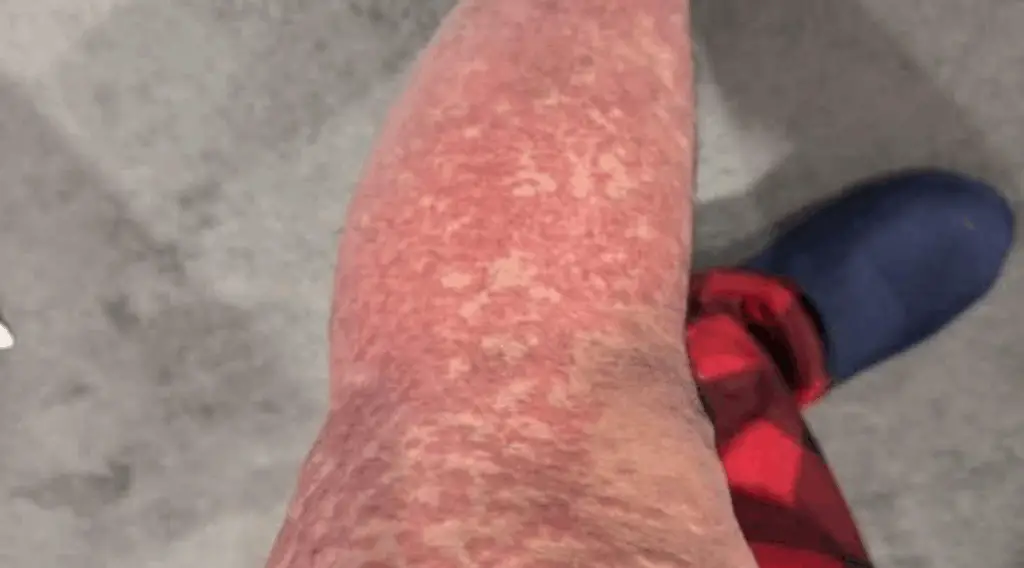
Livedo reticularis describes a net-like, reddish-purple discoloration of the skin, most often seen on the legs, arms, or torso. It develops when blood in the small vessels beneath the skin flows unevenly or pools, creating visible patches where oxygen supply is lower.
The pattern often becomes more pronounced in cold environments and may fade as the skin warms, which is why many people dismiss it as a quirk of circulation. Still, its presence can sometimes signal much deeper issues.
Types of Livedo Reticularis
Primary (Physiological) Livedo Reticularis
Typically harmless and triggered by cold temperatures.
Common in children, young adults, and individuals with fair skin.
Usually resolves once the body warms up.
Secondary (Pathological) Livedo Reticularis
Persists regardless of temperature.
Can point to serious medical conditions, including vascular diseases, autoimmune disorders, or clotting abnormalities.
Requires medical evaluation and sometimes ongoing management.
Possible Causes
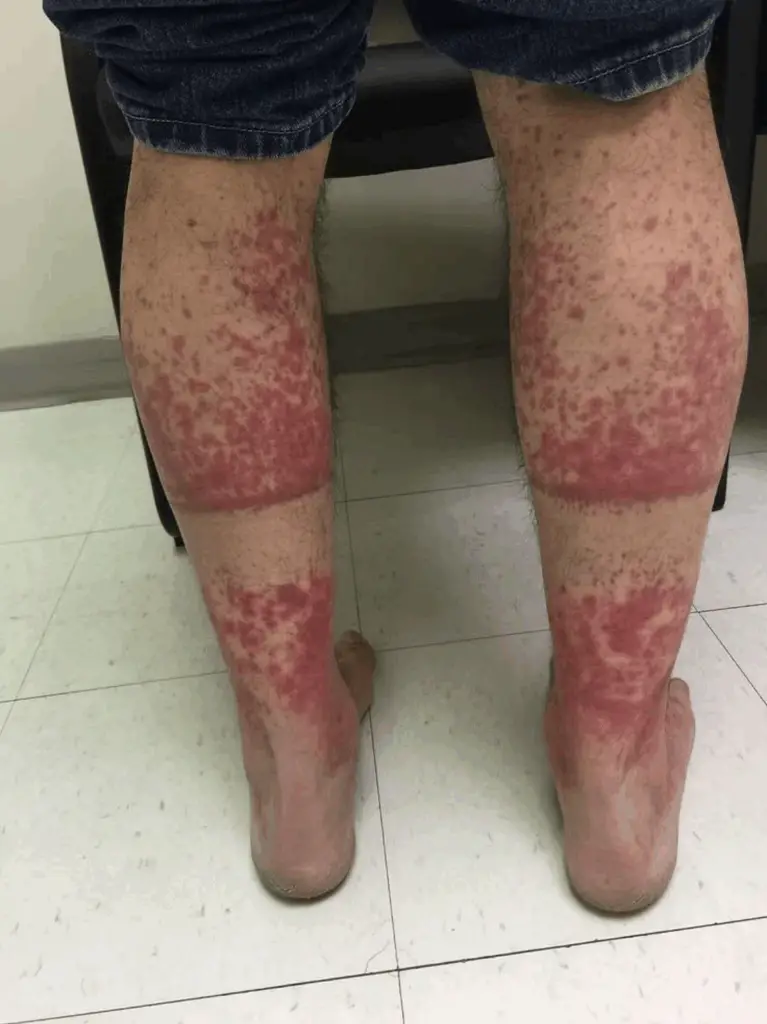
The causes of livedo reticularis vary widely:
Cold exposure: The most common and usually benign trigger.
Vascular diseases: Conditions like vasculitis or peripheral artery disease disrupt blood flow.
Autoimmune disorders: Lupus, rheumatoid arthritis, or antiphospholipid syndrome may present with skin changes.
Blood clotting disorders: Thrombophilia or other clotting abnormalities can alter circulation.
Medication side effects: Some drugs for Parkinson’s disease, high blood pressure, or other chronic conditions have been linked to livedo-like patterns.
In rarer cases, the condition has been tied to severe systemic illnesses such as Sneddon’s syndrome (a rare disorder linked with strokes), polyarteritis nodosa, or cholesterol embolization.
Recognizing the Symptoms
The hallmark sign is the mottled, web-like skin pattern. However, additional red flags may appear:
Persistent coldness or numbness in the affected area
Pain, cramping, or heaviness in the legs
Skin ulcers or sores in severe cases
Neurological symptoms like headaches, vision problems, or strokes in cases linked with systemic disease
Temporary discoloration that fades with warmth is usually harmless, but if the pattern lingers or worsens, it deserves medical attention.
How It’s Diagnosed
Doctors typically begin with a physical examination and a review of personal and family history.
Depending on symptoms, further tests may include:
Blood tests: To check for autoimmune markers, clotting abnormalities, or inflammation.
Skin biopsy: Rarely needed, but may reveal vascular inflammation.
Imaging studies: Ultrasound or other scans to assess circulation and vessel health.
Treatment Approaches
For Primary (Harmless) Livedo Reticularis
Usually no treatment is required.
Keeping warm and avoiding sudden cold exposure often resolves symptoms.
For Secondary (Underlying Condition) Livedo Reticularis
Treatment focuses on addressing the root cause.
Options may include:
Anticoagulants to prevent blood clots
Corticosteroids or immunosuppressants for autoimmune related cases
Circulation-improving medications when vascular issues are present
Lifestyle changes—such as quitting smoking, staying active, and controlling cholesterol or blood pressure—may also reduce risk.
When to See a Doctor
You should seek medical advice if:
The discoloration doesn’t fade with warmth
You develop pain, ulcers, or open sores
The mottling is paired with systemic symptoms like joint pain, fatigue, or neurological problems
Early intervention can be critical in identifying and managing serious underlying conditions.
Conclusion
While livedo reticularis can sometimes be little more than a harmless response to cold, it can also be your body’s way of signaling that something more serious is happening beneath the surface. Persistent or unexplained cases should never be ignored.
Recognizing the difference between temporary, benign changes and signs of systemic illness is essential. By paying attention to your skin—and seeking medical guidance when needed—you
can catch potential health problems early, when they’re most treatable.






Proven Health Benefits of Ground Flax Seeds and Flaxseed Meal






Proven Health Benefits of Ground Flax Seeds and Flaxseed Meal