
🚽 The Future of Toilet Paper: Eco-Friendly Alternatives That Could Change How We Clean Up
Tips 03/06/2026 21:20
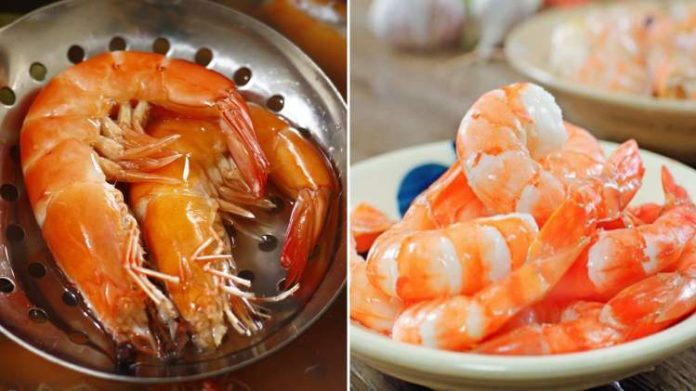
If you want a plate of boiled shrimp that looks beautiful, tastes naturally sweet, and doesn’t have any fishy odor, follow these simple yet effective tips.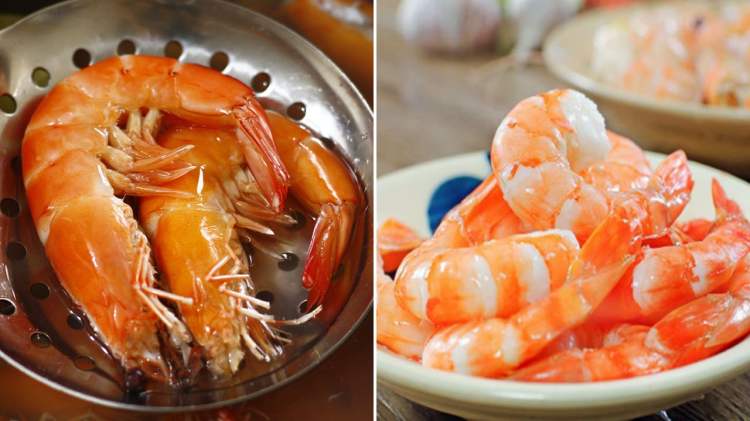
For boiled shrimp, the best choice is fresh, lively shrimp that are actively swimming. When buying:
Look for shrimp with transparent, shiny shells that feel firm to the touch.
The head should be firmly attached to the body, and the antennae intact. Legs and heads should not be blackened.
If purchasing frozen shrimp, always buy from reputable stores. Avoid shrimp with yellow shells or unusually hard shells, as these may have been treated with sodium bisulfite, a whitening agent used to remove dark spots.
Do not buy shrimp that emit any strange or off-putting odor.
Selecting fresh shrimp not only ensures better taste but also enhances the color and texture after cooking.
Once purchased, rinse the shrimp thoroughly under running water. Trim long antennae for convenience, and remove the black vein along the shrimp’s back.
There are several ways to remove the black vein:
Use a sharp toothpick to gently pierce along the back and pull the vein out.
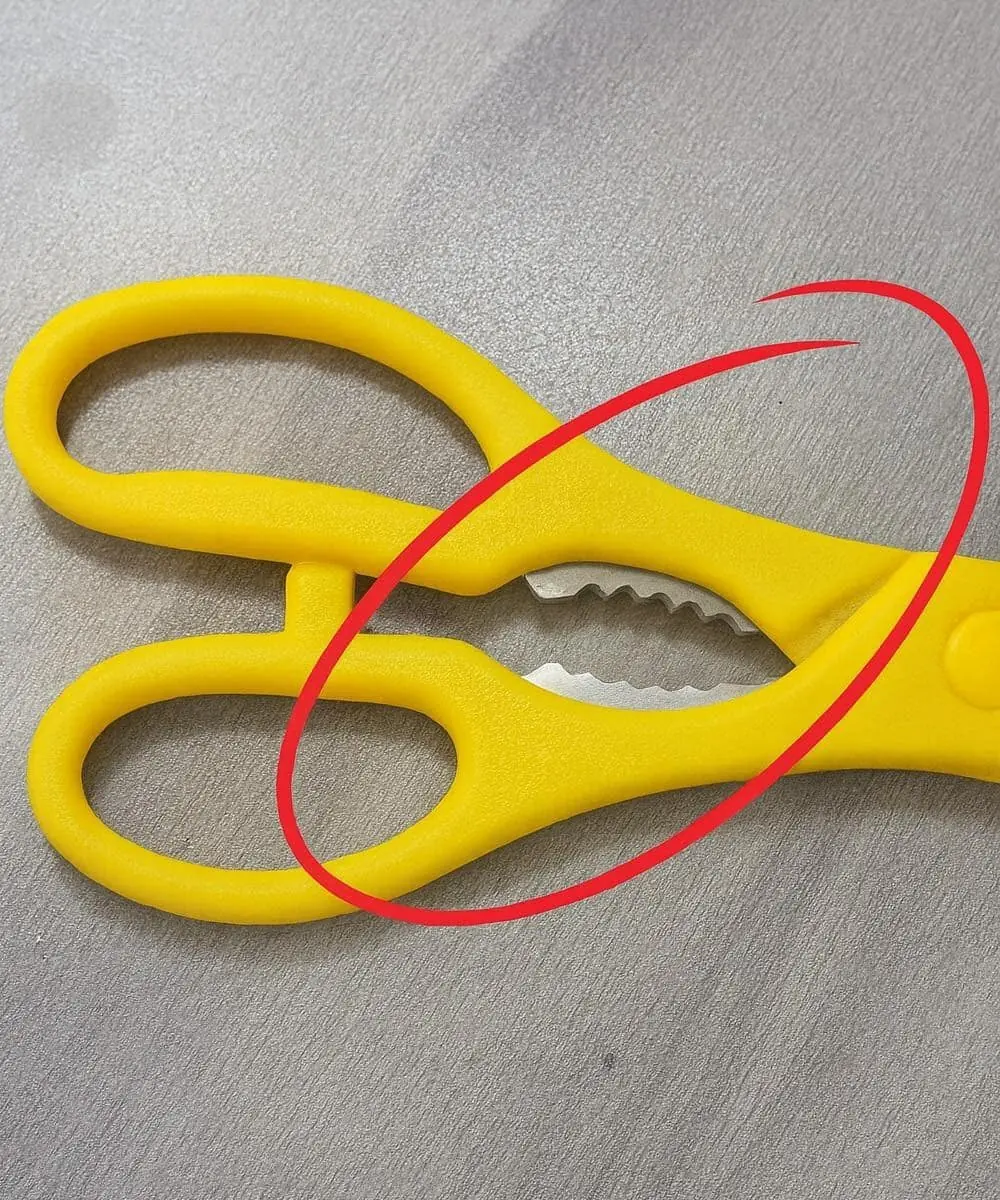
Alternatively, use scissors to make a small diagonal cut along the back and remove the vein.
After cleaning, marinate the shrimp in half a cup of white wine for a short time. This step helps eliminate any fishy smell and enhances the shrimp’s natural sweetness while giving it a vibrant red color when boiled.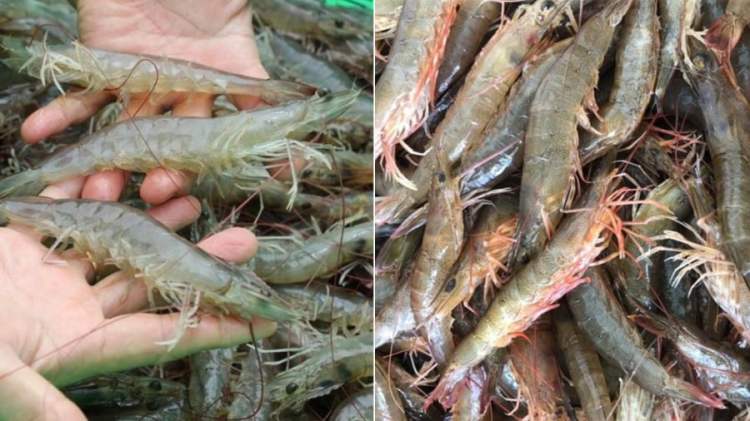
To avoid mushy or bland shrimp, it’s important to pay attention to seasoning, water temperature, and cooking time.
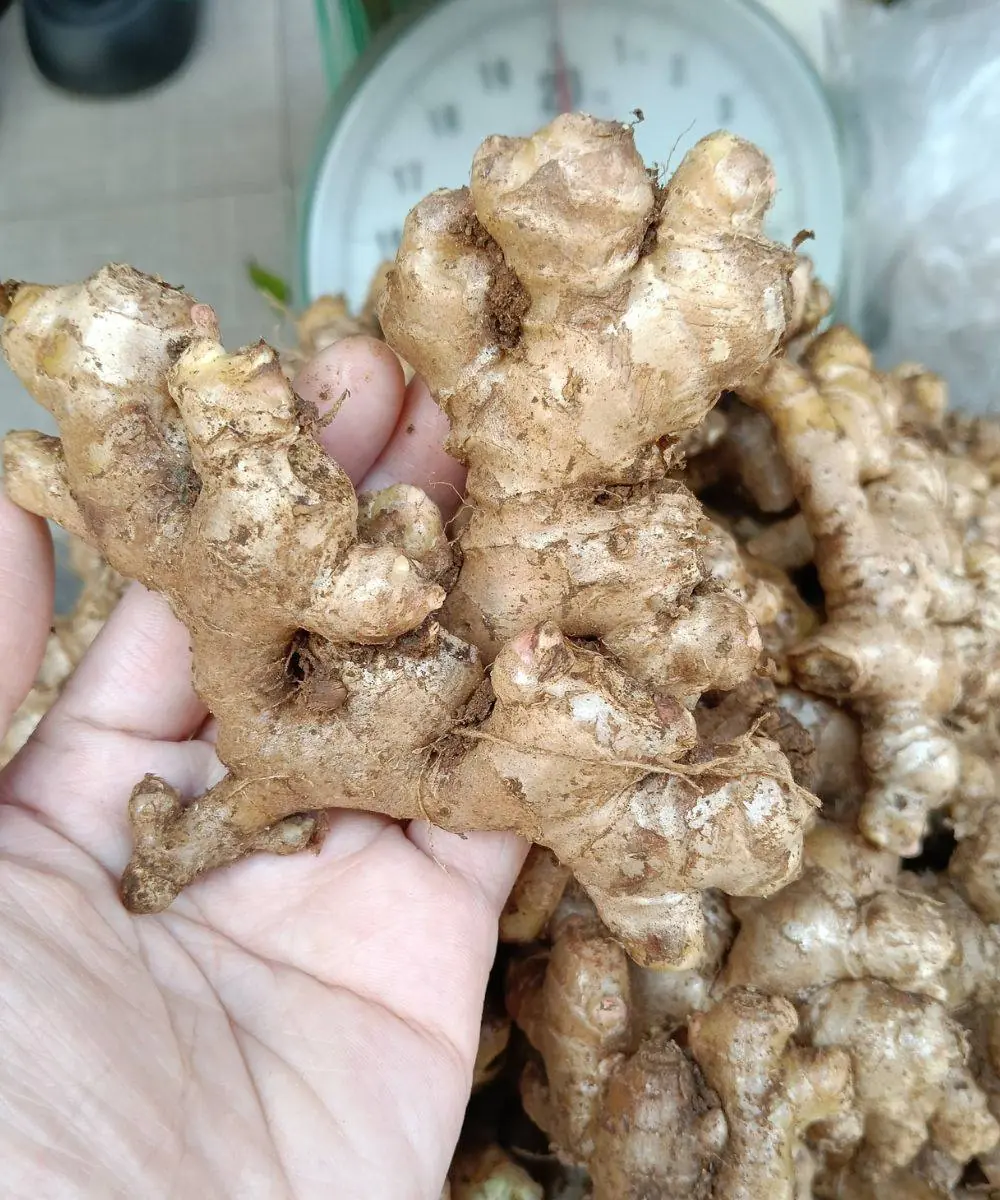
Add some crushed ginger and lemongrass to the boiling water. These aromatics help reduce any fishy smell while adding a subtle fragrance to the shrimp. A pinch of salt or seasoning powder can also enhance the shrimp’s natural flavor.
Instead of starting with cold water, boil shrimp in already hot water. Starting with cold water extends cooking time and can make shrimp lose flavor and become mushy. Using hot water ensures the shrimp cooks quickly, retains its natural sweetness, and helps eliminate fishy odor effectively.
Cooking time depends on the size of the shrimp. Signs that shrimp are perfectly cooked include:
The body starts to curl slightly, forming a half-circle shape.
The shell turns bright red.
Do not overcook: if shrimp curl fully into a tight circle, the meat becomes dry, tough, and loses its natural sweetness.
After boiling, remove the shrimp from the water and let them drain completely before serving. Do not place them directly on the plate while still in hot water, as this will make the shrimp soft and mushy.
If you plan to use shrimp in salads, spring rolls, noodle dishes, or cold appetizers, immediately soak the boiled shrimp in ice-cold water. This helps the shrimp firm up, makes peeling easier, and preserves a sweet, juicy texture.
For an even brighter red color, you can add a small pinch of baking soda or a few drops of lemon juice to the boiling water.
Boiled shrimp can be served hot or cold depending on the dish. Cold shrimp are perfect for summer salads and refreshing rolls, while hot shrimp are ideal for simple meals or dipping sauces.
Always handle shrimp gently to avoid breaking the shell or mashing the meat.
By following these tips, you can enjoy perfectly boiled shrimp that are sweet, tender, vibrant, and free of any fishy odor. A simple tweak in preparation and cooking can turn ordinary shrimp into a visually stunning and delicious dish for any occasion.

Found Red Wax on Your Door Lock


Key Tips for Traveling Safely and with Good Planning in 2026





















Sewing Bobbins: Can You Guess Their Original Purpose?

Why You Should Keep the Bathroom Light On in a Hotel