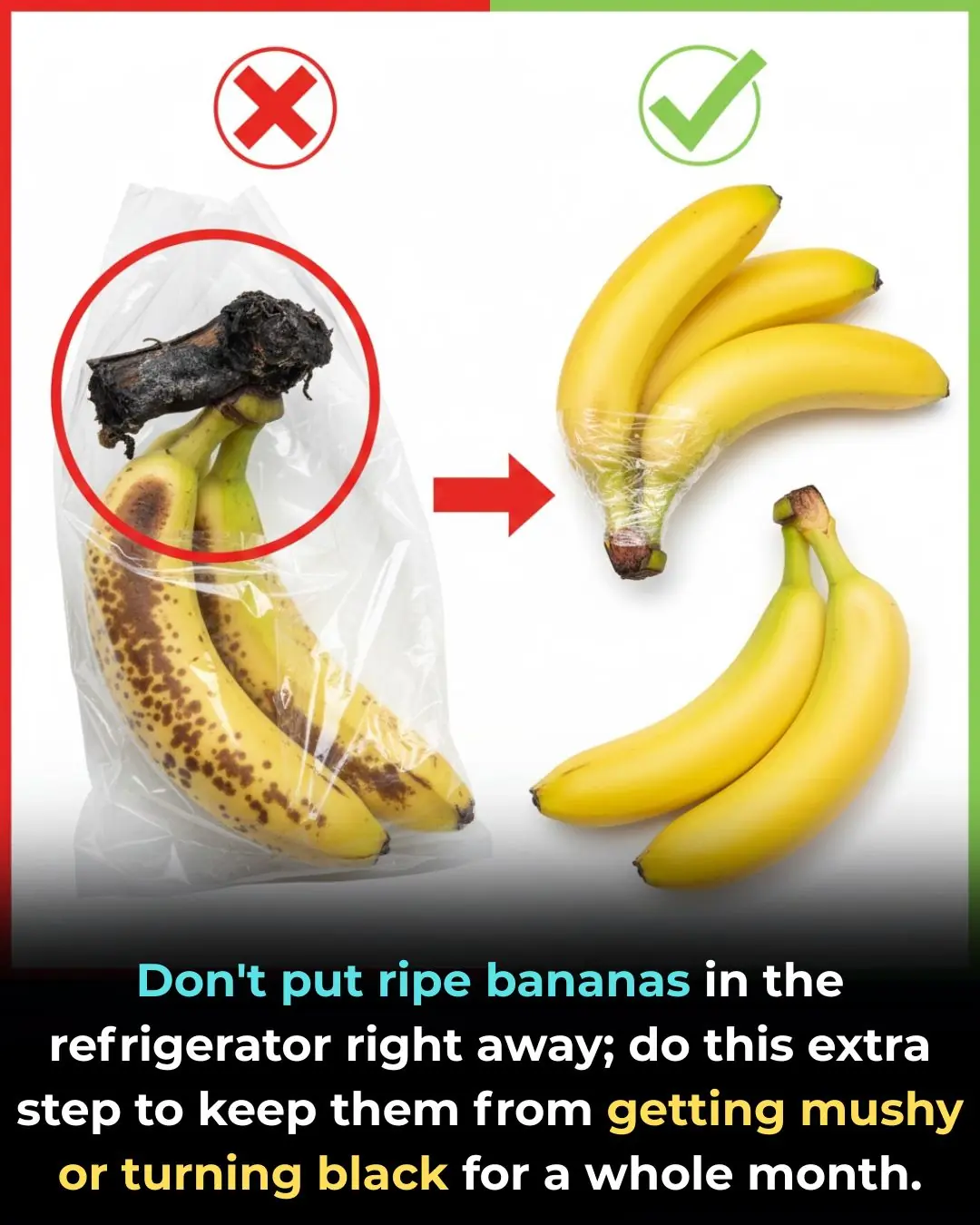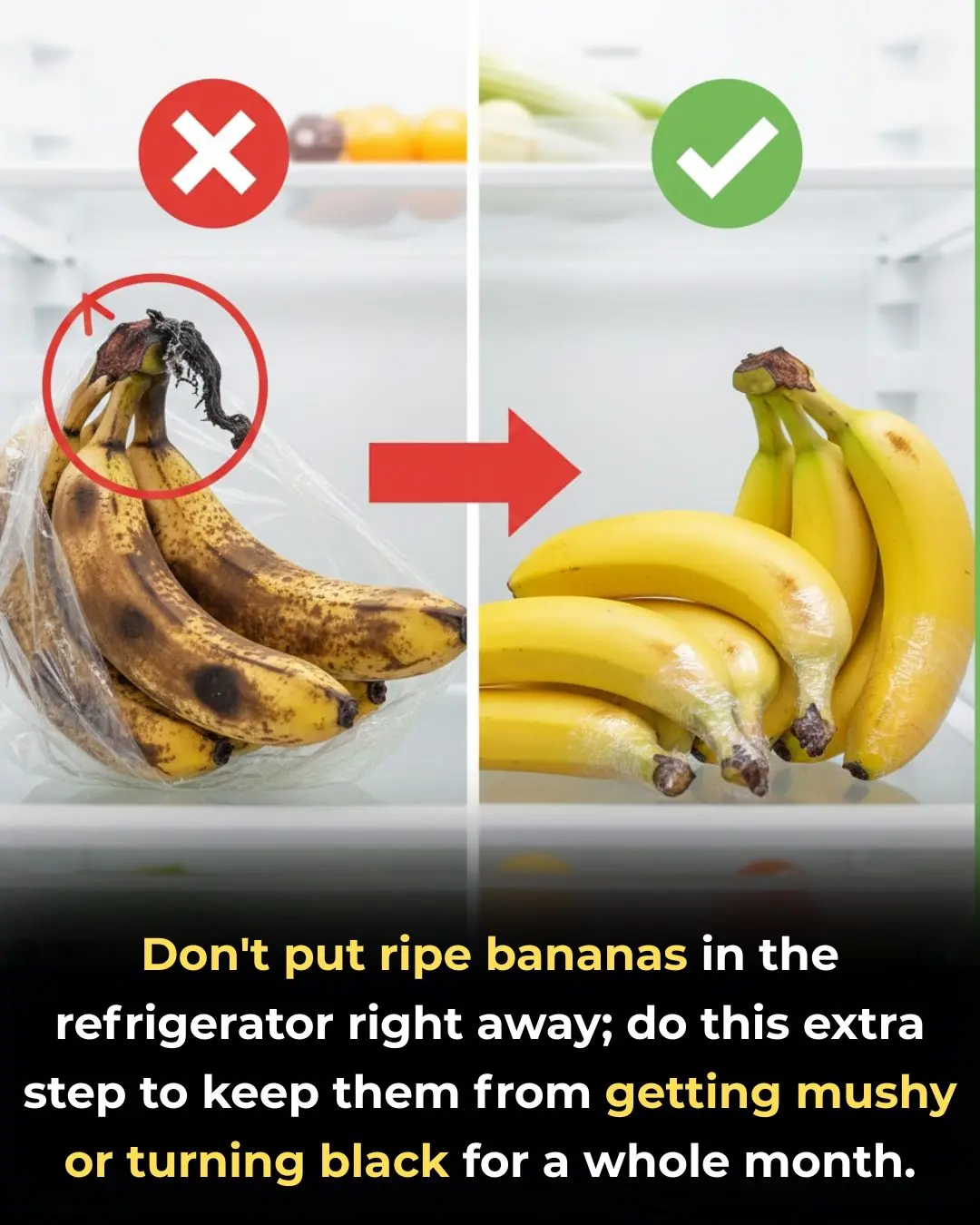
Don’t Put Ripe Bananas in the Refrigerator Right Away—Do This First to Keep Them Fresh Longer
Tips 11/01/2026 20:13

When fish is still wet, adding it directly to hot oil often causes oil splatter and makes the fish stick to the pan. In addition, fish meat is naturally soft and its skin is thin, so it can easily break apart when flipped. Another common mistake is frying the fish at the wrong temperature, when the oil is not hot enough to properly seal the surface.
Fortunately, all of these problems can be almost completely solved with one simple trick: giving the fish a thin outer “coat” before frying.
What to add when frying fish:
Flour or tapioca starch
Creates a thin protective layer that prevents the fish from sticking to the pan
When it hits hot oil, the flour sets quickly, helping the fish keep its shape
Produces a light, golden, crispy crust while keeping the inside tender and juicy
Significantly reduces the fishy smell during cooking
This simple step not only improves the appearance of the dish but also makes frying fish much easier, even for beginners.
Clean the fish thoroughly, removing the gills and internal organs
Rub lightly with salt or crushed ginger to eliminate any fishy odor
Rinse again and let the fish drain completely until very dry (this step is extremely important)
Dry fish ensures better browning and prevents dangerous oil splatter during frying.
Sprinkle a very thin layer of flour or tapioca starch on both sides of the fish
Do not coat it thickly; a light, even dusting is more than enough
Alternatively, you can mix the flour with a little water to form a thin slurry and brush it lightly onto the fish
The goal is to create a barely-there coating that protects the fish without overpowering its natural flavor.
Heat the oil thoroughly before adding the fish
Only place the fish in the pan when the oil is hot enough (test by dipping chopsticks into the oil—small bubbles should appear immediately)
Let the fish set and form a crust before flipping; do not turn it too early
Fry over medium heat to avoid burning the outside while the inside remains undercooked
Patience is key—resist the urge to flip the fish too soon.
Add a few thin slices of ginger to the oil before frying to further reduce fishy odors
If wheat flour is unavailable, tapioca starch or cornstarch works just as well
For fish with very thin skin, such as mackerel or scad, the flour coating should be especially light
Use a non-stick pan or well-seasoned pan for best results
Evenly golden on both sides
Lightly crispy skin that stays intact
Soft, moist fish meat that is fully cooked without drying out
No breaking apart, making the dish visually appealing and easy to serve
Just remember: when frying fish, don’t rely on oil alone—add a touch of flour. This familiar dish will instantly become more delicious, more attractive, and far easier to prepare. It’s a small kitchen trick, but one that’s absolutely worth applying to everyday family meals.