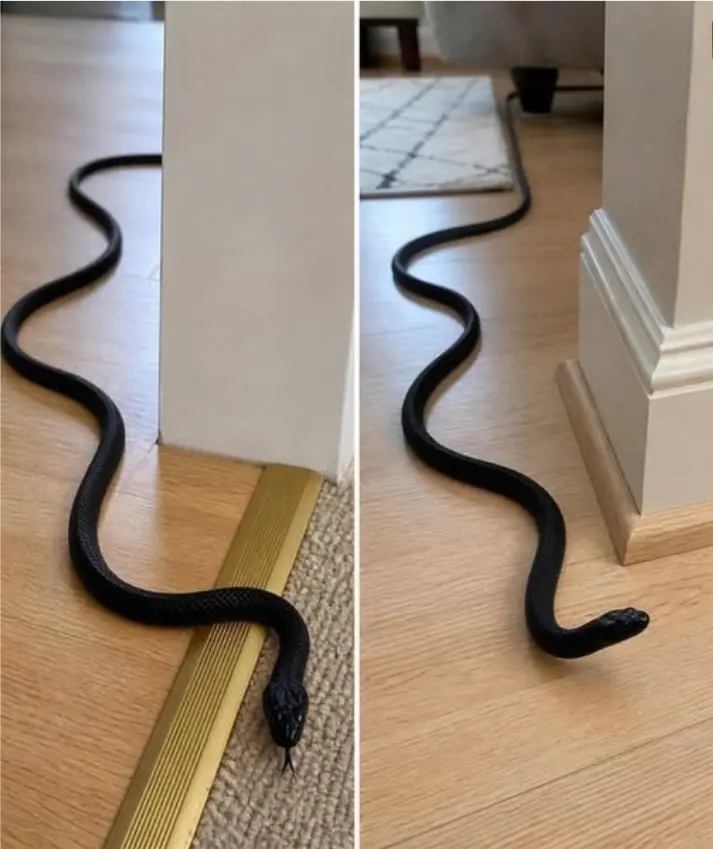
How many number 6 can you find in this picture?
Facts 30/05/2026 22:39
Cats are mysterious, fiercely independent, and often full of surprises — traits that make them endlessly fascinating companions. Yet, those same qualities can make it deeply distressing when a beloved feline suddenly disappears and doesn’t return.
While it may seem like your cat left without reason, most cases have understandable explanations rooted in instinct, behavior, or circumstance. Understanding why cats wander can help you protect them and reduce the chances of them getting lost for good.
Let’s explore the most common reasons why cats leave home — and what you can do to keep them safe.
At heart, even the most pampered housecat is still a curious little predator. The world outside is full of movement, sounds, and smells that spark a cat’s instincts. Birds fluttering in trees, insects buzzing, rustling leaves — all of these invite investigation.
Sometimes, that innocent exploration leads them farther from home than they intended. A distracted chase or unfamiliar path can quickly turn into confusion, especially if they cross into new territory.
Tip: If your cat enjoys outdoor time, ensure they wear a secure ID tag and are microchipped with up-to-date contact information. This simple precaution greatly increases your chances of being reunited if they stray too far.
For unneutered cats, the urge to find a mate is powerful and nearly impossible to resist. Males may roam far and wide following a scent trail, while females in heat might slip out seeking attention. This natural drive can lead even the most home-loving feline miles away.
Beyond the risk of getting lost, roaming for mates also exposes cats to injuries, fights, and diseases like FIV (feline immunodeficiency virus).
Tip: Spaying or neutering your cat helps prevent these dangerous wanderings and promotes calmer, more content behavior overall.
Cats are territorial animals, and neighborhood disputes can push them away. If another dominant cat or aggressive animal enters your cat’s space, your pet might feel intimidated and decide to leave in search of a safer area.
Even loud noises, unfamiliar visitors, or barking dogs can trigger this flight response.
Tip: Create a safe indoor sanctuary for your cat — a quiet space where they can retreat when feeling threatened. Provide cozy hiding spots, scratching posts, and toys to build comfort and confidence.
Although cats are known for their excellent homing instincts, they’re not infallible. A sudden fright — like a car horn, thunder, or a strange animal — can cause them to bolt in panic and lose their bearings.
Barriers such as busy roads, fences, or unfamiliar terrain can make returning home even more difficult.
Tip: Keep a collar tag with your phone number on your cat at all times, and alert local shelters or vets quickly if they go missing. The sooner you start searching, the higher the chances of recovery.
In some unfortunate cases, a missing cat hasn’t left by choice. They might have been injured, fallen ill, or gotten trapped somewhere — like a neighbor’s shed, under a deck, or inside a garage. Cats often hide when they’re in pain, making them harder to find.
Tip: Check every nook and cranny nearby, especially quiet or enclosed areas. Leave out familiar scents, such as your cat’s bedding or used litter, to help guide them back home.
Cats are creatures of habit. Major household changes — a move, a renovation, a new pet, or even a new baby — can trigger anxiety. When their environment feels unstable, some cats prefer to escape and look for a calmer place.
Tip: When introducing big changes, do so gradually. Maintain familiar routines for feeding and playtime, and ensure your cat always has access to a private, quiet area where they feel secure.
Sometimes, cats don’t wander off by accident — they find a second home. A kind neighbor might start feeding them, or they might discover a warm shed or porch where they feel comfortable. Over time, they may begin to split their time or fully relocate.
Tip: Talk to neighbors and kindly ask them not to feed your cat. Make sure your pet’s meals, affection, and stimulation needs are fully met at home so they’re less tempted to look elsewhere.
Strengthen your bond: Regular playtime, affection, and attention make your cat feel secure and attached to you.
Keep a routine: Cats thrive on consistency — same feeding times, same sleeping spaces, same love.
Supervise outdoor time: Consider using a cat harness or enclosed outdoor “catio” so your feline can safely enjoy fresh air.
Microchip and register: This one small step can make all the difference if your cat ever goes missing.
Losing a cat is heartbreaking — the uncertainty can be overwhelming. But remember, most cats that wander away aren’t rejecting their home or their humans. They’re simply following instincts, responding to fear, or seeking comfort.
By understanding these behaviors and taking proactive steps to make your home safe, familiar, and enriching, you can greatly reduce the chances of your furry friend ever straying too far.
A cat that feels secure, stimulated, and loved has far fewer reasons to wander — and every reason to stay close by your side. 🐾