12 Small Habits That Could Be Ruining Your Home
Tips 26/03/2026 15:24
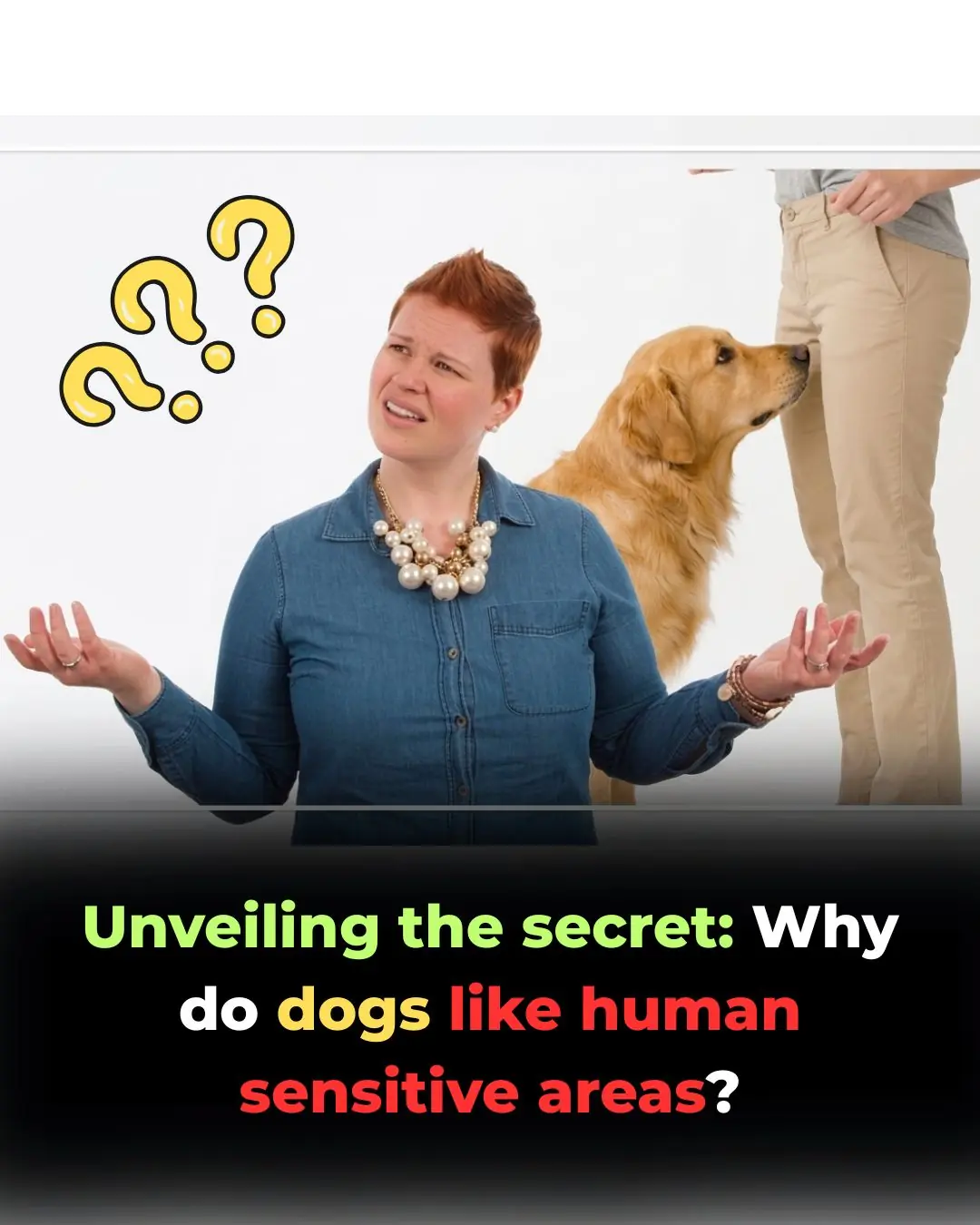
Dogs have a reputation for sniffing places that can feel… a bit awkward for humans—especially the groin area. While this behavior may be embarrassing in social situations, it’s actually completely natural from a biological and behavioral standpoint. Understanding why dogs do this can help owners manage it more effectively and respond with confidence instead of discomfort.
First, it’s important to know that dogs rely on their sense of smell far more than humans do. A dog’s nose contains up to 300 million olfactory receptors, compared to about 5–6 million in humans. This makes their sense of smell tens of thousands of times more sensitive than ours.
For dogs, scent is a primary way to gather information—similar to how humans use sight and speech. When a dog sniffs someone, it’s essentially “reading” a detailed profile about that person.
The reason dogs are drawn to the groin area specifically comes down to apocrine glands. These are specialized sweat glands found in areas like the armpits and groin. They release pheromones—chemical signals that carry information about a person’s identity, emotional state, and even biological factors.
Because the groin area is rich in these glands, it produces a stronger and more distinct scent. From a dog’s perspective, this is simply the most efficient place to gather information quickly.
When a dog sniffs this area, it’s not behaving inappropriately—it’s actually collecting data. Dogs can detect:
This is why dogs sometimes show more interest in certain people than others—they’re picking up on subtle chemical cues we don’t even realize we’re emitting.
Yes, this behavior is completely normal and instinctive for dogs. It’s not a sign of aggression, dominance, or bad intent. Puppies learn early on to use scent as a communication tool, especially when interacting with other dogs.
In canine social behavior, sniffing is equivalent to a greeting. Dogs often sniff each other in similar areas to exchange information. When they apply the same behavior to humans, it’s simply an extension of that instinct.
While natural, this behavior can become socially uncomfortable, especially with guests or in public settings. Jumping up or being overly persistent can also be seen as poor manners.
Signs that the behavior may need correction include:
In these cases, training and redirection are helpful.
You don’t need to punish your dog—instead, focus on positive reinforcement and redirection:
Commands like “sit” or “stay” can help control your dog when meeting new people.
Offer a toy or treat to shift focus away from sniffing behavior.
Reward your dog when they greet people calmly without jumping or excessive sniffing.
Consistent training from a young age helps prevent the habit from becoming ingrained.

In most cases, there’s no need to worry. This behavior is rooted in biology and communication, not anything inappropriate. However, if a dog suddenly becomes unusually fixated on a specific person or area, it may be worth paying attention, as dogs can sometimes detect changes in health.
Dogs sniffing human private areas may feel awkward, but it’s a perfectly normal behavior driven by their powerful sense of smell and natural curiosity. Rather than viewing it as bad behavior, it’s more accurate to see it as a form of communication.
With proper training and understanding, you can guide your dog to greet people in a more socially acceptable way—without suppressing their natural instincts.