
What Happens When You Start Using Baking Soda This Way? 10 Surprising Benefits
Health 24/06/2026 20:17
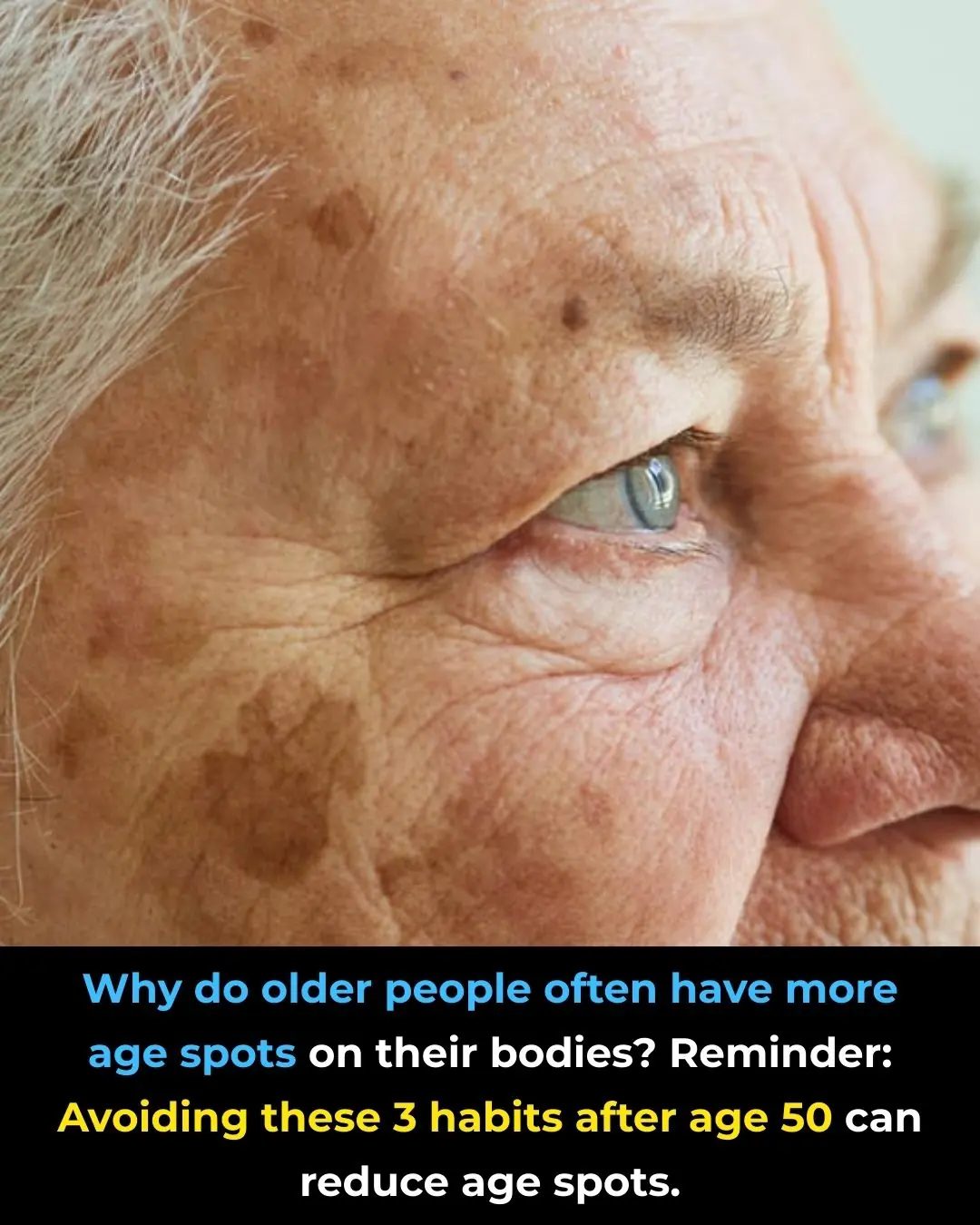
As the name suggests, age spots (also known as liver spots or senile spots) are patches that commonly appear on the skin of older adults. These spots are usually brown or dark in color and vary in size. Elderly individuals, especially those who spend a lot of time exposed to sunlight, often develop small brown pigmented spots on areas such as the face, hands, and arms. These are typical age spots.
Age spots tend to accumulate on the surface of the skin due to a slowing of cellular metabolism as the body ages. At the same time, pigment particles gradually build up inside skin cells. In essence, age spots are unevenly distributed pigmented patches that commonly appear on the bodies of older people.
Beyond affecting physical appearance, these spots can also place a psychological burden on the elderly, impacting self-confidence and emotional well-being.
The main causes include the following:
Exposure to sunlight stimulates the skin to produce large amounts of melanin, which can worsen pigmentation. This is particularly evident during the summer months. Prolonged or frequent exposure to UV rays is one of the primary causes of age spots.
People who regularly work outdoors or are often exposed to sunlight may develop dark patches or pigmentation on their skin. Effective prevention and treatment involve reducing long-term UV exposure, adjusting work conditions if possible, and using sun protection measures such as umbrellas and sunscreen.
The endocrine (hormonal) system plays a crucial role in overall health. In daily life, factors such as chronic stress, lack of physical activity, irregular routines, and staying up late can disrupt hormonal balance.
When hormonal regulation is impaired, excessive pigment may accumulate in the skin, leading to the formation of dark spots and uneven skin tone. Older adults who frequently stay up late are particularly prone to severe hormonal imbalances, which can accelerate skin aging.
As people age, the body’s metabolic rate naturally declines. This slowdown makes it more difficult for the body to eliminate waste products and excess pigments.
Additionally, an imbalanced diet in older adults may contribute to the accumulation of brownish deposits in the deeper layers of the skin, eventually forming age spots.
Regardless of age, protecting the skin from sunlight is essential. Failing to use sunscreen regularly can lead to sunburn, premature aging, and increased pigmentation.
Consistent daily sun protection—whether using chemical or physical sunscreen—can help shield the skin from UV damage and delay the appearance of age spots.
With the rapid development of technology, electronic devices have become a constant presence in daily life, even among older adults. However, prolonged use of devices such as smartphones and computers may accelerate skin aging due to radiation exposure and prolonged screen time.
In addition, dry indoor environments—especially air-conditioned rooms—can cause skin dryness, which increases the likelihood of breakouts and skin irritation. Elderly individuals who spend long periods using electronic devices should take appropriate anti-radiation and skin hydration measures to help reduce the formation of age spots.
Chronic sleep deprivation can disrupt hormonal balance and immune function, directly or indirectly affecting melanocyte (pigment cell) activity in the skin. This can lead to abnormal increases in pigment production.
Older adults should adopt healthy sleep habits, such as:
Maintaining a dark and quiet sleeping environment
Going to bed at a consistent time
Avoiding stimulants before sleep
Soaking feet in warm water
Engaging in moderate, regular exercise
These measures can help improve sleep quality and support healthier skin aging.