Why Sleep Paralysis Happens — And What You Can Do About It
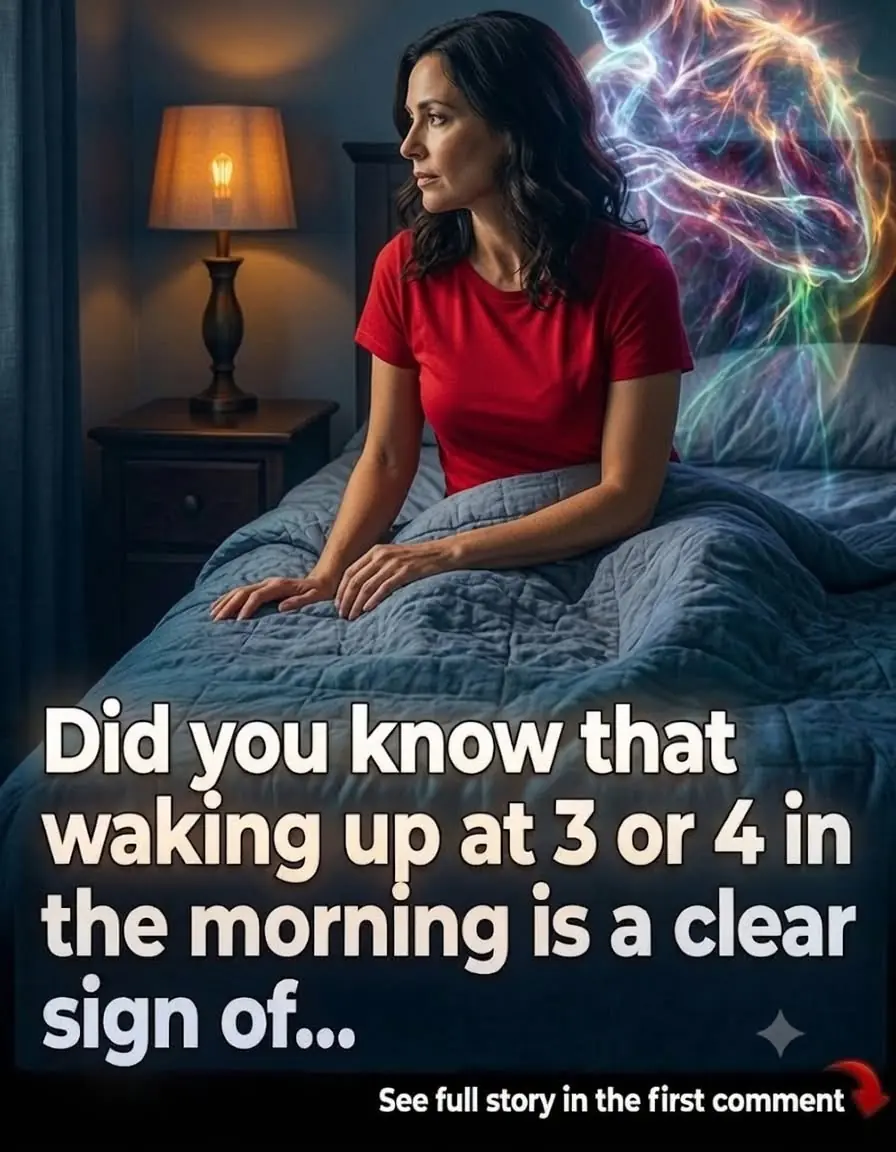
Have you ever woken up unable to move or speak? Have you ever felt a negative energy in your room with no explanation? You might have experienced sleep paralysis.
What is Sleep Paralysis?
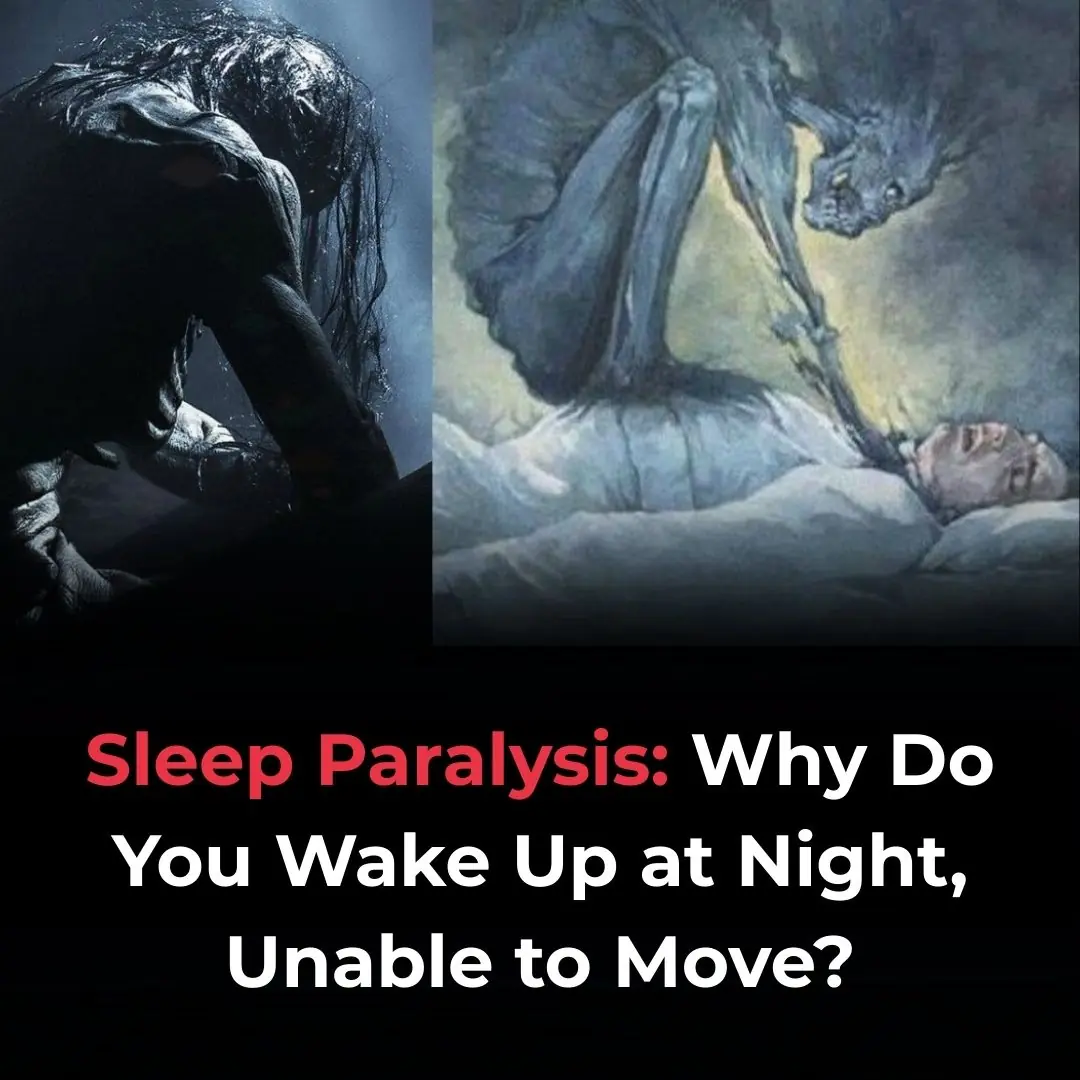
Sleep paralysis is the temporary inability to control your body’s movements or speech while you’re between sleeping and wakefulness. The frightening sensation usually lasts only seconds to minutes, and is sometimes accompanied by the sense that there is an ominous presence nearby. Some people experience a heaviness on their chest, have hallucinations, or are unable to open their eyes during sleep paralysis (though many people do have eye control).
Sleep paralysis is not usually a frequent occurrence, but you should seek medical attention if you:
- experience sleep paralysis regularly
- can’t fall asleep because of anxiety or fear about sleep paralysis
- show the symptoms of narcolepsy, including chronic fatigue, falling asleep during the day, and temporary loss of muscle control

Watch: Real People Share Their Creepy Sleep Paralysis Nightmares
What Causes Sleep Paralysis?
Sleep paralysis happens during the process of waking up, or less commonly, falling asleep. It is caused by REM cycles overlapping with wakefulness.
Usually, your sleep follows this rough pattern:
Stage 1: The first stage of sleep is what you might call “nodding off”. Your brain takes approximately 7 minutes to go from actively awake to an early stage of sleep. During this stage, noises or movements can easily interrupt your sleep.
Stage 2: Your brain takes about 20-30 minutes to approach a deep sleep. You don’t usually experience dreams in this stage.
Stage 3: You’re sleeping deeply, and (apart from people who talk in their sleep), you don’t usually stir in this stage. You experience rapid eye movements (REM) and dream in this stage. Over the course of the average night, your brain cycles between stages 2 and 3, with longer periods of REM towards the tail end of the night.
Read More: Why an Interrupted Sleep Cycle Could Be Making You Feel Tired
When someone experiences sleep paralysis, however, their brain enters stage 2 and even stage 1 while still experiencing REM sleep.
What are the Risk Factors of Sleep Paralysis
Sleep paralysis is most common among teens and young adults, however other risk factors can make the experience more likely.
- Sleep disorders like narcolepsy
- Disrupted sleep-wake cycle
- Sleeping on back
- Genetics
- Emotional trauma
- Depression
- Panic disorders
How to Prevent Sleep Paralysis
In some cases, doctors prescribe anti-depressants that alter sleep cycles, however most cases of sleep paralysis can be improved with small adjustments to your routine.
- Ensure you’re reaching your recommended sleeping time.
- Avoid screen time before bed. Keep your sleeping environment dark and quiet.
- Keep your bedtime and wake-up time the same every day (yes, even on weekends).
- Exercise regularly, but not within 4 hours of going to sleep.
- Avoid caffeine and large meals in the evening.
Tips for Getting Out of Sleep Paralysis
While sleep paralysis won’t last long, it can still be a scary experience. Some people who suffer from sleep paralysis recommend these tricks for cutting the experience short while it’s happening.
- Try to focus on exactly where the back of your head meets your pillow. Concentrating on this real physical sensation can help anchor you to the real world and pull you out of your dream.
- If you can, try breathing irregularly (such as taking two breaths out, one breath in, etc.).
- Don’t try to talk. It can make the experience scarier when you’re unable to. Instead, try tensing up various muscle groups.
- Try practicing lucid dreaming. Being able to control your dreams can help you stop the unwanted hallucinations.
- Just remember that this is a dream. As scary as it can be, it will pass.
News in the same category


The Hidden Kitchen Herb That May Naturally Support Eye Health

The Hidden Kitchen Herb That May Naturally Support Eye Health

The Easiest Way to Make Avocado Oil at Home (Simple & Natural!)

Why Ear Hair Appears as We Age

8-Year-Old Suffers Severe Kidney Damage: The Everyday Drink Parents Should Watch Carefully

Here are the consequences of sleeping with… See more

If You Keep Waking Up at 3 or 4 A.M., Don't Ignore These Possible Reasons

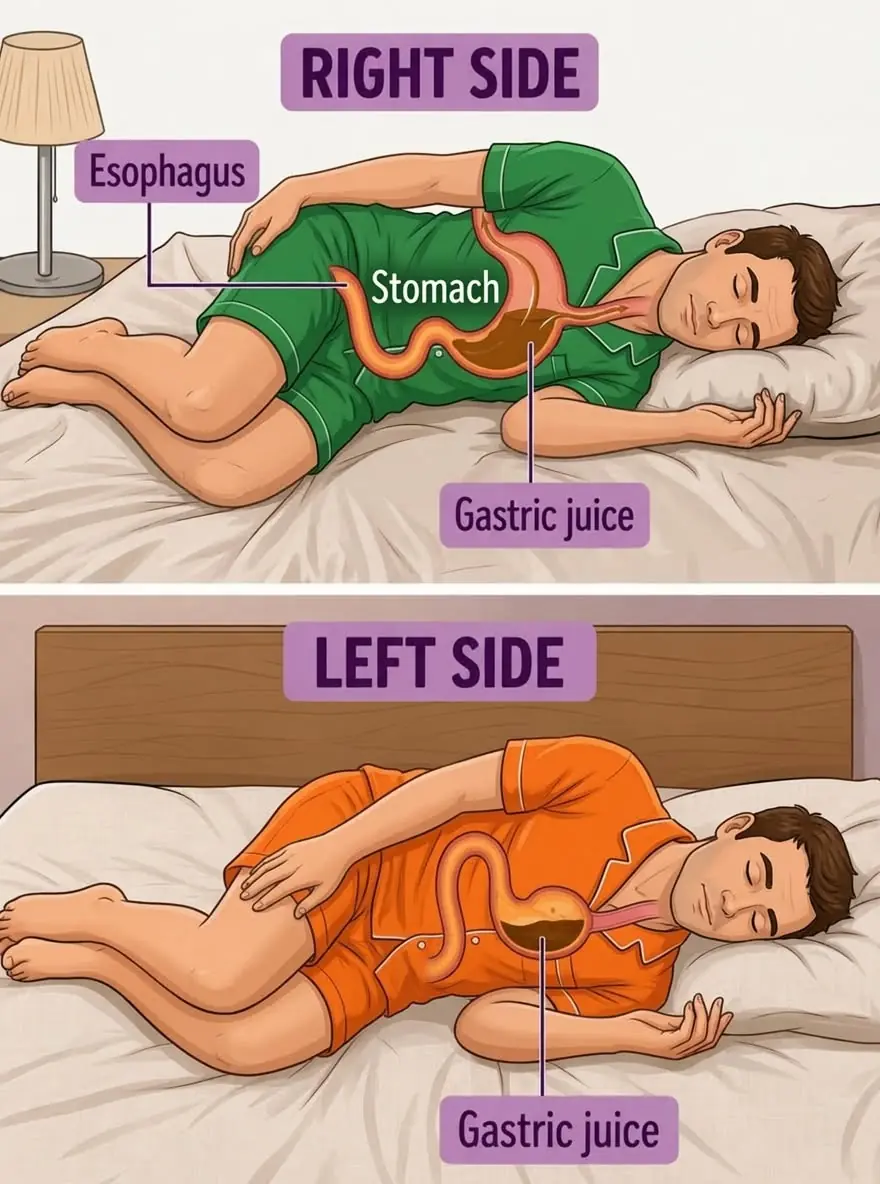
What Doctors Want You to Know About Sleeping on Your Right Side

3 seemingly har.mless daily habits that had been silently damaging his health for years

Here’s how one small adjustment could transform your health

👉 Don't Ignore This "Weed": Why Purslane May Surprise Your Diet

The Science-Backed Benefits of Elderberry (Plus the Easy Syrup Recipe Everyone’s Using)

Proven Health Benefits of Cilantro (Coriander): Detox from Heavy Metals, Diabetes and More

Cashew Nuts: Are They Good For You, Nutrition Facts, Benefits and More (Research Based)

Proven Health Benefits of Sage (Science Based)

The Impressive Health Benefits of Guava Fruit and Leaves & How to Eat Guava (Evidence Based)

Ginger Power: 4 Ginger Recipes You Can Try – Plants Lif

Bananas, Garlic, and Dates: The Powerful Health Combo You Didn’t Know You Needed

Papaya Seeds: A Simple Home Remedy to Support Joint Comfort and Daily Mobility
News Post

My Mom Couldn’t Walk—Until This Eggshell Trick Changed Everything 🥚✨

The Hidden Kitchen Herb That May Naturally Support Eye Health

The Hidden Kitchen Herb That May Naturally Support Eye Health

The Easiest Way to Make Avocado Oil at Home (Simple & Natural!)

8 Reasons Why a Man Won’t Touch You in Bed

Why Ear Hair Appears as We Age

8-Year-Old Suffers Severe Kidney Damage: The Everyday Drink Parents Should Watch Carefully

Here are the consequences of sleeping with… See more

If You Keep Waking Up at 3 or 4 A.M., Don't Ignore These Possible Reasons

What Doctors Want You to Know About Sleeping on Your Right Side

3 seemingly har.mless daily habits that had been silently damaging his health for years

Here’s how one small adjustment could transform your health

Banana Blossom: A Traditional Superfood That May Support Healthy Blood Sugar, Blood Pressure, and Digestive Wellness

👉 Don't Ignore This "Weed": Why Purslane May Surprise Your Diet

🌸 17 Papaya Flower Benefits for Natural Wellness: Nutrition, Traditional Uses & Easy Ways to Enjoy It

The Science-Backed Benefits of Elderberry (Plus the Easy Syrup Recipe Everyone’s Using)

Soak this 1 mixture on your toes and get rid of peeling foot fungus, yellow fungal nails, and bad persistent foot odor.

🌿 Baking Soda for the Face: Benefits, Risks, and How to Use It Safely

🧄🍯 14 Benefits of Garlic and Honey: A Traditional Natural Blend for Everyday Wellness