Mexico Ends Marine Animal Shows and Sparks a Health Centered Conservation Shift
News 07/01/2026 10:38
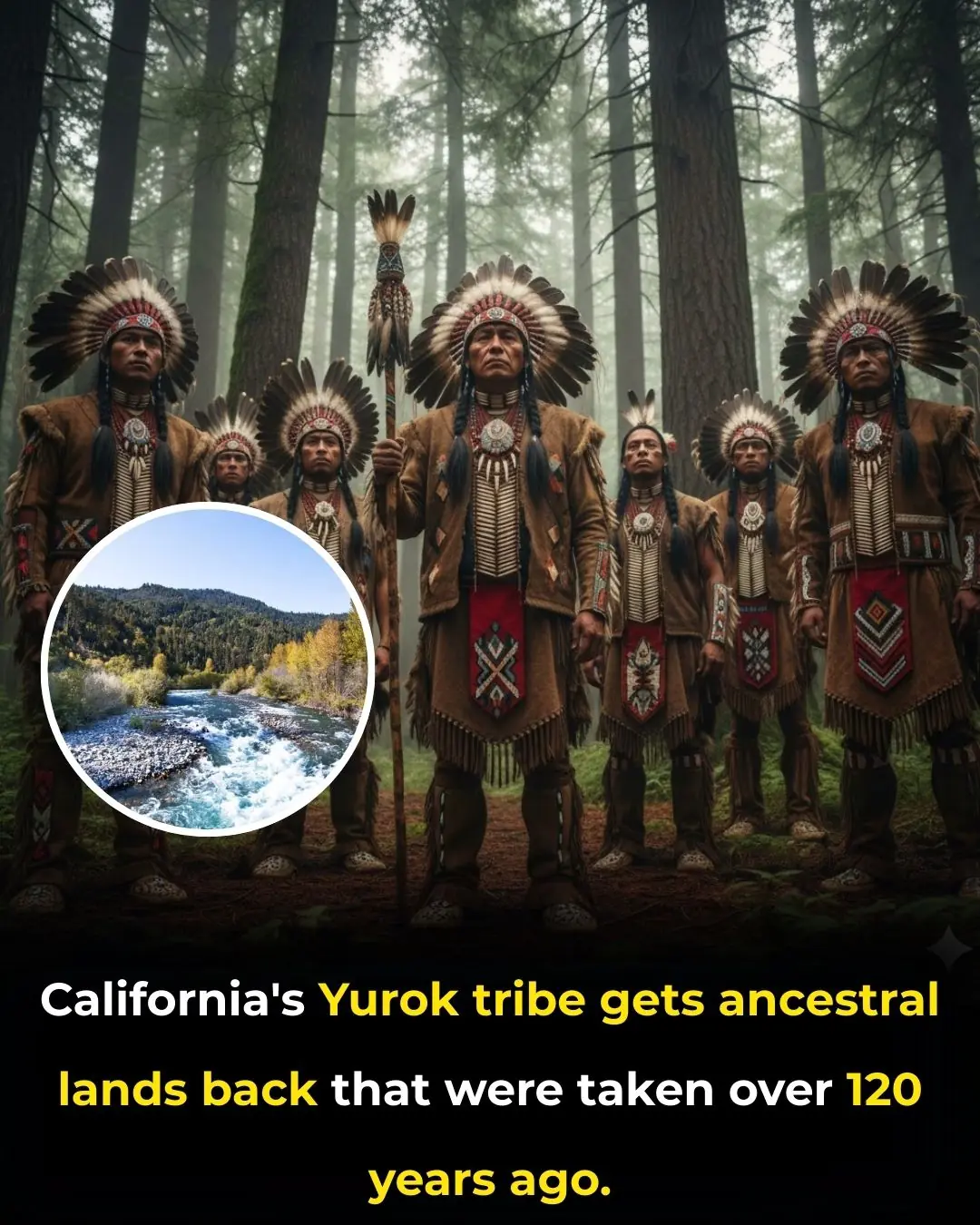
The Yurok Tribe in Northern California has achieved a historic and long-awaited victory by reclaiming a vast portion of its ancestral homeland more than 120 years after it was taken away. The land, located around Blue Creek in northwestern California, holds deep cultural, spiritual, and ecological significance for the tribe. For countless generations, Yurok ancestors relied on this area for fishing, hunting, and gathering before it was seized by timber companies during the late 19th and early 20th centuries.
According to NBC Bay Area, the reclaimed territory includes lands surrounding Blue Creek, a pristine tributary of the Klamath River that is considered sacred by the Yurok people. The creek plays a crucial role in sustaining salmon populations, which are central not only to the tribe’s diet but also to its cultural identity, ceremonies, and traditional knowledge systems.
In May 2025, more than 47,000 acres of land along the Klamath River were formally returned to the Yurok Tribe, marking one of the most significant land restoration efforts involving Indigenous communities in U.S. history. U.S. News reported that the land area is roughly the size of Washington, D.C., and includes ancient redwood forests, culturally important sites, and cold-water streams essential for the survival of salmon and steelhead trout. Sky News further noted that the transfer covers approximately 73 square miles, making it the largest land-back deal ever completed in California.
The return of this land carries profound historical meaning. During the California Gold Rush, the Yurok Tribe lost nearly 90 percent of its ancestral territory, facing violent massacres, forced displacement, and devastating disease outbreaks. According to historians cited by The Guardian, these losses nearly erased the tribe’s ability to sustain its traditional way of life. For many Yurok citizens, the land return represents not only a legal achievement but also a powerful step toward healing historical trauma and restoring cultural sovereignty.
Beyond justice and reconciliation, the land transfer is also being recognized as a major environmental milestone. Tribal leaders and conservation experts agree that Indigenous stewardship has proven highly effective in protecting ecosystems. According to Reuters and National Geographic, the Yurok Tribe plans to manage the land using traditional ecological knowledge combined with modern conservation science. These efforts aim to restore salmon runs, improve water quality, and safeguard endangered species such as the northern spotted owl, which depends on old-growth forest habitats.
Environmental groups have praised the agreement as a model for future partnerships between tribes, conservation organizations, and government agencies. Studies cited by The Nature Conservancy show that lands managed by Indigenous peoples often experience better biodiversity outcomes than those under conventional management.
For the Yurok Tribe, however, the significance goes far beyond conservation statistics. Tribal leaders emphasize that the land’s return ensures future generations can reconnect with their heritage, practice traditional ceremonies, and protect the natural resources that define their identity. As one leader told Associated Press, “This land coming home means our culture, our language, and our responsibilities to the Earth can continue.”