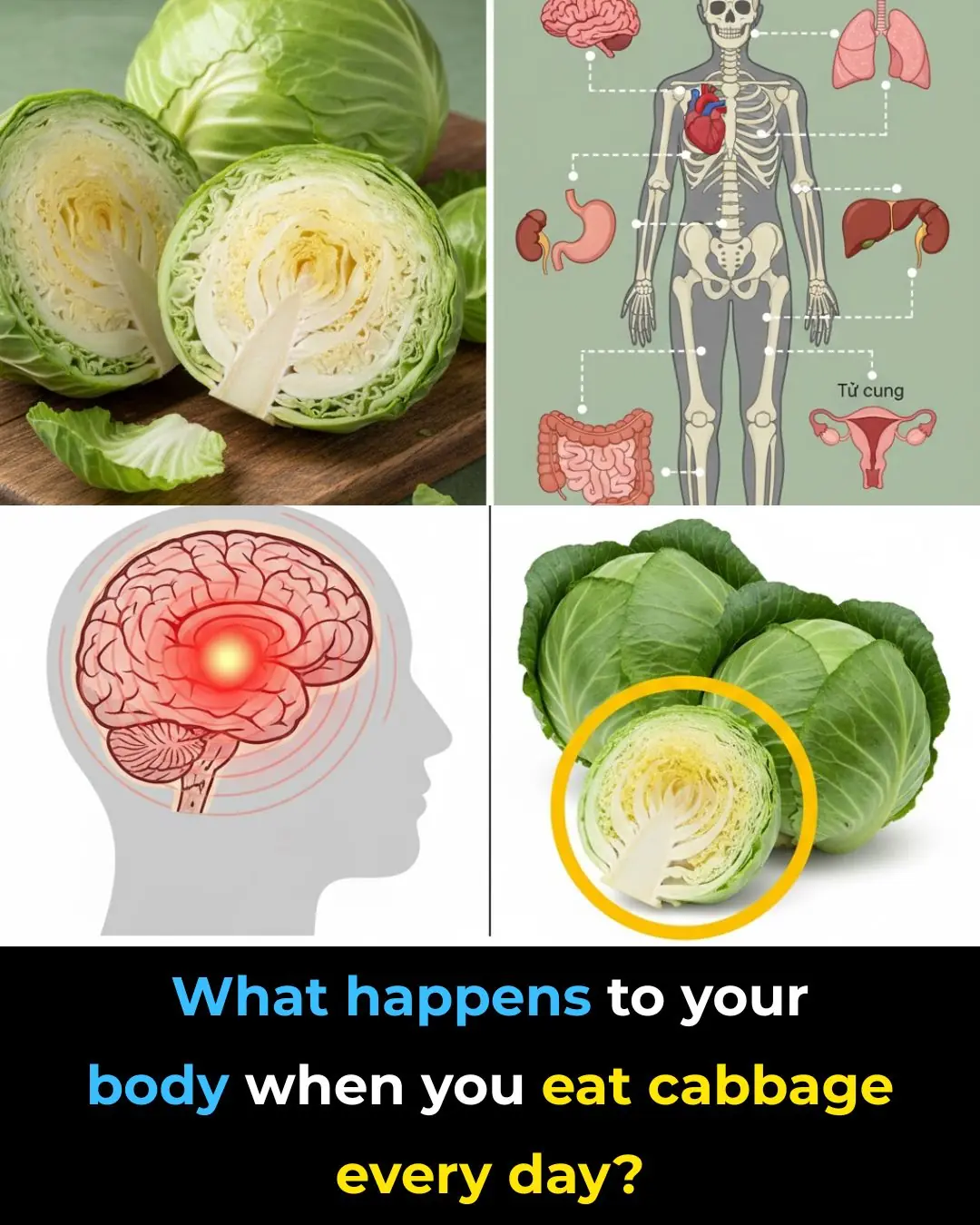
You will be surprised at its effects
Health 25/01/2026 21:44

For our bodies to function properly, it is essential to consume adequate amounts of food and vitamins. Our physical and mental performance largely depends on whether we provide our bodies with the nutrients they need. When we fail to do so, various health problems may arise over time.
In today’s fast-paced lifestyle, it is common for our bodies to require a higher intake of food to recover energy and obtain essential nutrients. We often push ourselves harder than we realize by engaging in multiple daily activities such as studying, working, exercising, walking, running, doing household chores, and many other tasks. All of these activities demand a significant amount of energy, which must be replenished through proper nutrition.
For this reason, consuming certain foods on a daily basis is necessary to maintain optimal health. Among the most important nutritional requirements of the human body are proteins. Proteins are molecules made up of amino acids and play a vital role in numerous bodily functions. They are essential for the growth, maintenance, and repair of tissues and organs. Chemically, proteins are composed of carbon, hydrogen, oxygen, and nitrogen, making them fundamental components of life.
Below are some of the key reasons why protein consumption is so important:
They serve as an important source of energy.
They are required to build and repair body tissues.
They help strengthen the immune system.
They assist in transporting oxygen through the blood.
They support proper digestion of food.
They help the body absorb essential nutrients.
They contribute to regulating blood sugar levels.
Many people believe that only individuals who go to the gym or engage in intense physical training need to consume protein. This idea is common in athletic and fitness communities, where protein intake is often emphasized. However, as shown above, proteins are necessary for a wide range of essential bodily functions. Therefore, not only athletes or physically active individuals need protein—everyone does.
The amount of protein your body requires may vary depending on several factors such as age, weight, level of physical activity, and overall health condition. In general, adults are advised to consume approximately 0.8 grams of protein per kilogram of body weight per day. However, this recommendation may change based on individual needs, body composition, and daily activity levels.
Protein intake is extremely important for maintaining balance and overall well-being. Proteins provide the energy needed to carry out daily activities and support vital bodily processes. A lack of sufficient protein can lead to various health issues and nutritional imbalances. If you are unsure whether you are consuming enough protein, here are some common signs that may indicate a deficiency:
Increased hair loss
Brittle or weak nails
Dry or unhealthy skin
Swelling in the ankles or abdomen
Mood changes
Slow wound healing
Fatigue and weakness
Frequent illnesses
Constant hunger
Cravings for sugary foods
As you can see, there are many signs that may indicate insufficient protein intake. For this reason, it is advisable to review your daily diet and ensure you are meeting your nutritional needs. If you have any concerns or doubts, consult a healthcare professional or doctor who can help determine the appropriate amount of protein your body requires for optimal health.
In addition to understanding the importance of protein, it is also essential to know where we can obtain it. Proteins can be found in a wide variety of foods, both of animal and plant origin. Animal-based sources include meat, fish, eggs, dairy products, and poultry, which generally provide complete proteins containing all essential amino acids. On the other hand, plant-based sources such as legumes, beans, lentils, chickpeas, nuts, seeds, tofu, and whole grains also contribute valuable protein, especially when combined properly to ensure adequate amino acid intake.
Maintaining a balanced diet that includes sufficient protein helps support muscle mass, especially as we age. As the body gets older, it naturally loses muscle, and adequate protein intake can help slow this process, preserve strength, and reduce the risk of injuries. Protein is also important for children and adolescents, as it supports growth and proper development during critical stages of life.
It is worth noting that consuming protein in excess is not necessarily beneficial either. Extremely high protein intake, especially without medical supervision, may place stress on the kidneys or lead to nutritional imbalances if it replaces other essential nutrients such as carbohydrates, healthy fats, vitamins, and minerals. For this reason, balance and moderation are key when planning daily meals.
Ultimately, protein should be viewed as a fundamental part of a healthy lifestyle rather than a nutrient reserved only for athletes or fitness enthusiasts. By distributing protein intake throughout the day and combining it with a varied and nutrient-rich diet, the body can function more efficiently and maintain overall health.
Paying attention to your body’s signals, maintaining healthy eating habits, and seeking professional advice when needed are essential steps toward achieving proper nutrition. A well-balanced diet that includes adequate protein can significantly improve energy levels, strengthen the immune system, and contribute to long-term physical and mental well-being.