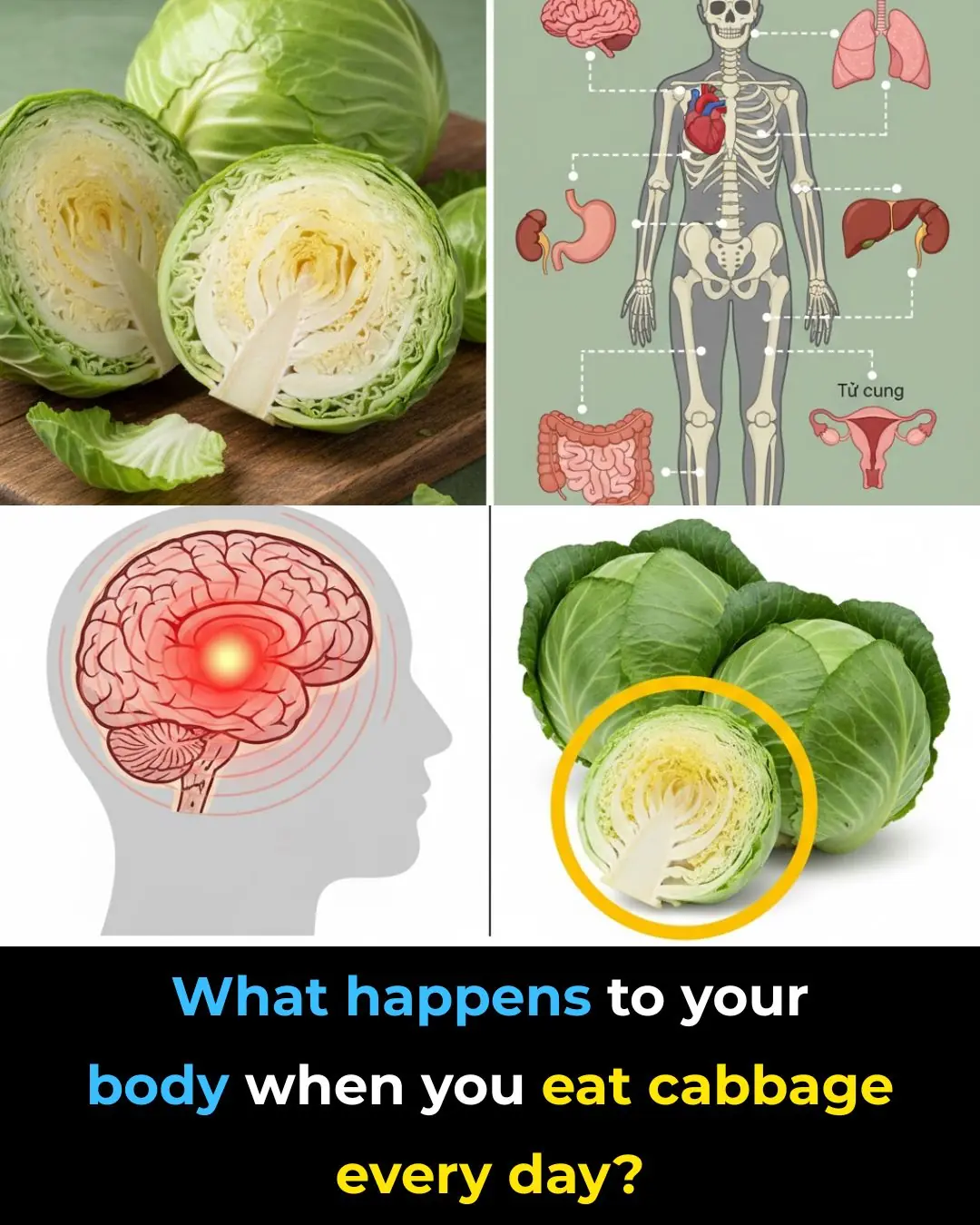
You will be surprised at its effects
Health 25/01/2026 21:44

Alzheimer’s disease is a degenerative disorder that affects the brain, gradually impairing a person’s ability to retain memories and diminishing essential cognitive functions such as thinking, remembering, and reasoning. This condition primarily affects adults and elderly individuals, significantly reducing their quality of life as the disease progresses.
According to the National Institute on Aging (NIH), despite decades of extensive research, the exact causes of Alzheimer’s disease have not yet been fully identified. Nevertheless, scientific advances over the years have led to the development of multiple theories that attempt to explain the origin and progression of this condition. These theories have contributed to a broader understanding of the disease, even though many questions remain unanswered.
A wide range of factors is considered when studying Alzheimer’s disease. Environmental influences and lifestyle choices play an important role, and genetic factors may also contribute to its development. Genetic causes are most commonly associated with early-onset Alzheimer’s, which appears in individuals younger than 65 years of age. This highlights the complex and multifactorial nature of the disease.
In recent years, researchers have identified intriguing similarities between Alzheimer’s disease and a pathogen found in chronic periodontitis, also known as gum disease. This microorganism, called Porphyromonas gingivalis, has been detected not only in the oral cavity but also in the brains of individuals diagnosed with Alzheimer’s disease. These findings have sparked increased scientific interest in the possible connection between oral health and neurodegenerative disorders.
Dr. David Reynolds, Chief Scientific Officer of Alzheimer’s Research UK, has stated that although the bacterium P. gingivalis, commonly linked to gum disease, has previously been found in the brains of Alzheimer’s patients, its exact role in the development of the disease remains unclear. In summary, while both conditions appear to involve invasive processes affecting the brain, further evidence is required before definitive conclusions can be drawn. Researchers have also detected elevated levels of amyloid protein, a hallmark characteristic of Alzheimer’s disease, reinforcing the significance of these observations.
To investigate this potential link further, scientists conducted experiments in which laboratory mice were infected with P. gingivalis and subsequently treated with a drug designed to target amyloid accumulation. After many years without the development of new medications for Alzheimer’s disease, this experimental treatment produced promising results in animal models. Given the long-standing lack of breakthroughs, exploring every possible avenue to understand and combat this disease is essential, making this research an encouraging step toward future therapies.
The discovery of this connection represents strong evidence of a valuable research opportunity. While earlier data were insufficient to justify deeper investigation, current findings have motivated the scientific community to pursue this line of study more actively. Supporting this effort, researchers also identified toxic enzymes known as gingipains, which are produced by bacteria that reach the brain. These enzymes have been associated with two proteins commonly found in Alzheimer’s disease: tau and ubiquitin.
Furthermore, toxic gingipains have been identified in the brains of individuals who passed away without ever being diagnosed with Alzheimer’s disease. This raises an important unanswered question: does dementia lead to poor oral hygiene and increased bacterial infection, or does infection with P. gingivalis contribute directly to the development of Alzheimer’s disease? Resolving this question will be crucial for determining whether improved oral health could play a role in preventing or delaying neurodegenerative disorders in the future.
In light of these findings, maintaining good oral hygiene may represent an overlooked but potentially significant factor in overall brain health. While brushing, flossing, and regular dental checkups have long been associated with preventing oral diseases, emerging evidence suggests they may also contribute to reducing systemic inflammation and limiting the spread of harmful bacteria beyond the oral cavity. This perspective encourages a more holistic approach to health, recognizing that conditions affecting one part of the body may have far-reaching consequences elsewhere.
Moreover, these discoveries highlight the importance of interdisciplinary research, bringing together neurology, microbiology, and dentistry to better understand complex diseases such as Alzheimer’s. By examining how chronic infections and inflammatory processes interact with neural tissues, scientists may uncover novel pathways that contribute to neurodegeneration. Such insights could lead not only to improved treatment strategies but also to preventive measures aimed at reducing risk factors before irreversible damage occurs.
Although current evidence does not yet establish a direct cause-and-effect relationship between P. gingivalis infection and Alzheimer’s disease, the growing body of research underscores the need for continued investigation. Future studies involving human clinical trials will be essential to determine whether targeting oral pathogens or controlling chronic inflammation can slow cognitive decline or delay the onset of dementia. Ultimately, advancing our understanding of these connections may open new doors in the fight against Alzheimer’s and offer hope for more effective interventions in the years to come.