The 18 Best Low-Carb Vegetables to Eat on the Keto Diet
Health 01/01/2026 12:38
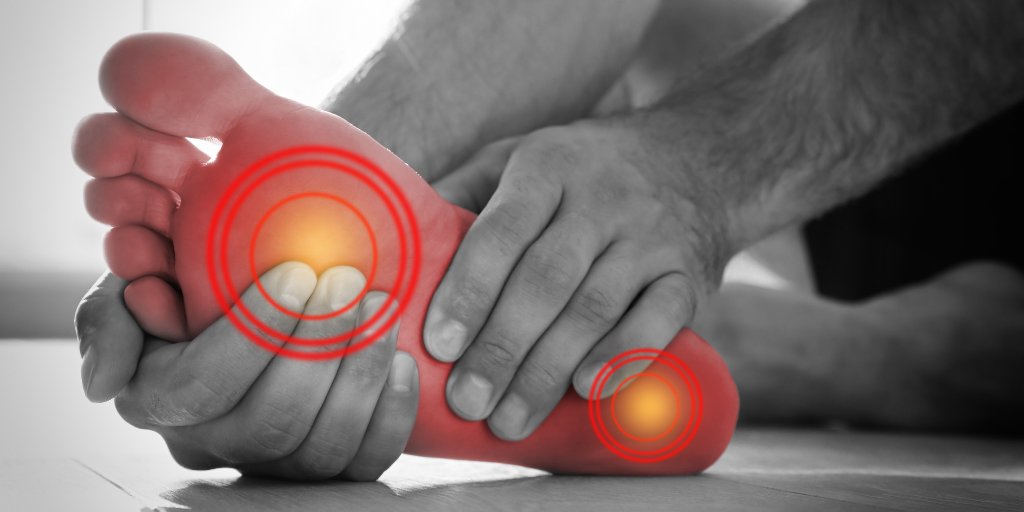
Let’s talk about something most of us have experienced at some point: that strange, tingling, “pins-and-needles” feeling in your feet. Usually, it happens when you’ve been sitting in an awkward position for too long. You stand up, shake your foot out, and within a minute, the sensation disappears. That’s completely normal. But what happens when the tingling doesn’t go away? When it lingers, becomes persistent, or even starts to hurt?
Persistent tingling, medically known as paresthesia, is your body sending a subtle but important signal. It indicates that your nerves are irritated, stressed, or possibly damaged. Often, this is related to a condition called peripheral neuropathy, which affects the network of nerves outside your brain and spinal cord. Peripheral neuropathy is surprisingly common, impacting over 20 million people in the United States alone. Understanding the underlying cause is crucial to alleviating discomfort, preventing further nerve damage, and maintaining long-term nerve health.
In this article, we’ll explore 14 common—and sometimes surprising—causes of tingling feet, what they mean, and what steps you can take to protect your health.
Persistent foot tingling is more than a minor annoyance; it can indicate underlying health problems.
Diabetes is the leading cause of chronic foot tingling in the U.S., damaging nerves through high blood sugar levels.
Nutritional imbalances, particularly vitamin B deficiencies or excesses, are common and often reversible causes.
Nerve compression from spinal issues, tarsal tunnel syndrome, or sciatica can directly lead to tingling and numbness.
Autoimmune conditions, chemical exposures, certain medications, thyroid disorders, and alcohol use can also trigger nerve-related symptoms.
Persistent tingling should not be ignored—seeing a doctor for a proper diagnosis is essential.
When it comes to chronic foot tingling, diabetes is by far the most common culprit. High blood sugar levels, whether from type 1 or type 2 diabetes—or even pre-diabetes—are toxic to nerve fibers. Over time, this sugar-rich environment damages the longest nerves first, which extend down to your toes, making the feet the earliest location for symptoms.
Up to half of people with diabetes experience this type of nerve damage, known as diabetic neuropathy. Red flags include increased thirst, frequent urination, and fatigue. Diagnosis is straightforward with a blood test to measure glucose levels. Managing blood sugar through diet, exercise, and medications is key to preventing further nerve damage and alleviating symptoms.
Certain prescription drugs can lead to peripheral neuropathy. Chemotherapy medications are well-known offenders, but other medications—including those for HIV/AIDS, high blood pressure, seizures, infections, and alcohol use disorder—may also contribute. If you suspect your medication is causing tingling, consult your doctor before making any changes. They can weigh the benefits against potential side effects and, if possible, suggest alternative treatments.
Pregnancy brings numerous changes to the body, including tingling in the feet. As the uterus grows, it can press on nerves in the pelvis and legs, especially the sciatic nerve, causing pins-and-needles sensations. Fluid retention can exacerbate nerve compression. While usually harmless and temporary, gentle exercise, stretching, and massage may help. Severe or persistent tingling, particularly if accompanied by pain or weakness, should be discussed with a healthcare provider.
B vitamins are crucial for nerve health. A deficiency—particularly in vitamin B12 or B1—can cause tingling in both feet. B12 deficiency is common in vegans, vegetarians, older adults, or people with digestive disorders that impair absorption. Interestingly, too much vitamin B6, often from over-supplementation, can also damage nerves. Blood tests can detect these imbalances, and dietary adjustments or supplements usually resolve the problem.
If tingling is accompanied by shooting pain down the leg, a pinched nerve may be the cause. Herniated or bulging discs, arthritis, or injuries can compress nerve roots as they exit the spine. The tingling pattern often helps doctors pinpoint the affected nerve. Diagnosis typically involves a physical exam, and sometimes an MRI or CT scan. Treatment includes physical therapy, anti-inflammatory medications, and occasionally steroid injections.
As we age, the spine naturally wears down. Spinal stenosis, a narrowing of the spinal canal, can squeeze the spinal cord and nerve roots, causing tingling, numbness, weakness, or heaviness in the legs and feet. Symptoms often worsen when standing or walking and improve when sitting or leaning forward. Osteoarthritis is the most common cause. Treatment includes medications, physical therapy, and in some cases, minimally invasive procedures.
MS is an autoimmune condition in which the body attacks the protective myelin sheath around nerve fibers. This disrupts communication between the brain and body, leading to numbness or tingling in limbs or face, muscle spasms, balance issues, and vision problems. Diagnosis involves neurological exams, blood tests, MRI scans, and sometimes spinal fluid analysis. Early detection is critical for slowing progression.
An underactive thyroid slows metabolism and can cause fluid retention, leading to nerve compression and tingling. Over time, it may directly damage nerves. Other symptoms include fatigue, weight gain, constipation, feeling cold, and depression. Blood tests measuring TSH and T4 confirm the diagnosis, and treatment involves daily thyroid hormone replacement.
Certain environmental toxins, like lead, mercury, or arsenic, can damage nerves. Exposure may occur through contaminated water, old paint, herbal medicines, or industrial environments. Alcohol and drugs also fall into this category. Symptoms include tingling, numbness, pain, and weakness. Diagnosis may require blood and urine tests, nerve conduction studies, and removal of the toxic source is the primary treatment.
Excessive alcohol consumption is toxic to nerves and can cause alcoholic neuropathy. Alcohol interferes with nutrient absorption, particularly B vitamins, which are essential for nerve health. Symptoms include tingling, burning pain, and numbness starting in the feet. Recovery involves stopping alcohol use and replenishing nutrients, especially B vitamins.
In autoimmune conditions, the immune system attacks the body’s own tissues, including nerves. Conditions like Lupus, Rheumatoid Arthritis, Guillain-Barré syndrome, and MS can cause foot tingling. Symptoms vary, but tingling accompanied by joint pain, rashes, fatigue, or difficulty breathing warrants further investigation and blood tests for accurate diagnosis.
Similar to carpal tunnel in the wrist, tarsal tunnel syndrome occurs when the tibial nerve is compressed in the ankle’s narrow passage. Causes include swelling, flat feet, arthritis, or cysts. Symptoms include pain, numbness, and tingling along the bottom of the foot and toes. Diagnosis may involve a Tinel’s test. Treatment ranges from rest and orthotics to steroid injections or minor surgery.
Sciatica occurs when the sciatic nerve—the body’s longest nerve—is compressed, often due to a herniated disk or spinal stenosis. This leads to pain, tingling, numbness, or weakness radiating from the lower back to the foot. Relief may come from stretching, strengthening exercises, and over-the-counter pain relief, while addressing the underlying cause is key for long-term improvement.
The peroneal nerve runs along the side of the knee to the top of the foot. It is vulnerable to compression from leg-crossing, tight footwear, or pressure during sleep. Damage can cause tingling, numbness, or foot drop, making it hard to lift the front of the foot. Diagnosis uses physical exams and nerve conduction tests. Treatments range from physical therapy and braces to surgery in severe cases.
Persistent tingling in your feet can stem from a wide range of causes, from nutritional deficiencies to complex medical conditions. Your body is sending a clear signal: it’s time to pay attention. Ignoring the sensation is risky, while seeking medical evaluation allows for accurate diagnosis, targeted treatment, and long-term nerve protection.
By listening to your body, taking proactive steps, and addressing the root cause, you can relieve discomfort, prevent further nerve damage, and maintain optimal foot and nerve health for years to come.