My toenail turned thick and yellow. Clinic can’t see me anytime soon. What is this?
Tips 25/12/2025 13:56

Many people have experienced the same disappointment: boiled chicken that tasted perfectly tender and fragrant the day before becomes dry, bland, and far less appealing after reheating. Even a simple warm-up can significantly degrade its texture and flavor. The reason lies in the very nature of boiled chicken itself.
Once chicken has been fully cooked, most of its free moisture has already evaporated. When it is exposed to heat again, especially direct or intense heat, the remaining moisture continues to escape. At the same time, the protein fibers in the meat contract further, causing the flesh to become crumbly and dry.
The skin and fatty layers of the chicken are particularly sensitive. When subjected to high heat for a short but intense period, the fat can oxidize, leading to an unpleasant, slightly rancid or gamey smell. Reheating chicken multiple times, or using high heat to warm it too quickly, only accelerates this process and makes the problem worse.
For these reasons, the most important rule when reheating boiled chicken is simple: heat it gently, slowly, and with the support of steam, while avoiding direct exposure to dry heat as much as possible.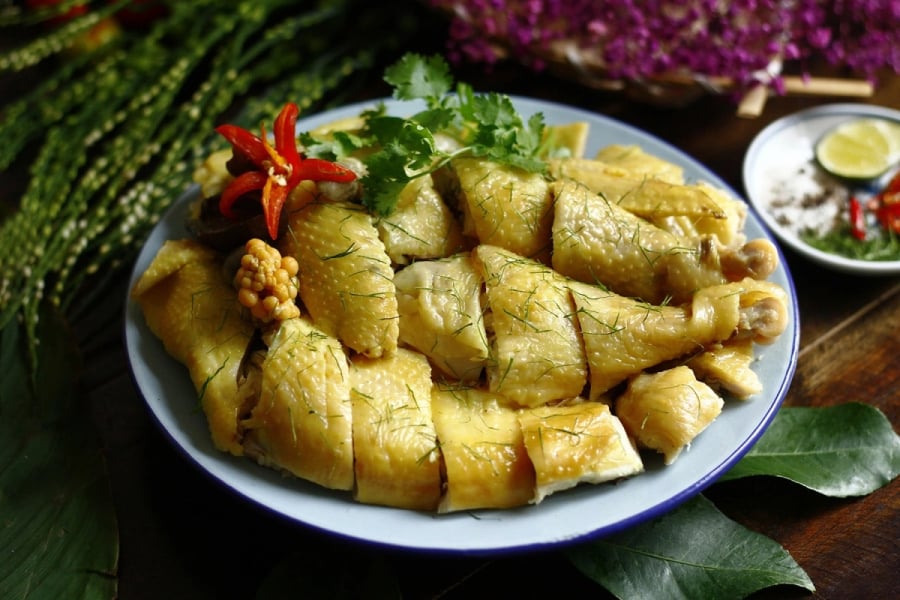
Steaming is widely regarded as the best way to reheat boiled chicken. The hot steam surrounds the meat evenly, warming it from the inside out without damaging the protein structure. As a result, the chicken retains its natural moisture, while the skin remains smooth and intact rather than wrinkled or discolored.
For best results, keep the chicken whole or in large pieces instead of chopping it into small portions. The less surface area exposed to heat, the less moisture is lost. Adding a few slices of crushed ginger or kaffir lime leaves to the steaming water not only helps neutralize any lingering odors but also restores the familiar aroma of freshly boiled chicken. Depending on the amount of chicken, steaming usually takes about 10–15 minutes.
Microwaves are convenient, but they are also the most common reason boiled chicken turns tough and chewy. Microwave heat works extremely quickly, causing water molecules inside the meat to evaporate aggressively if not properly controlled.
To prevent this, lightly drizzle some leftover chicken broth over the meat or spray the surface with clean water before reheating. Always cover the chicken with a microwave-safe lid or plastic wrap to trap steam inside. Instead of heating it all at once, divide the process into short intervals—about 1–2 minutes each at medium power—and turn the chicken between intervals. This gradual approach ensures even heating and helps the meat avoid “thermal shock.”
In many households, a rice cooker is always within reach and can easily double as a steaming device. Simply add a small amount of water to the bottom of the cooker, place an inverted bowl or steaming rack inside so the chicken does not touch the water, and turn on the cooking mode.
The steam generated inside the cooker gently reheats the chicken in much the same way as traditional steaming. Once the chicken reaches the desired temperature, switch to the warm setting to prevent overheating. This method is especially useful when reheating moderate portions of chicken and when a dedicated steamer is not available.
For chicken that has already been cut into pieces, quick blanching is a highly effective solution. Use leftover chicken broth or clean water infused with a few slices of ginger. Heat the liquid until it is very hot but not violently boiling. Submerge the chicken for about 30–60 seconds, then remove it immediately.
The hot liquid quickly replenishes moisture in the meat, softening the fibers before they have time to contract. This method is ideal when you need to serve the chicken right away or plan to incorporate it into another dish.
If reheating the same chicken repeatedly doesn’t sound appealing, transforming leftovers into new dishes is a smarter and tastier option. Shredded chicken tossed into a salad with sliced onions, Vietnamese coriander, kaffir lime leaves, and a sweet-and-sour fish sauce dressing benefits from added moisture and fresh textures, making the meat taste tender again.
Chicken noodle soup or chicken pho is another excellent way to “reheat” chicken naturally. The hot broth gently warms the meat while enhancing its flavor, resulting in a comforting and easy-to-eat dish.
For meatier portions, chicken rice cooked with chicken broth is well worth trying. The rice absorbs the rich, savory fat from the broth, while shredded chicken mixed with salt, pepper, and lime juice creates a satisfying contrast. Served with herbs, pickles, and dipping sauce, this dish is far more enticing than simply reheated chicken on its own.
Reheating boiled chicken doesn’t have to be a challenge. The key lies in choosing the right method and carefully controlling the heat. Whether you steam it, microwave it correctly, use a rice cooker, or blanch it briefly, the shared goal is always the same: preserving moisture and preventing unwanted odors. With a little attention and technique, even day-old boiled chicken can remain tender, flavorful, and worthy of a place on the family table.