
Why Walking After Eating Is So Good for You
Health 25/12/2025 14:23
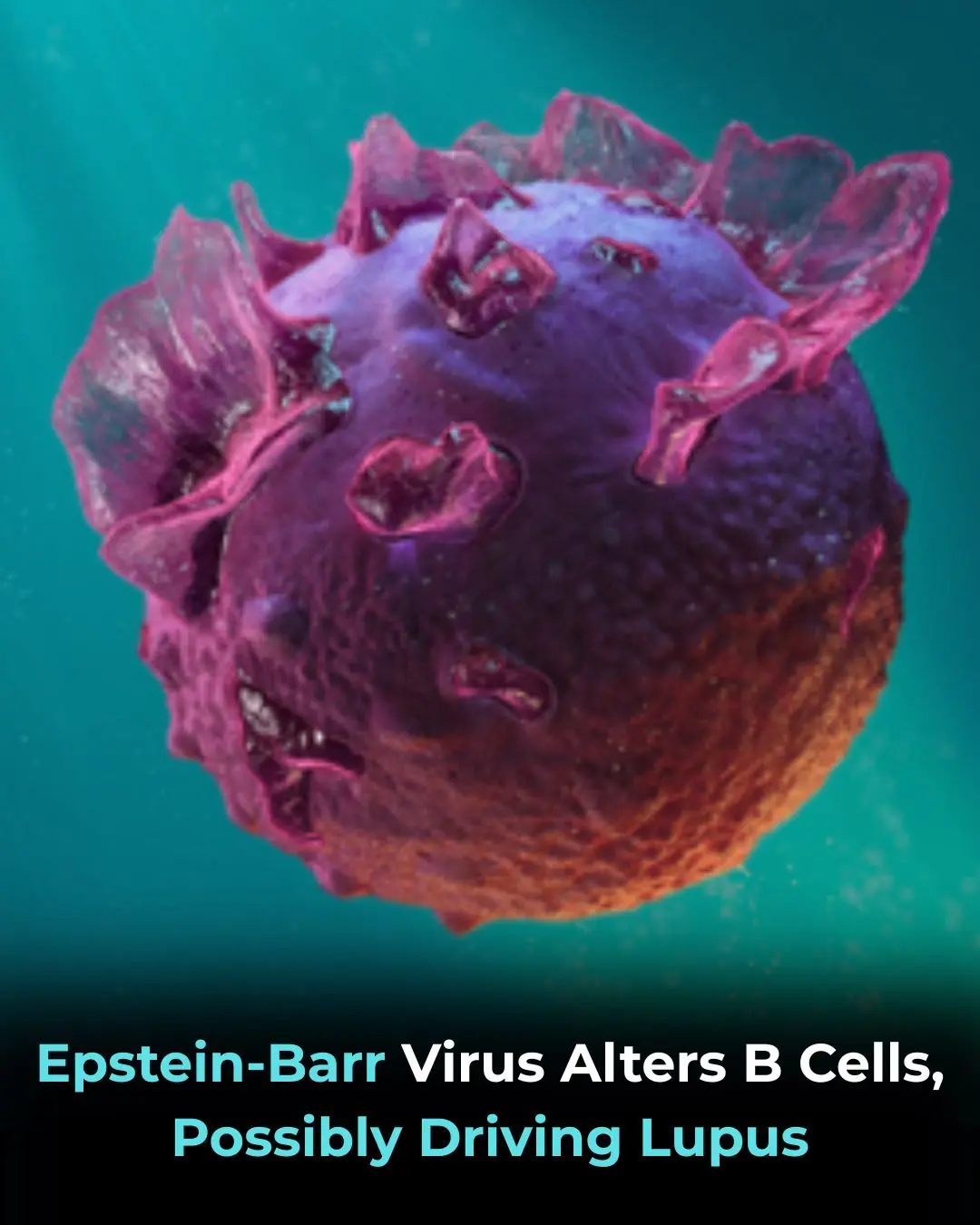
Epstein–Barr virus (EBV), one of the most common human viruses worldwide, may play a direct and active role in the development of systemic lupus erythematosus (SLE) by reprogramming autoreactive B cells, according to new research. The findings provide important mechanistic insight into how chronic viral infection could trigger and sustain autoimmune disease.
Systemic lupus erythematosus is a complex autoimmune disorder characterized by widespread inflammation and the production of autoantibodies that attack the body’s own tissues. Although genetic susceptibility is known to contribute to SLE risk, environmental triggers—including viral infections—have long been suspected to play a crucial role in disease onset and progression.
Epstein–Barr virus infects more than 90% of the global population and typically persists for life in a latent form within B lymphocytes. Previous epidemiologic studies have shown that nearly all patients with SLE have evidence of prior EBV infection, often with higher viral loads and altered immune responses compared with healthy individuals.
However, until recently, the precise biological mechanisms linking EBV infection to lupus pathogenesis remained unclear.
Recent research reveals that EBV does not merely infect B cells passively in patients with lupus. Instead, the virus appears to actively reprogram autoreactive B cells, transforming them into highly activated antigen-presenting cells capable of amplifying autoimmune responses.
In patients with SLE, EBV-infected B cells demonstrated markedly increased antigen-presenting capabilities compared with EBV-infected B cells from healthy controls. These altered cells were more effective at presenting self-antigens to T cells, a key step in initiating and sustaining autoimmune inflammation.
This phenomenon was not observed in individuals without autoimmune disease, suggesting that EBV interacts differently with the immune system in genetically or immunologically susceptible hosts.
The study suggests several mechanisms by which EBV-infected B cells may contribute to lupus:
Enhanced antigen presentation, increasing activation of autoreactive T cells
Persistent immune stimulation, preventing immune tolerance
Promotion of inflammatory signaling pathways, sustaining chronic immune activation
Expansion of autoreactive B cell populations, leading to increased autoantibody production
By converting normally regulated B cells into potent immune activators, EBV may act as a continuous driver of systemic autoimmunity rather than a one-time trigger.
A key finding of the research was the stark contrast between EBV-infected B cells in patients with SLE and those in healthy individuals. While EBV infection is common in both groups, only lupus patients exhibited B cells with abnormal immune activation and antigen-presenting behavior.
This distinction suggests that host immune context matters greatly. Genetic predisposition, altered immune regulation, or defects in viral control may allow EBV to exert pathogenic effects specifically in patients with lupus.
These findings strengthen the hypothesis that lupus is not driven solely by intrinsic immune dysfunction but may also be fueled by chronic viral interactions. EBV’s ability to manipulate immune cells adds a critical environmental dimension to the disease.
Understanding this relationship could help explain why lupus flares are often associated with immune stressors and why the disease is difficult to control once established.
If EBV-infected B cells are confirmed as key drivers of lupus activity, new therapeutic strategies may emerge, including:
Targeting EBV-infected B cells specifically
Developing antiviral therapies aimed at EBV latency
Designing vaccines to prevent or modify EBV infection
Refining B cell–directed therapies to disrupt antigen presentation
Current lupus treatments largely focus on suppressing immune activity broadly. Targeting the viral–immune interaction could offer more precise and potentially safer treatment options.
Beyond lupus, the findings may have implications for other autoimmune diseases that have been linked to EBV, including multiple sclerosis and rheumatoid arthritis. The study supports the broader concept that chronic viral infections can reshape immune cell function in ways that promote autoimmunity.
Emerging evidence suggests that Epstein–Barr virus may play an active and ongoing role in systemic lupus erythematosus by reprogramming autoreactive B cells into highly effective antigen-presenting cells. This viral-driven immune dysregulation may help explain the persistence and severity of autoimmune responses in lupus patients.
While further research is needed to confirm these findings and translate them into clinical therapies, the study marks a significant step forward in understanding how viral infections and immune dysfunction intersect to drive complex autoimmune diseases like lupus.