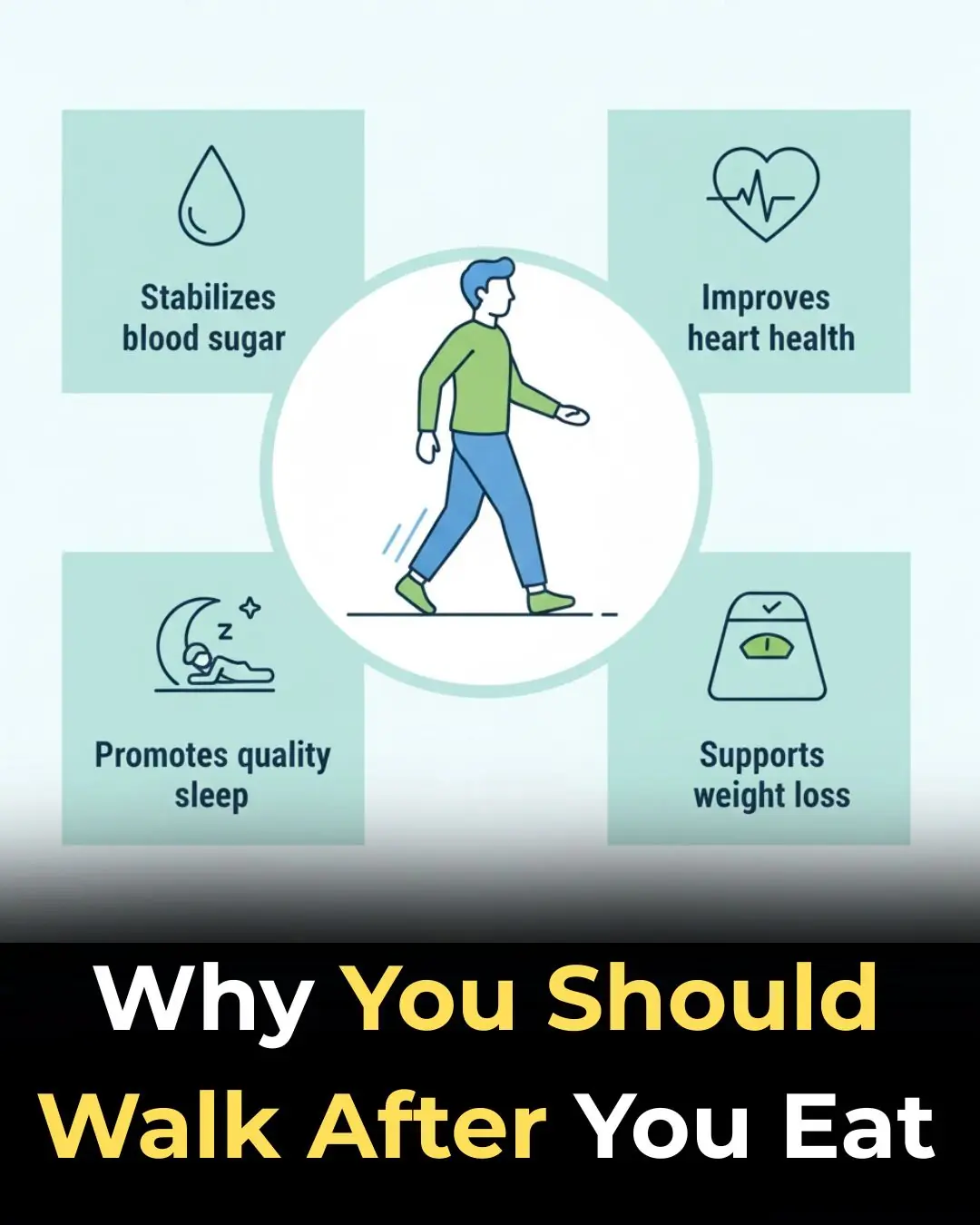
Why Walking After Eating Is So Good for You
Health 25/12/2025 14:23

Knee injuries are an unfortunate and often life-altering problem. A single wrong step, sudden twist, or awkward movement can completely disrupt daily life and, in severe cases, cause long-term mobility issues. Even elite athletes—people with exceptional strength and conditioning—live with a constant awareness of how vulnerable their knees are.
Knee injuries can happen during intense physical activity, but they are just as likely to occur during ordinary daily movements such as walking, standing up, or climbing stairs. In this article, we will explore five lesser-known habits that can quietly damage your knees and explain why stopping them now could protect your joint health in the long run.
The damage caused by these habits can take many forms, including fractures, dislocations, ligament tears, cartilage damage, and muscle sprains. Considering how much work the knees perform—supporting body weight while bending and stabilizing movement—it is not surprising that more than 10 million doctor visits every year are directly related to knee injuries.
Because the knee joint is made up of a complex and delicate system of bones, cartilage, ligaments, and muscles, even small lifestyle mistakes can lead to serious consequences over time. Being mindful of joint health, especially knee health, is essential for maintaining mobility, independence, and overall quality of life.
Take a moment to think about how hard your knees work every single day. With each step you take, your knees absorb and redistribute your body weight, often performing thousands of movements daily without you noticing.
This is where maintaining a healthy Body Mass Index (BMI) becomes critical. Excess body weight places a tremendous amount of additional pressure on the knees. Research shows that for every extra pound of body weight, the knees experience about three additional pounds of pressure while standing or walking.
Obesity is strongly linked to knee problems, particularly osteoarthritis, a condition that causes the cartilage in the knee joint to break down more quickly. As cartilage wears away, joints become stiffer, more painful, and more vulnerable to injury.
Studies from the National Institutes of Health have shown that losing just 10 pounds can reduce the risk of developing knee osteoarthritis by up to 50%. For an average adult who is 5 feet 9 inches tall, a healthy BMI typically falls between 18.5 and 24.9.
Reducing excess weight not only protects your knees but also improves overall joint health, balance, and endurance, making everyday movement easier and safer.
Exercise can be both a solution and a problem when it comes to knee health. On one hand, improper or excessive exercise can cause knee injuries. On the other hand, a lack of physical activity weakens the muscles that support the knee, making injuries more likely.
Strong muscles—especially the quadriceps, hamstrings, glutes, and calves—help stabilize the knee joint and absorb shock. Without adequate muscle support, the knee bears more stress than it should.
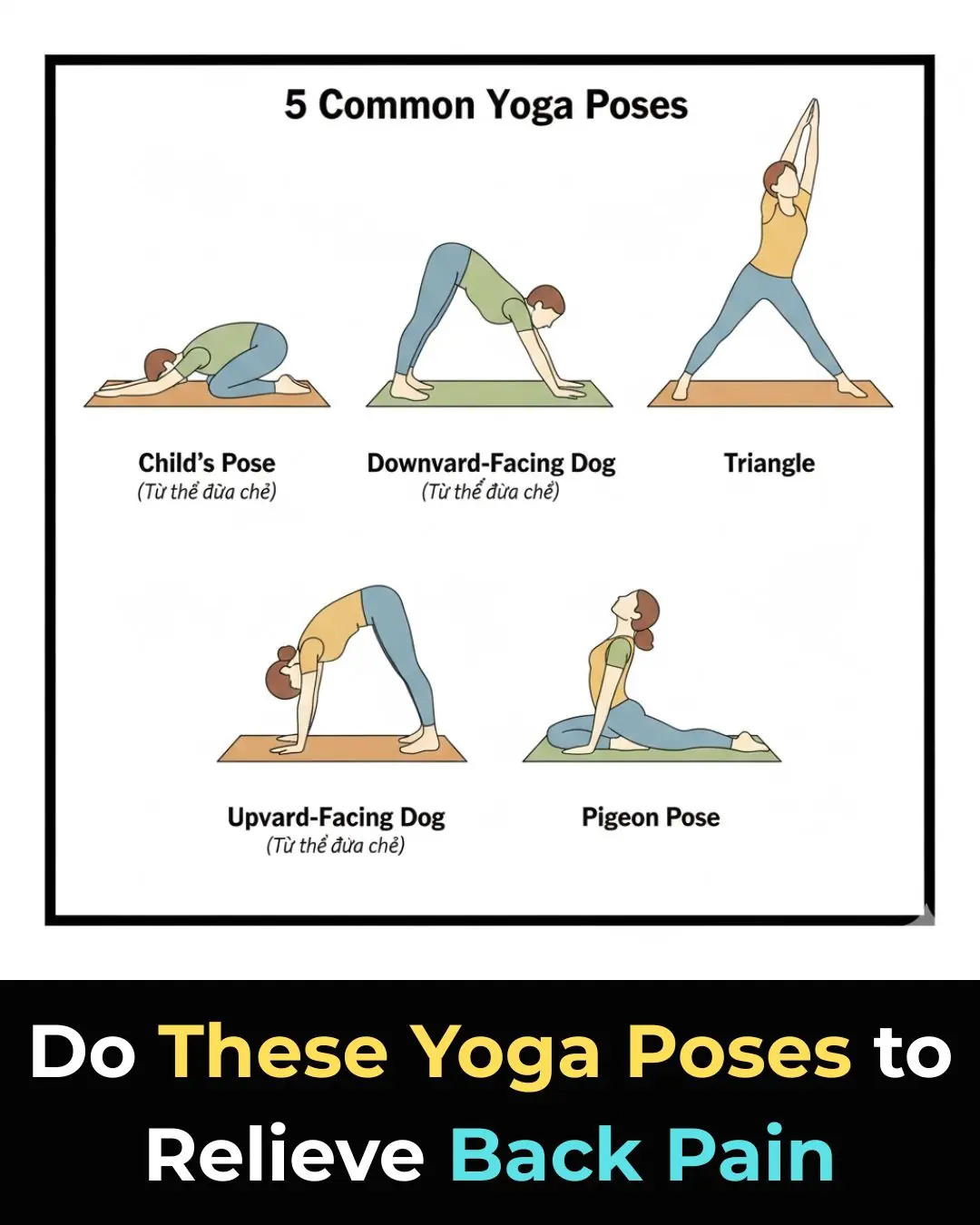
If you are relatively inactive, it is important to start slowly and build consistency over time. Gentle, low-impact exercises are ideal for strengthening the knees without excessive strain. Activities such as walking, swimming, cycling, yoga, and controlled strength training are excellent choices.
Stretching is equally important. Tight muscles can pull unevenly on the knee joint, increasing the risk of strain or injury. Always warm up before exercising and allow time for recovery afterward. While running can be beneficial, long-distance or high-impact running may place significant stress on the knees if not done properly.
Footwear plays a much larger role in knee health than many people realize. Shoes affect how weight is distributed throughout the body and how force travels from the ground up through the legs.
High heels, for example, shift body weight forward and alter natural alignment, which can place extra strain on the knees and hips. Studies have shown that high heels are a major risk factor for foot and knee injuries, especially in women.
This does not mean you must completely abandon fashionable shoes—but wearing them in moderation is key. For daily use, choose shoes that fit properly, provide adequate support, and help distribute weight evenly.
Runners should be especially careful when selecting footwear. The right running shoe depends on foot shape, gait, and stride. Consulting a professional or knowledgeable specialist can help prevent knee pain and long-term injury.
Posture is often overlooked, yet it has a powerful impact on knee health. Slouching, locking the knees, leaning to one side, or standing with uneven weight distribution can all place unnecessary stress on the joints.
Good posture ensures that your body weight is evenly distributed across both legs, reducing strain on the knees. Poor posture, on the other hand, often involves weak core muscles, rounded shoulders, bent knees, and a misaligned head and spine.
Over time, these habits can lead to muscle imbalances, joint pain, and increased injury risk. Strengthening the back, core, and hip muscles can significantly improve posture and reduce pressure on the knees, leading to better overall movement efficiency.
While physical activity is essential for joint health, repetitive stress without adequate recovery can be harmful. Performing the same knee-intensive movements day after day—such as squatting, jumping, or running—does not give the joint enough time to repair itself.
Lack of variation in exercise routines can cause overuse injuries, including tendonitis and cartilage damage. Adding variety to your workouts helps distribute stress more evenly across different muscles and joint angles.
Most importantly, listen to your body. Persistent knee pain is a warning sign that should never be ignored. Early treatment can prevent minor discomfort from developing into a serious injury. Rest, ice, compression, and elevation (RICE) are commonly recommended for sudden or prolonged knee pain, along with medical attention if symptoms persist.
Knee injuries often develop slowly due to everyday habits rather than sudden accidents. Maintaining a healthy weight, exercising wisely, wearing supportive footwear, practicing good posture, and allowing adequate recovery time can significantly reduce your risk of knee problems.
Taking care of your knees today can help ensure long-term mobility, independence, and an active lifestyle well into the future.