Can Papaya Leaves Turn Gray Hair Black Naturally? Unlock Nature’s Secret to Vibrant Hair!..pl
Health 31/03/2026 22:39
Have you been feeling unusual physical changes lately—such as tingling in your legs, thinning hair on your lower limbs, persistent cold feet, memory lapses, or even chest discomfort? These symptoms can be confusing and concerning. Many people assume they are caused by “clogged veins,” but the reality is a bit more complex.
In this article, we’ll clarify what “clogged veins” usually means, explain how circulation problems actually develop, and help you understand the warning signs related to your legs, feet, heart, and brain.
Veins vs. Arteries: Arteries transport oxygen-rich blood from the heart to the body, while veins return oxygen-poor blood back to the heart. The lymphatic system removes excess fluid from tissues.
“Clogged Veins” Usually Mean Clogged Arteries: Although veins can become blocked by clots, most circulation-related symptoms are caused by narrowed or blocked arteries.
Symptoms Depend on Location and Speed of Blockage: Whether a blockage is in an artery or vein—and whether it develops suddenly or gradually—determines how symptoms appear.
Acute Arterial Blockages Are Medical Emergencies: Sudden blockages can lead to limb loss, heart attacks, or strokes and require immediate care.
Chronic Arterial Blockages Develop Slowly: These cause long-term symptoms like cramping, cold extremities, numbness, and muscle weakness.
Varicose Veins Are Not Blockages: They result from faulty valves, not clogged vessels.
Prevention Is Essential: Regular movement, a healthy diet, avoiding smoking, and weight control are crucial for maintaining good circulation.
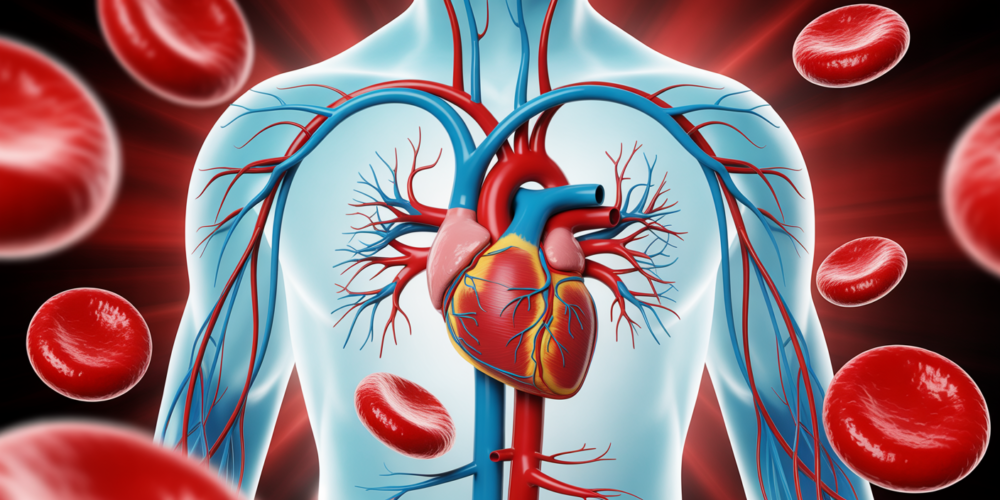
Your circulatory system is a highly organized network made up of arteries, veins, lymphatic vessels, and the heart—which acts as the central pump.
Arteries deliver oxygen and nutrients to tissues throughout the body, from the brain down to the toes.
Veins return blood back to the heart after oxygen has been used.
The lymphatic system functions as a drainage system, removing excess fluid and waste from tissues and returning it to the bloodstream.
When any part of this system becomes narrowed or blocked, circulation is disrupted. While people often say “clogged veins,” most circulation problems actually originate in the arteries.
Veins can become obstructed by blood clots, a condition known as thrombosis. The symptoms depend on where the clot forms.
A common example is deep vein thrombosis (DVT), which usually occurs in the legs. Risk factors include prolonged immobility, surgery, pregnancy, and certain medications such as birth control pills.
Common DVT symptoms include:
Pain or tenderness in the calf, often mistaken for a muscle cramp
Swelling in one leg
Skin that appears red, pale, or warm
More visible or bulging surface veins
DVT is dangerous because a clot can break loose and travel to the lungs, causing a pulmonary embolism, which can be fatal. Any combination of pain, swelling, and skin changes should prompt immediate medical attention.
Arterial blockages are the most frequent cause of circulation-related symptoms. These blockages occur when plaque builds up inside artery walls, restricting blood flow. The effects vary based on location and whether the blockage happens suddenly or gradually.
An acute arterial blockage develops quickly and is always an emergency.
A sudden blockage in a coronary artery can cause a heart attack, often presenting as intense chest pain, shortness of breath, or nausea.
A blockage in the brain leads to a stroke, with symptoms such as facial drooping, slurred speech, or weakness on one side of the body.
In the legs, sudden arterial blockage can cause severe pain, loss of pulse, numbness, coldness, and a blue or pale appearance of the limb.
These symptoms indicate that tissues are not receiving oxygen. Without rapid treatment, permanent damage or limb loss can occur.
Chronic arterial disease develops over years. Because some blood still flows, symptoms may be subtle at first and gradually worsen.
Common signs include:
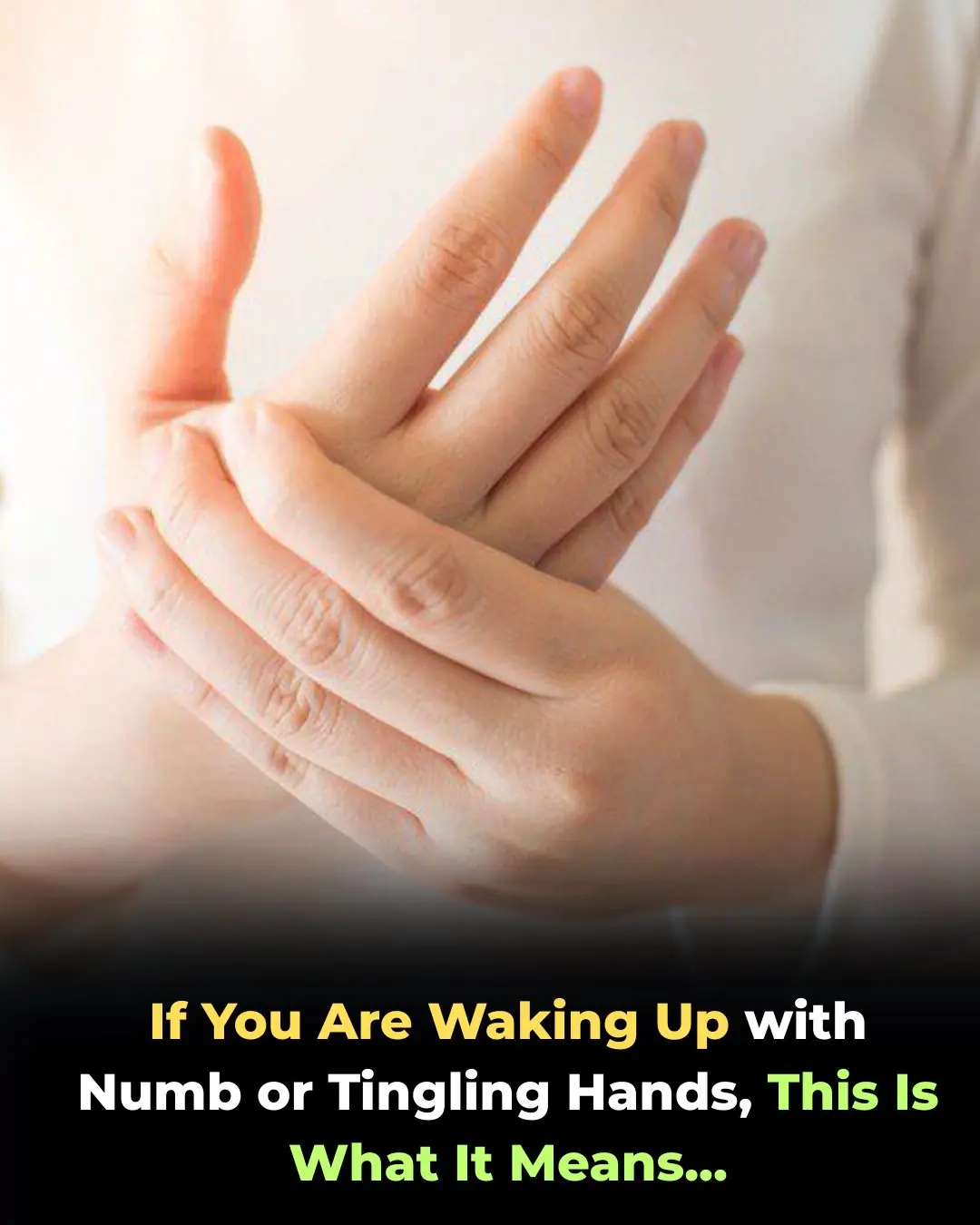
Numbness and tingling: Reduced blood flow affects nerve function.
Cold hands and feet: Extremities may feel colder and change color.
Muscle cramps: Especially during activity when muscles demand more oxygen.
Muscle atrophy: Long-term lack of nutrients causes muscles to shrink.
Intermittent claudication: Pain or fatigue in the legs after walking short distances, which improves with rest and returns with activity.
This pattern is a hallmark sign of peripheral artery disease (PAD).
Heart arteries: Chronic narrowing can cause angina, a feeling of chest tightness or pressure during exertion. If chest pain occurs at rest, this may indicate unstable angina and an impending heart attack.
Brain arteries (carotid arteries): Reduced blood flow can cause memory problems, difficulty concentrating, dizziness, or confusion, increasing the risk of stroke.
Varicose veins are often mistaken for clogged veins, but they are a different issue. They occur when vein valves fail, allowing blood to pool and stretch the vein walls. While they can be uncomfortable or unsightly, they do not block blood flow in the same way clots or arterial plaque do.
Maintaining healthy circulation is one of the most powerful ways to protect your heart, brain, and limbs.
Exercise regularly: Walking, swimming, and cycling improve blood flow and strengthen the heart.
Elevate your legs: Helps reduce swelling and improves venous return.
Quit smoking: Smoking damages blood vessels and accelerates plaque buildup.
Maintain a healthy weight: Reduces strain on the heart and lowers clot risk.
Eat a balanced diet: Emphasize fruits, vegetables, whole grains, lean proteins, and healthy fats like olive oil.
Manage blood pressure and blood sugar: These play a major role in arterial health.
Circulation problems should never be ignored. Early recognition and lifestyle changes can prevent serious complications such as heart attack, stroke, or limb loss. If you are experiencing symptoms of poor circulation, consult a healthcare professional promptly and follow their guidance.
Sharing accurate information like this can help others recognize warning signs early and take action toward better health.