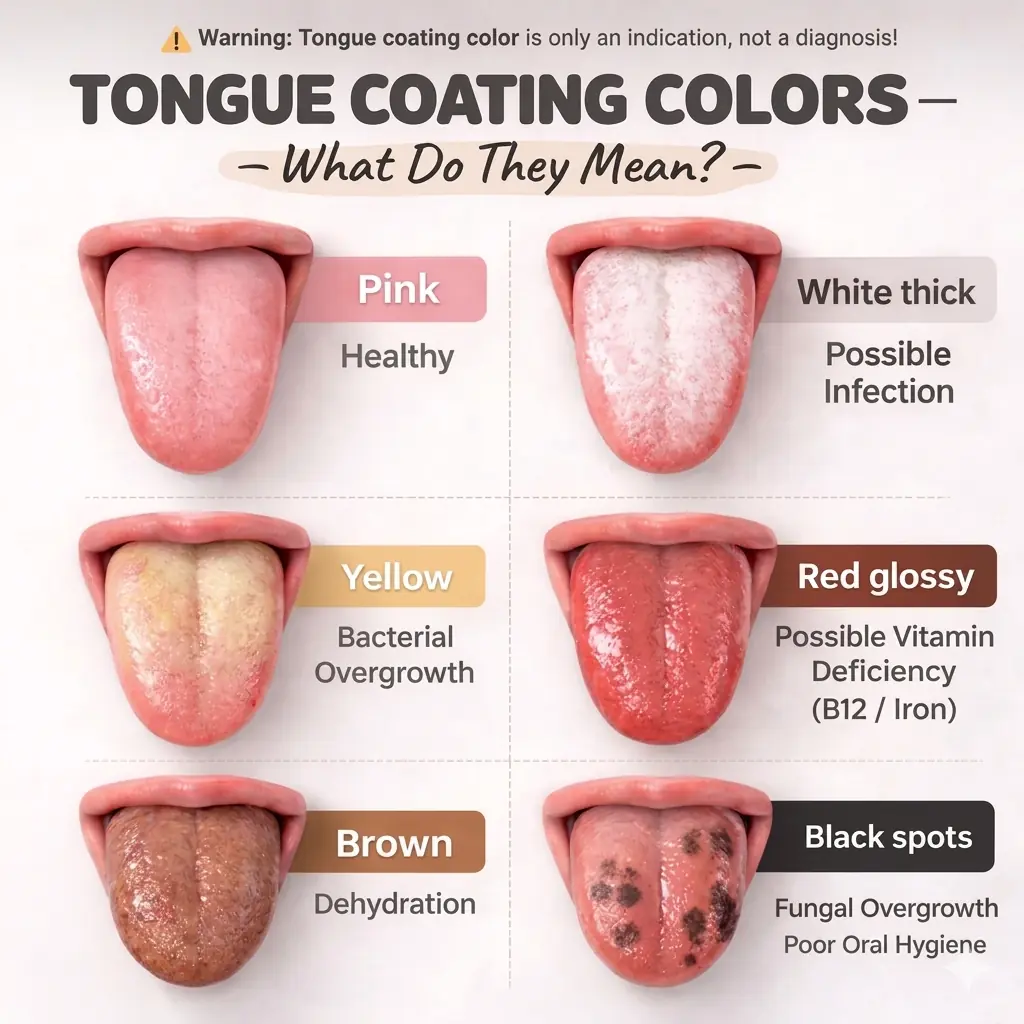
👅 Medical Vocabulary: Tongue Health
Health 20/04/2026 16:20
Understanding Psoriasis: Symptoms, Causes, and Treatment Options
Psoriasis is a chronic, autoimmune skin condition that affects millions of individuals worldwide. Although it is not contagious, it can significantly impact a person's physical comfort, self-esteem, and overall quality of life. Recognizing the early symptoms, understanding the underlying causes, and seeking proper treatment can make a huge difference in managing the disease effectively.
Psoriasis is caused by an overactive immune response that mistakenly targets healthy skin cells. This leads to accelerated skin cell production, resulting in the buildup of rough, scaly patches on the skin’s surface. The condition can appear at any age but is most commonly diagnosed in adults. It tends to go through cycles, flaring for a few weeks or months, then subsiding or going into remission.
Psoriasis manifests in several forms, each with unique symptoms and affected areas. Understanding the type of psoriasis you have is crucial for finding the most effective treatment:
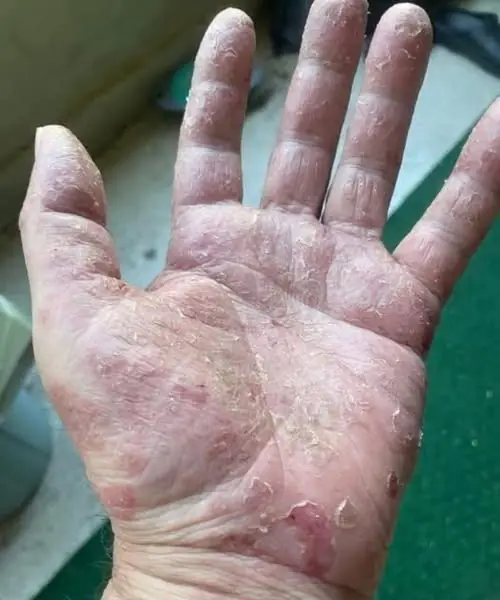
Plaque Psoriasis: The most prevalent form, marked by raised, inflamed red patches topped with silvery-white scales. These plaques typically appear on the elbows, knees, scalp, and lower back.
Guttate Psoriasis: Characterized by small, drop-like red spots, this form often emerges after bacterial infections like strep throat. It is more common in children and young adults.
Pustular Psoriasis: This type appears as painful, pus-filled blisters surrounded by red skin. It can be localized to certain areas or spread across the body in severe cases.
Inverse Psoriasis: Found in skin folds—such as under the breasts, in the groin, or around the genitals—this type presents as smooth, shiny, and red lesions without the typical scaling.
Erythrodermic Psoriasis: A rare but serious form that causes widespread redness, severe itching or burning, and skin peeling. It can disrupt body temperature regulation and requires immediate medical attention.
The exact cause of psoriasis isn’t fully understood, but it’s believed to be a combination of genetics and environmental triggers. Immune system dysfunction causes the skin cells to regenerate much faster than normal, leading to buildup and inflammation. Common triggers include:
Infections (e.g., streptococcal throat infections)
Cold weather
Stress or emotional trauma
Smoking
Excessive alcohol use
Certain medications, such as beta-blockers, lithium, and antimalarial drugs
Injury to the skin, like cuts, burns, or sunburn (known as the Koebner phenomenon)
Having a family history of psoriasis increases your risk, and the condition can also be associated with psoriatic arthritis, which affects the joints.
A dermatologist typically makes a diagnosis through a physical examination of the skin, nails, and scalp. In uncertain cases, a skin biopsy may be performed to rule out other conditions such as eczema or fungal infections. Early diagnosis can prevent complications and pave the way for a tailored treatment approach.
Although there is no definitive cure for psoriasis, several treatment strategies can help manage flare-ups and improve skin appearance and comfort:
Topical Treatments: Creams and ointments containing corticosteroids, salicylic acid, coal tar, or vitamin D analogs like calcipotriol can reduce inflammation and slow skin cell growth.
Phototherapy: Controlled exposure to ultraviolet (UV) light, particularly UVB, can reduce symptoms in moderate to severe cases. This treatment must be administered under medical supervision.
Systemic Medications: For more severe forms of psoriasis, doctors may prescribe oral or injectable medications that affect the whole body. These include biologics (like adalimumab or secukinumab), methotrexate, cyclosporine, and newer drugs that target specific immune pathways.
Lifestyle Adjustments: Managing stress, avoiding known triggers, maintaining a healthy diet, and keeping the skin moisturized can all help in reducing the frequency and severity of flare-ups.
If you experience persistent skin issues such as red patches, flaking, itching, or unusual rashes that don’t go away with over-the-counter treatments, it’s important to consult a dermatologist. Early and accurate diagnosis is key to preventing complications like skin infections, social discomfort, or the progression to psoriatic arthritis.
Living with psoriasis can be challenging, but knowledge and proactive care go a long way. By understanding your triggers and staying consistent with treatment, you can take charge of your condition. Don’t ignore the signs—seek professional medical guidance and build a skincare routine that works for you.