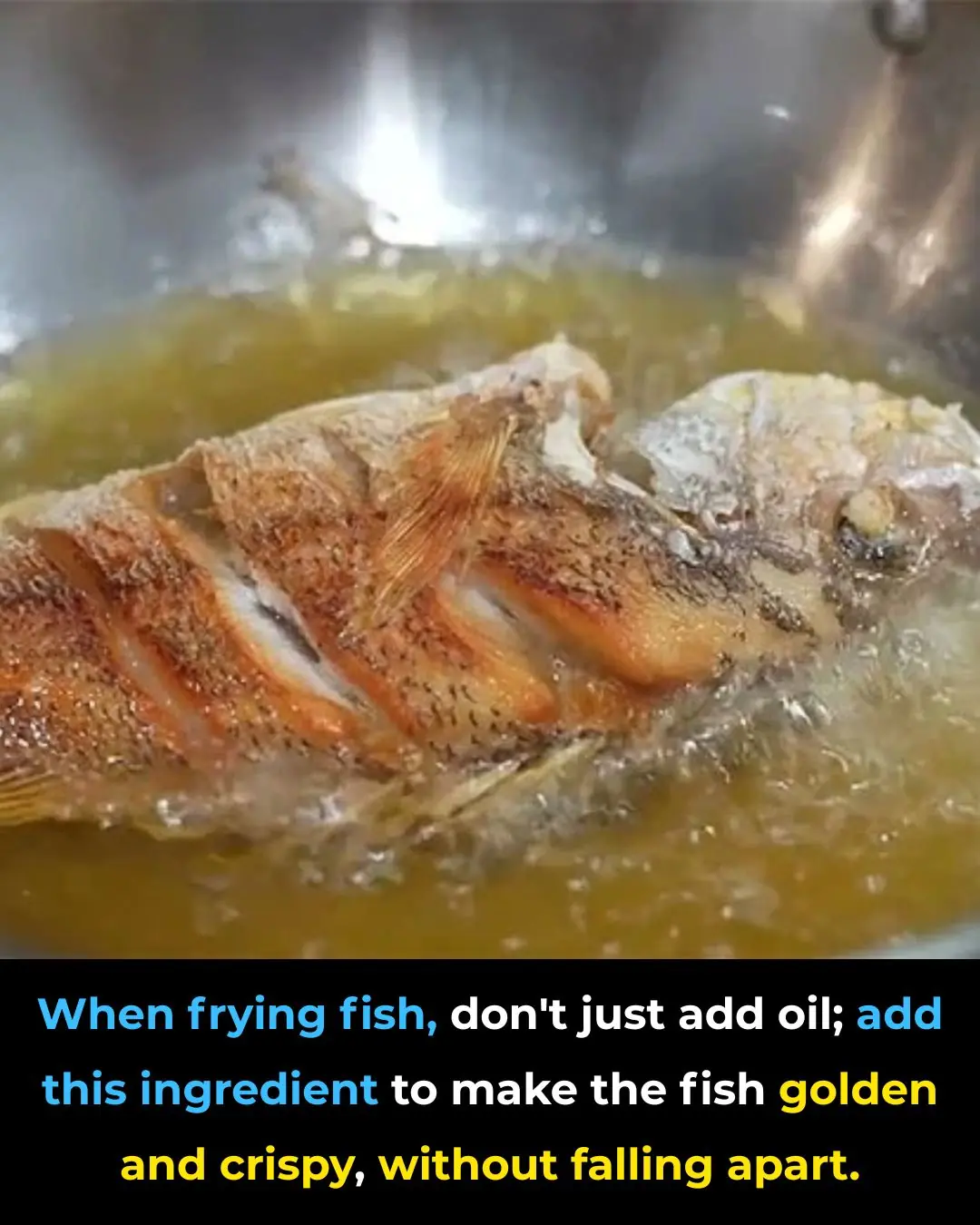
When frying fish, don't just add oil; add this ingredient to make the fish golden and crispy, without falling apart.
Tips 11/01/2026 11:07
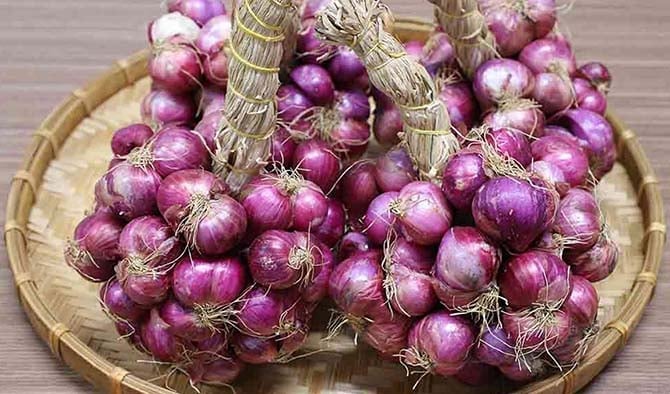
Storing garlic and onions in the refrigerator can be an effective way to keep whole bulbs fresh for a longer period. If you prefer convenience and want to save time during cooking, you can peel garlic cloves or onions in advance and store them in airtight jars or sealed containers before placing them in the refrigerator’s crisper drawer.
Another practical option is to finely chop garlic ahead of time, divide it into small portions, and store it in sealed containers in the fridge. This method not only helps streamline your meal preparation but also preserves the garlic’s natural aroma, flavor, and quality for an extended time when properly sealed.
Proper air circulation is essential to keep onions dry and well-ventilated. Avoid storing onions in plastic bags or airtight containers, as these trap moisture and block airflow, causing onions to rot or develop mold more quickly.
Instead, place onions in mesh bags, paper bags, or open baskets and keep them in a cool, dry, and well-ventilated area of your kitchen. Do not store onions in areas with temperatures that are too low (below 10°C) or excessively high, as extreme temperatures can negatively affect their shelf life.
It’s also important to inspect stored onions regularly. Remove any bulbs that show signs of softness, rot, or discoloration to prevent mold from spreading to healthy onions nearby. Whole onions are generally easy to store and do not require refrigeration or freezing as long as they are kept in a dry, airy environment.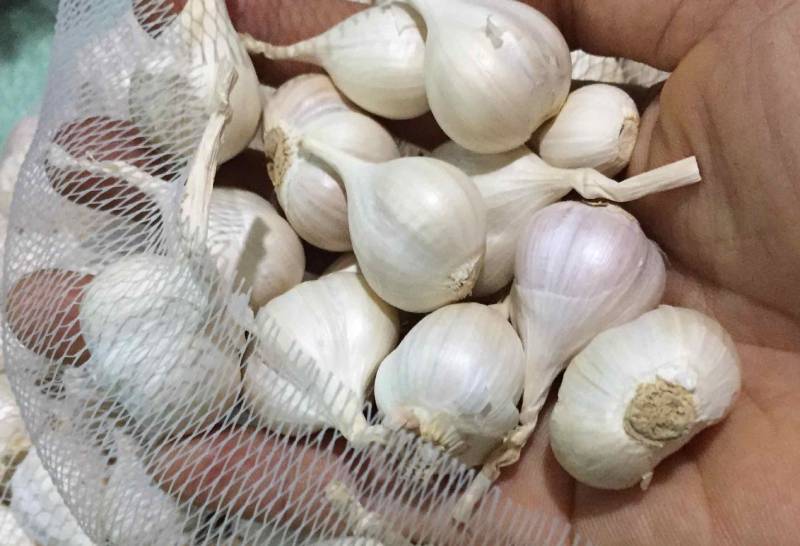
One simple yet highly effective method for preserving garlic is using a mixture of green tea leaves, salt, and baking soda. This combination helps absorb moisture inside storage bags, keeping garlic dry. In addition, tea and salt have natural antibacterial properties that help prevent sprouting, spoilage, and unpleasant odors.
First, allow freshly purchased garlic to dry by placing it under sunlight for about one hour or leaving it in a dry, well-ventilated area for one to two days until excess moisture evaporates and the outer skins become completely dry.
Next, place the garlic bulbs into a plastic bag. Prepare a mixture of salt, baking soda, and green tea leaves (about 40–50 grams in total), wrap it in tissue paper, and place it inside the bag with the garlic. Remove as much air as possible—either by hand or using a vacuum sealer—then tightly seal the bag. Store it in a cool, dry place away from direct sunlight.
With this method, garlic can be preserved for up to a year without sprouting or deteriorating in quality.
After peeling, garlic cloves should be finely minced and placed into airtight bags. Spread the minced garlic into a thin layer and freeze it for approximately three hours. Once frozen, remove it and cut it into small cubes for convenient use later.
Alternatively, you can place minced garlic into ice cube trays, cover them tightly, and store them in the freezer. This allows you to easily portion garlic for cooking while preserving its flavor and aroma.
Peel individual garlic cloves and place them into a clean glass jar or food-safe container. Pour oil over the garlic until it is completely submerged, then seal the lid tightly and store it in the freezer. When needed, simply scoop out the desired amount using a spoon. This method is especially convenient for cooking, as garlic-infused oil adds extra flavor to dishes.
Prepare two tablespoons of baking soda and one piece of fresh ginger. Place both into a zip-top bag along with the garlic, then press out as much air as possible before sealing the bag. Baking soda absorbs moisture, while ginger provides natural antibacterial protection, helping extend garlic’s shelf life.
For best results, store the bag in a cool, well-ventilated area away from direct sunlight. Thanks to the combined moisture-absorbing and antibacterial effects, garlic stays fresh and usable for a longer period without spoilage.
Drying garlic is another effective preservation method. Dehydrated garlic loses moisture, reducing its size and making it easier to store without taking up much kitchen space. Additionally, dried garlic absorbs water during cooking, releasing a richer and more concentrated flavor that enhances the taste of many dishes.