Health 2025-12-12 01:41:28
8 Warning Signs of Ovarian Cancer Women Should Never Ignore

Ovarian cancer is often called a “silent killer” — not because it has no symptoms, but because its early symptoms are frequently misdiagnosed as IBS, stress, reflux, or urinary tract infections. Many women dismiss these signs, thinking they’re minor or hormone-related.
But awareness is powerful.
And while symptoms can be alarming, having them does NOT automatically mean you have cancer. According to the American Cancer Society, a woman’s lifetime risk of developing invasive ovarian cancer is about 1 in 73.
Below are the 8 most common early warning signs — and understanding them could save a life.
8 Warning Signs of Ovarian Cancer
1. Fatigue
Feeling tired occasionally is normal — but feeling drained most days is not.
Persistent fatigue suggests your body is under stress and deserves a medical check.
2. Pelvic Pain
Discomfort or sharp pain in the pelvis or lower abdomen should never be ignored.
If your pain persists, and especially if you rely on painkillers just to get through the day — it’s time to see a doctor.
3. Constipation and Digestive Changes
Ovarian cancer can press on surrounding organs, leading to:
-
Bloating
-
Gas
-
Nausea or vomiting
-
Constipation or diarrhea
-
Feeling overly full
If these symptoms continue for weeks, get checked promptly.
4. Lower Back Pain
A dull ache spreading from the lower back to the pelvis, especially with a heavy feeling in the lower abdomen, can be a warning sign and should be evaluated.
5. Appetite Loss or Feeling Full Quickly
This is one of the most overlooked symptoms. Women may lose weight unexpectedly or feel full after just a few bites. This symptom alone warrants medical attention.
6. Urgent or Frequent Urination
This may feel like a UTI — even when there’s no infection.
If you still struggle with urgency or frequency after treatment, tell your doctor.
7. Pain During Sex
While dryness is the most common cause, ovarian cancer can cause a deep, sharp pelvic pain during intercourse — often on one side.
8. Abdominal Bloating
One of the hallmark symptoms. Persistent bloating that worsens over time — along with a visibly growing abdomen — signals the need for urgent medical evaluation.
Risk Factors for Ovarian Cancer
While the exact cause is unknown, several factors increase risk.
1. Menstruation & Childbearing History
You may have a higher risk if you:
-
Have never had children
-
Started menstruating before age 12
-
Reached menopause later than average
More lifetime menstrual cycles = increased risk.
2. Age
Half of ovarian cancer cases occur in women over age 60, though it can occur earlier.
3. Genetic Mutations (BRCA1 and BRCA2)
These genes normally suppress tumors — but when mutated:
-
BRCA1 = ~40% lifetime risk
-
BRCA2 = 10–20% lifetime risk
Genetic counseling is recommended if these mutations run in your family.
4. Family History
A strong family history of:
-
Ovarian cancer
-
Breast cancer
-
Colon cancer
increases your personal risk.
5. Certain Medications
Risks rise with long-term use of:
-
Hormone replacement therapy
-
High-dose infertility drugs
6. Other Risk Factors
-
Obesity
-
PCOS
-
Smoking
-
IUD use in some cases
How Ovarian Cancer Is Diagnosed
There is no reliable universal screening test, which is why symptom awareness is crucial.
A doctor may order:
-
Pelvic exam
-
Transvaginal ultrasound
-
Blood tests (such as CA-125 protein)
Early detection dramatically improves outcomes.
Conclusion
Ovarian cancer is often caught late — not because it’s invisible, but because its early signs mimic everyday issues. Pay attention to your body. If you experience several of these symptoms for more than 2–3 weeks, consult a healthcare provider.
Awareness saves lives.
Sharing this information might save someone you love.
News in the same category

Clove for Hair Growth: Can This Ancient Spice Really Boost Eyebrows, Lashes, and Long Hair?

🚿 The Hidden Risks of Showering at the Wrong Time — What Every Senior (and Caregiver) Should Know

Does The Inside Of Your Ear Itch

Important News for Everyone Who Loves a Daytime Nap

Oregano for Eye Health After 40: Natural Antioxidant Support and Easy Daily Habits

The "Golden" Connection Between Maternal Microbiome and Fetal Brain Development

Decoding the White Stains on Underwear: The Truth About Your Body's Natural "Cleaning Agent"
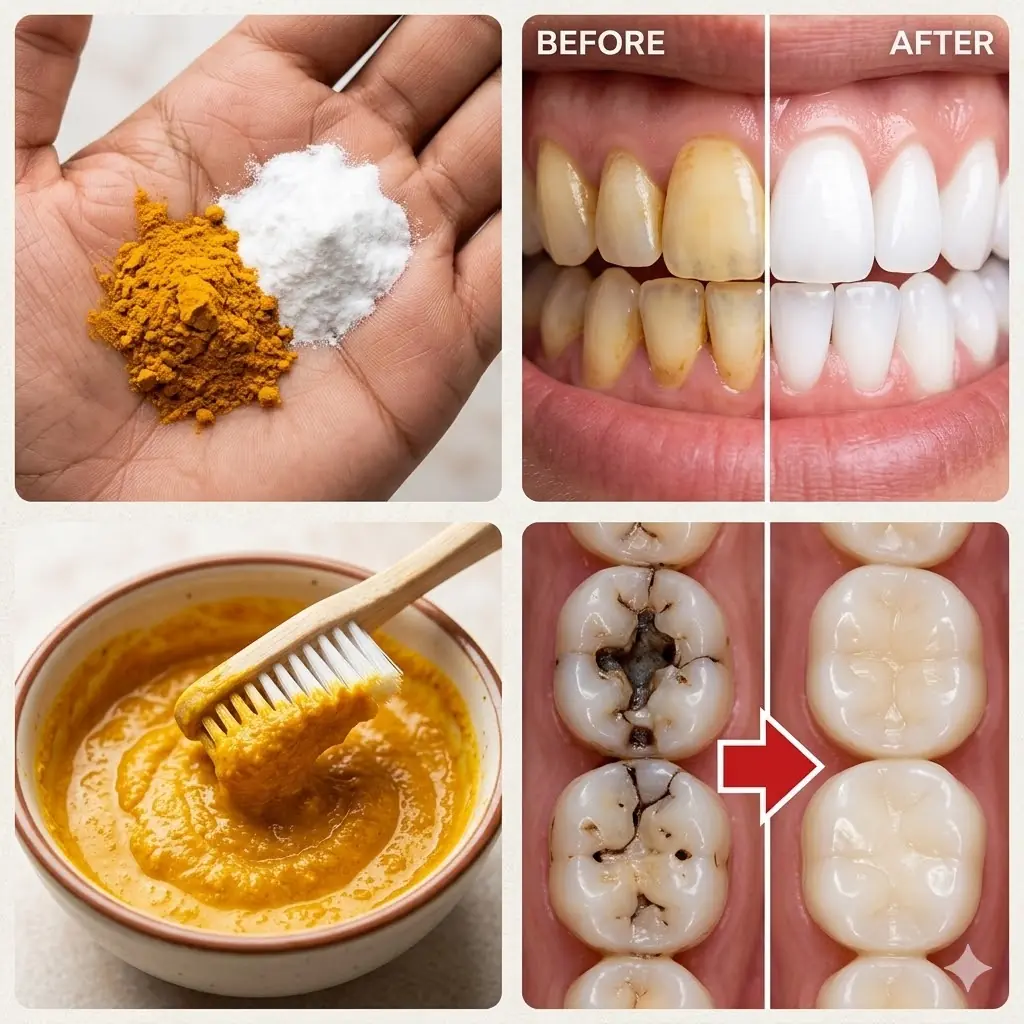
Turmeric for Teeth Whitening: Does This Natural Remedy Really Work?
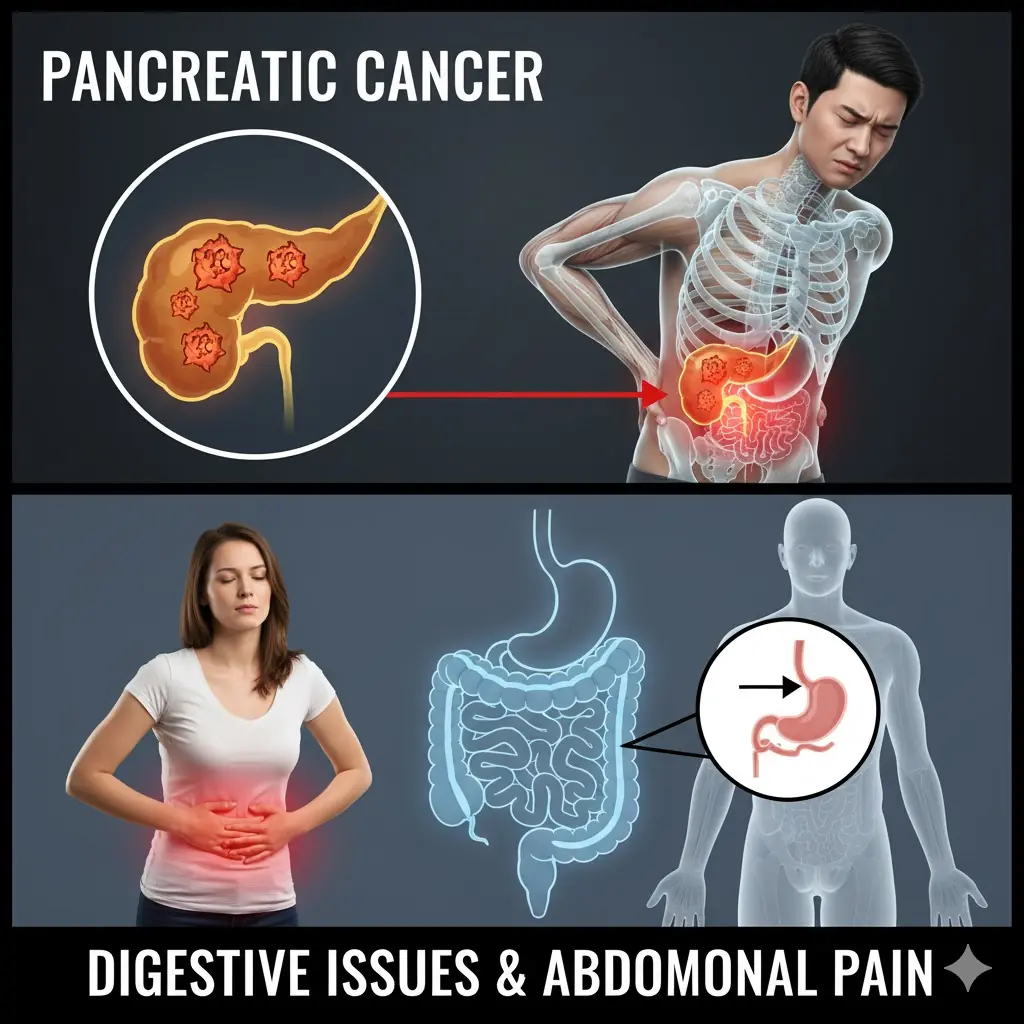
8 Pancreatic Cancer Symptoms That May Surprise You

Japanese Ginger Beauty Ritual: A Simple Night Routine Inspired by Okinawa’s Centenarians

Garlic with Honey: A Simple Home Ritual That Could Transform Your Everyday Health

Build Muscle After 70: 6 Powerful Natural Foods That Beat Eggs in Protein

Hospice chef reveals the one comfort food most people ask for before they die

More people are dying from heart failure, doctors warn: give up these 4 habits now
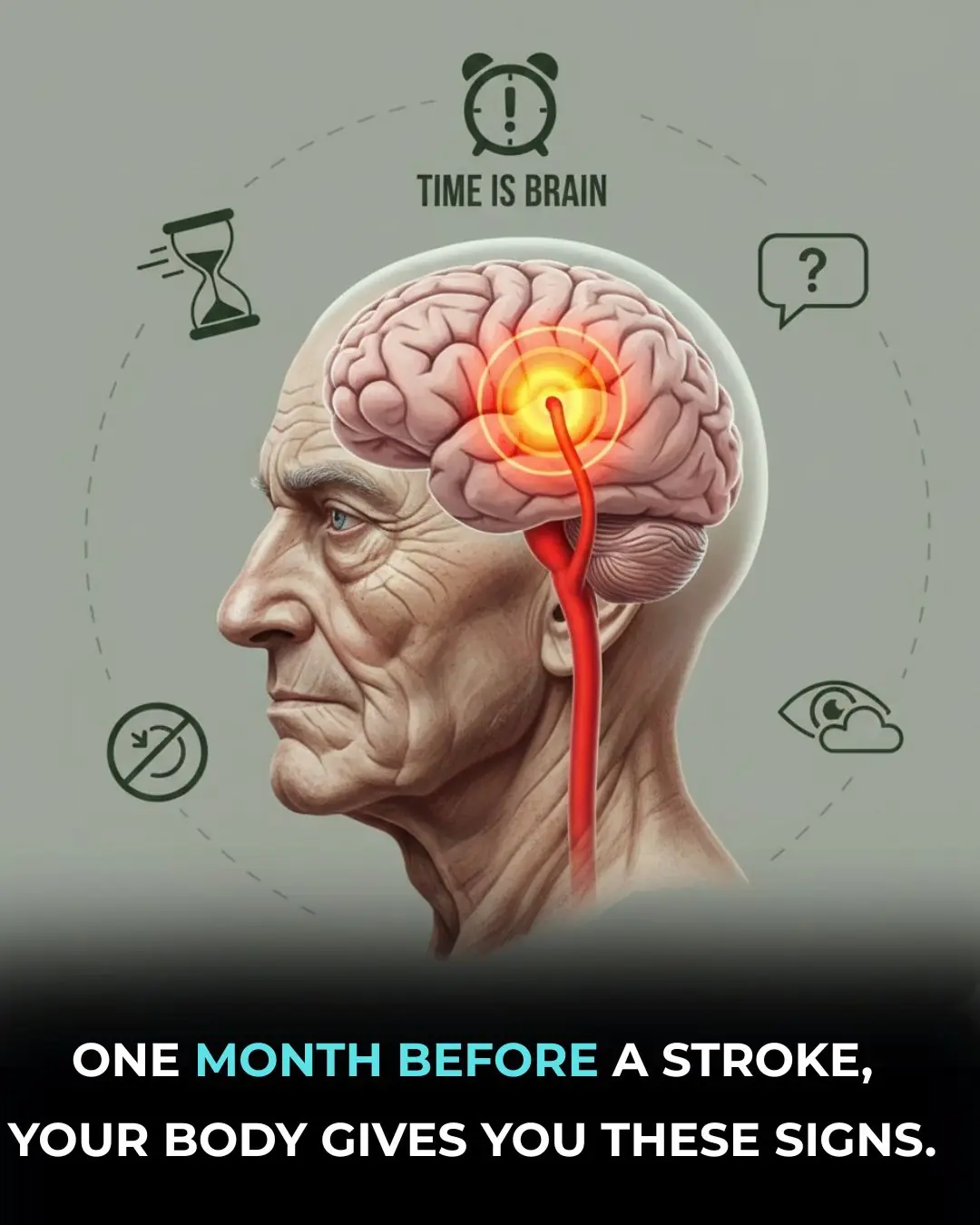
Recognizing a Stroke Fast

Egg, Honey & Coffee Mix – The 3-Ingredient “Bedroom Rocket Fuel” Men Over 40 Are Using for Morning Wood, Stamina & Confidence

A Doctor Explains What “Lightning Bum” Really Is

Why Scallions Deserve More Credit as a Health Food

Why Nose Picking Isn’t as Harmless as You Think
News Post
The Hidden Nutritional Power of a Vegetable Many People Overlook
Health 12/03/2026 09:03

I Threw My Poor Grandparents out of My Wedding – Then I Opened Their Final Gift and Collapsed
Life stories 12/03/2026 08:43
Why Your Body Might Be Waking You Up at 4 AM: The Hidden Message
Facts 12/03/2026 08:40
“I NEED LOVE… DON’T MOVE,” Whispered the Millionaire to His Maid—What Happened Next Shocked Everyone
Life stories 12/03/2026 06:48
My son hit me just because the soup wasn’t seasoned with salt
Life stories 12/03/2026 06:35

A Little Boy Wouldn’t Stop Crying After His Beloved Nanny Was Suddenly Fired and Disappeared From the Mansion Without Saying Goodbye
Life stories 11/03/2026 23:14

During our divorce trial, my husband showed no emotion as he sought to end our 20-year marriage
Life stories 11/03/2026 22:51
Clove for Hair Growth: Can This Ancient Spice Really Boost Eyebrows, Lashes, and Long Hair?
Health 11/03/2026 22:18

What Left-Handed People Have That Right-Handers Don’t
Tips 11/03/2026 22:03
🚿 The Hidden Risks of Showering at the Wrong Time — What Every Senior (and Caregiver) Should Know
Health 11/03/2026 22:01
Does The Inside Of Your Ear Itch
Health 11/03/2026 21:59
Important News for Everyone Who Loves a Daytime Nap
Health 11/03/2026 21:56

A Biker Threatened My Husband at Our Daughter’s Soccer Match, and What Happened Next Exposed Who Our Child Truly Feared
Life stories 11/03/2026 21:36
Oregano for Eye Health After 40: Natural Antioxidant Support and Easy Daily Habits
Health 11/03/2026 21:05

“May I Have Your Leftovers, ma?”—But When the Millionaire Looked Into His Eyes, Everything changed…
Life stories 11/03/2026 20:30

He slept with a 60-year-old woman to save his dying mother. What he discovers afterward changes him…
Life stories 11/03/2026 20:03
The "Golden" Connection Between Maternal Microbiome and Fetal Brain Development
Health 11/03/2026 17:44
Decoding the White Stains on Underwear: The Truth About Your Body's Natural "Cleaning Agent"
Health 11/03/2026 17:41

If Your Cat Keeps Weaving Around Your Legs: The Surprising Secret Behind It!
Facts 11/03/2026 17:12

Why Nutritionists Recommend Adding Malabar Spinach to Your Diet
Garden Healthy 11/03/2026 16:44