Can You Spot the Odd Shape Out
Facts 13/06/2026 08:31

Cervical cancer is one of the few types of cancer the world has collectively agreed could nearly disappear within a generation, and Australia is closer than any other nation to making that a reality. The country is on track to become the first to effectively eliminate cervical cancer by around 2035, thanks to widespread HPV vaccination and modern screening practices. However, despite these optimistic milestones, the journey towards elimination is not without challenges, with slipping vaccination rates, delayed screening tests, and certain communities still facing higher risks than others.

Australia is further ahead than any other country in its goal of eliminating cervical cancer as a public health issue. The World Health Organization (WHO) defines "elimination" as fewer than 4 new cases per 100,000 women annually. As of 2021, Australia recorded 6.3 cases per 100,000 women, which, although still higher than the WHO benchmark, remains one of the lowest rates globally.
In a historic first, in 2021, there were no documented cases of cervical cancer in women under 25, the first time such a milestone had been reached since records began in 1982. This significant achievement has been attributed to the national HPV vaccination program, which was introduced in 2007 and has since dramatically reduced infections caused by high-risk HPV types, particularly HPV types 16 and 18, which are responsible for the majority of cervical cancer cases (Source: The Lancet).
Additionally, screening reforms are helping reshape the landscape. Australia has transitioned from cytology-based Pap smears to HPV testing, a much more sensitive method. While this transition initially resulted in a temporary rise in detected cases, as previously undiagnosed disease was found earlier, recent data suggest that the incidence of cervical cancer is beginning to decline again, aligning with earlier modeling predictions.
However, the progress made has not been equally distributed. Between 2017 and 2021, the incidence of cervical cancer among Aboriginal and Torres Strait Islander women was 11.7 per 100,000, compared to 5.8 per 100,000 in non-Indigenous women. Mortality between 2019 and 2023 was 4.3 deaths per 100,000 for Aboriginal and Torres Strait Islander women, versus 1.3 per 100,000 for non-Indigenous women. These disparities are further exacerbated by socioeconomic disadvantage and geographic remoteness.
In simple terms, Australia is on the verge of becoming the first country to eliminate cervical cancer as a public health issue by around 2035. However, whether this achievement will be a truly national one, rather than a statistical milestone, depends on addressing the gaps in vaccination, screening, and equitable healthcare delivery.

If Australia does succeed in eliminating cervical cancer, HPV vaccination will be the cornerstone of that success. The impact is already visible in the data: in 2021, there were no recorded cases of cervical cancer in women under 25, a result that researchers directly link to the National HPV Vaccination Program, which was introduced in 2007. The prevalence of the most dangerous HPV types, 16 and 18, is now extremely low among screened women, at just 1.4 percent in 2024.
Yet, the very tool that facilitated these successes is now facing setbacks. HPV vaccine coverage by the age of 15 has slipped from a peak of 85.7 percent in 2020 to 79.5 percent in 2024 for both girls and boys, with coverage at 81.1 percent for females and 77.9 percent for males. The WHO's 2030 target is to have 90 percent of girls fully vaccinated by the age of 15, meaning Australia is moving further away from that benchmark rather than closer.
The decline in vaccination coverage is uneven, with rates lower among Aboriginal and Torres Strait Islander adolescents, young people in disadvantaged areas, and those living in remote regions. These gaps are widening, not narrowing, signaling a concerning trend.
Experts are clear about the stakes. Associate Professor Megan Smith highlights that “the vast majority of cervical cancers are caused by human papillomaviruses, particularly HPV types 16 and 18,” and she views HPV vaccines and HPV-based screening as "our future-proofing... our best insurance." Professor Julia Brotherton, a leading figure in cervical cancer prevention, calls the HPV vaccine “a gift... to protect [children] for their lifetime” and urges young people who missed school vaccinations to seek out free catch-up doses.
In other words, Australia’s timeline for eliminating cervical cancer heavily depends on whether the country can halt and reverse the decline in HPV vaccination coverage, particularly among the groups most at risk of missing out.

If HPV vaccination is Australia’s first line of defense, cervical screening serves as the safety net that catches what the vaccine may miss. Here, the story is one of overall high coverage but concerning signs of slippage.
By the end of 2024, 85.0 percent of women aged 35 to 39 had undergone at least one HPV test, exceeding the WHO's target of 70 percent screening by age 35. Screening coverage has improved in remote and disadvantaged areas, thanks in part to the rollout of self-collection methods, where women can collect their own vaginal samples. Nearly half of participants now opt for this approach, and modeling suggests that even a single lifetime screen can substantially reduce the risk of cervical cancer (Source: Cancer Council Australia).
Despite these positive trends, the overall number of women keeping up to date with screening is declining. The proportion of screen-eligible women up to date with screening has fallen for the second consecutive year, from 76.5 percent at the end of 2022 to 74.2 percent at the end of 2024. More than one in four eligible women are now overdue for a test, and participation over a 5.5-year period has also decreased, from 81.1 percent (2018 to mid-2023) to 78.1 percent (2020 to mid-2025).
The most significant drop in participation has been observed among younger women, particularly those aged 25 to 29, where only half are up to date. This issue is most pronounced among women in the most disadvantaged regions, where barriers such as out-of-pocket costs, limited appointment availability, and logistical challenges likely contribute to lower screening uptake.
Researchers argue that addressing this decline will require innovative and flexible screening models that meet people where they are, rather than relying solely on traditional clinic-based care. This would ensure that convenience does not become a hidden risk factor that prevents women from getting tested.
Behind Australia’s world-leading averages lies a stark divide in who develops, survives, and receives treatment for cervical cancer. For Aboriginal and Torres Strait Islander women, the incidence between 2017 and 2021 was 11.7 per 100,000, about three times the national elimination threshold, and roughly double the rate among non-Indigenous women. Mortality from 2019 to 2023 was 4.3 deaths per 100,000 for Indigenous women, more than three times higher than the rate for non-Indigenous women.
This disparity also extends to treatment and follow-up care. Nationally, 82.7 percent of people with high-grade precancer detected in 2023 received treatment within six months, and 86.5 percent were treated within 12 months. However, these figures fall short of the WHO's goal of 90 percent. Colposcopy attendance after abnormal results is lower for Aboriginal and Torres Strait Islander people at the three, six, and twelve-month follow-up time points, indicating the presence of structural barriers rather than individual choice (Source: Australian Indigenous HealthInfoNet).
Survival data paints a similarly bleak picture. The overall five-year relative survival rate from 2017 to 2021 was 76.8 percent, but it was just 64.3 percent for Indigenous women, compared to 74.6 percent for non-Indigenous women. These outcomes also worsen with socioeconomic disadvantage and remoteness, highlighting the need for a more equitable healthcare system.
Data gaps further complicate this picture. For Aboriginal and Torres Strait Islander women, for culturally and linguistically diverse communities, and for LGBTQ+ and intersex people, data collection is inconsistent or incomplete. As epidemiologist Dr. Dorothy Machalek notes, “Our national elimination strategy is centered on achieving cervical cancer elimination for all. But our report continues to show that some groups are at high risk of being left behind unless we act now” (Source: Australian Medical Association).
Australia is closer than any other country to meeting the WHO’s 90-70-90 targets for cervical cancer elimination, but progress remains fragile. Screening rates by age 35 already exceed the 70 percent target, but HPV vaccination coverage has declined from its peak in 2020, and treatment of precancer remains below the 90 percent benchmark.
The solution lies in consistent and equitable delivery of care, especially for communities that carry the greatest burden. The 2025 progress report suggests a reset is needed. Revitalizing HPV vaccination requires a renewed focus on school programs, ensuring all under-25s who missed out are offered catch-up doses, and expanding access through free clinics, pharmacies, and primary care providers. In screening and treatment, priorities include expanding flexible models, reducing out-of-pocket costs, and improving timely follow-up for abnormal results.
Australia has a genuine opportunity to make cervical cancer a rarity by 2035, but whether this goal is achieved for all depends on decisions made now, and whether the country can address the inequities that still persist within the healthcare system.
Sources:
The Lancet
Cancer Council Australia
Australian Indigenous HealthInfoNet
Australian Medical Association



Narcissistic Personality Disorder Signs
Study identifies possible connection to autism development

Check your personality based on the word that comes to your mind first




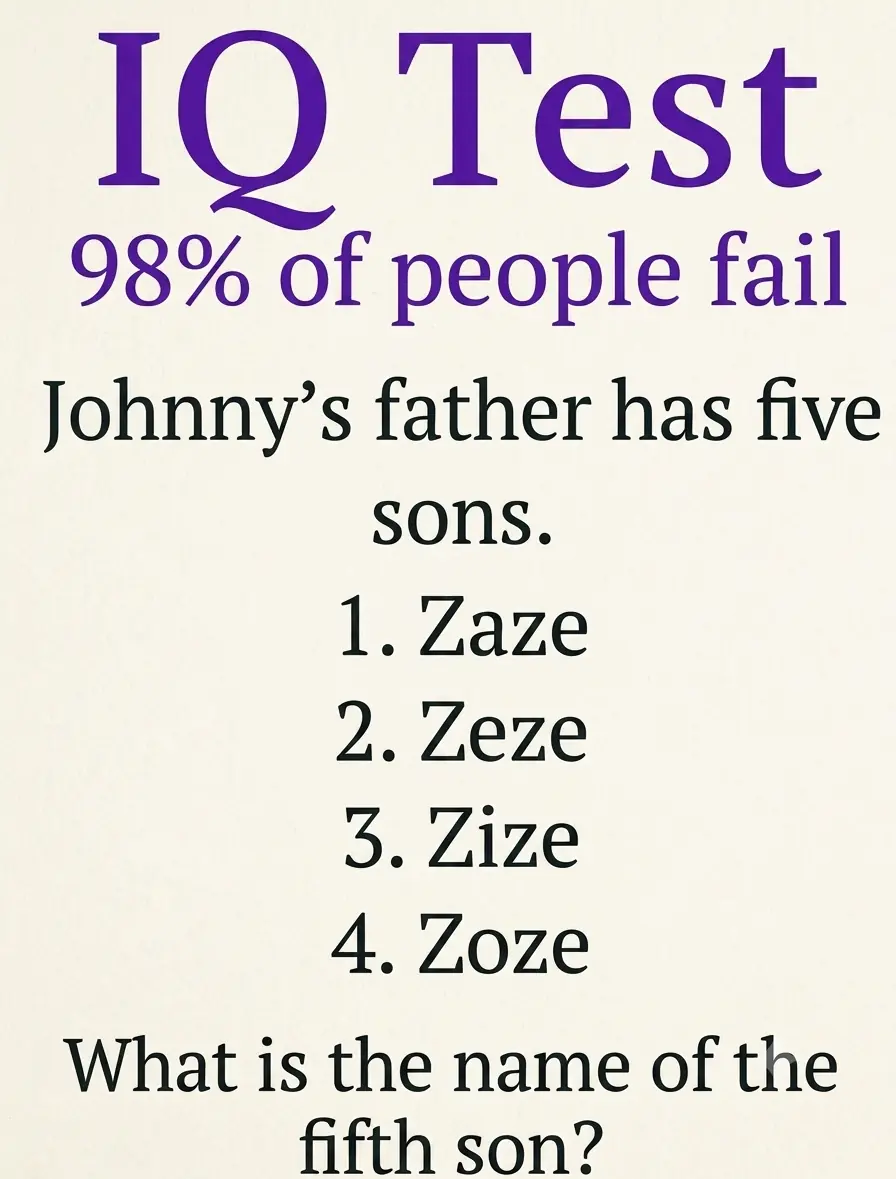
IQ Test: What is the name of the fifth son?

What Does Your Sitting Position Say About Your Personality
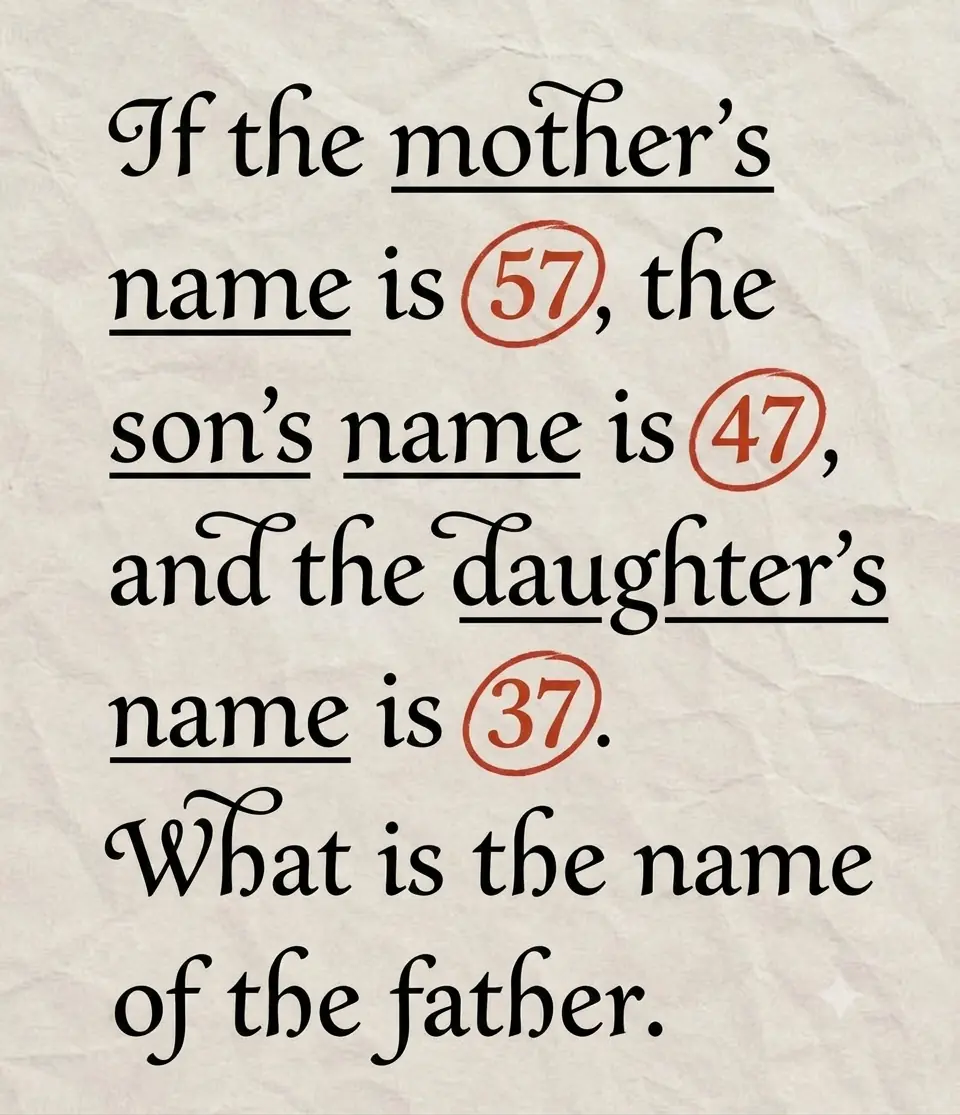
What is the name of the father?

Pick Your Throne: A Fun Little Guide to Your Inner Weirdness