How to get rid of urinary tract infections completely naturally according to science
Tips 03/12/2025 14:59
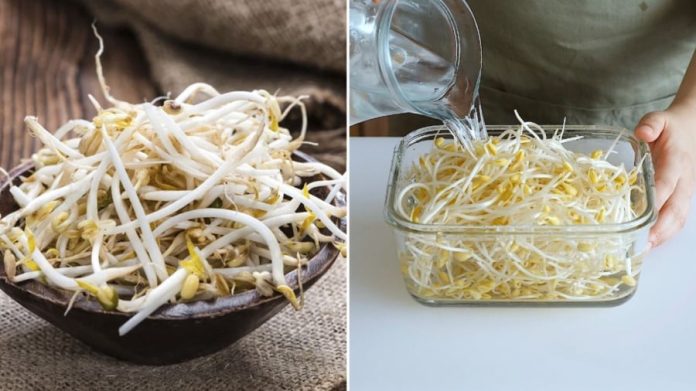
Recently, authorities inspected six production facilities in Buon Ma Thuot City and confiscated 20 tons of bean sprouts soaked in the banned substance 6-benzylaminopurine. This incident has drawn widespread public concern. The chemical, commonly known as BAP, is used to stimulate rapid growth and improve the appearance of bean sprouts, but it poses significant health risks. Excessive consumption can potentially lead to severe health complications and even threaten human life.
According to VnExpress, Dr. Vu Thi Tan, a chemistry lecturer at Hanoi University of Science and Technology, explained that traditional folk methods can help consumers distinguish between chemically soaked bean sprouts and naturally grown ones. Sprouts treated with chemicals are usually short, thick, unnaturally white, lack roots, and break easily. In contrast, bean sprouts grown by traditional soaking and rinsing techniques tend to have longer, slender stems, abundant roots, and are firmer and harder to snap.
The growth stimulant most commonly used in illegal sprout production is 6-benzylaminopurine (BAP). This substance dissolves poorly in neutral or acidic water but dissolves much more effectively in alkaline solutions. Because of this characteristic, consumers can reduce chemical residue by washing or soaking bean sprouts in alkaline liquids such as baking soda water, limewater, or other high-alkaline solutions. These liquids help neutralize and remove traces of BAP from the surface of the sprouts.
Among these options, baking soda is considered the safest and easiest to use. It is widely used in household food cleaning because it is mild and non-toxic. To clean bean sprouts, you can mix 2–3 teaspoons of baking soda with 2 liters of water and soak the sprouts for about 20 minutes. After soaking, simply rinse them thoroughly under clean, running water.
Despite these precautions, the best method remains choosing certified safe bean sprouts or growing them at home. Bean sprouts are highly nutritious and extremely easy to make without specialized tools. You can sprout beans using simple materials such as sand buckets, milk cartons, or mesh bags. The beans only need regular rinsing, good ventilation, and protection from direct sunlight. Under typical conditions, you can harvest fresh bean sprouts in just 3–4 days. Green mung beans sprout faster than soybean varieties, making them a popular choice for home cultivation.
Bean sprouts can be stored in the refrigerator for short-term use and incorporated into a wide range of dishes, including stir-fries, soups, pickled salads, spring roll fillings, and hotpot dipping plates. Many people also enjoy eating raw bean sprouts as a fresh garnish. However, raw sprouts may carry harmful microorganisms if not handled properly. For safety, always wash them thoroughly and consider lightly blanching them if you have a sensitive digestive system or are preparing food for children, the elderly, or pregnant women.