Without a drop of chemicals, the whole vegetable garden suddenly grew big, thanks to this simple thing.
Tips 03/12/2025 14:13
Urinary tract infections (UTIs) are among the most common bacterial infections, especially in women. They can cause symptoms such as burning during urination, frequent urges to urinate, pelvic discomfort, and cloudy or strong-smelling urine. While antibiotics are the primary and most reliable treatment for UTIs, scientific research has also explored several natural methods that may help support the body in preventing or easing mild symptoms. These approaches should never replace medical care, but they can complement healthy habits and reduce the likelihood of developing recurrent infections.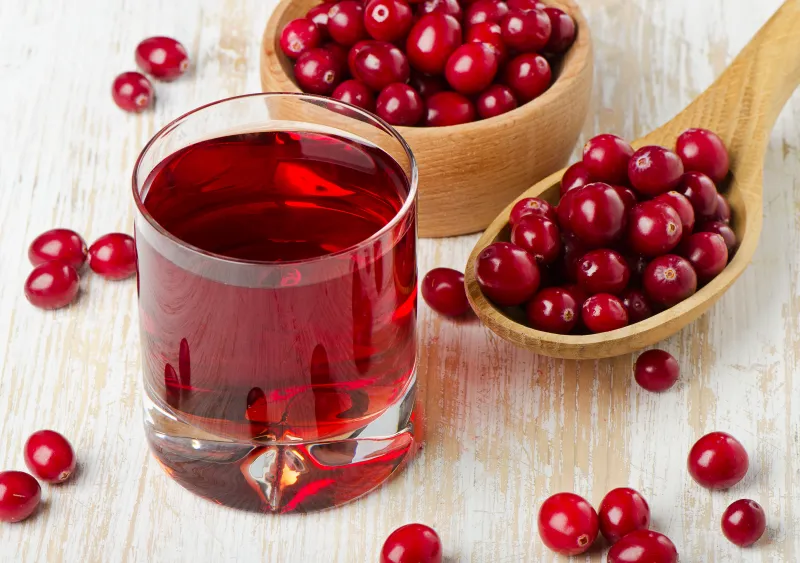
One of the best-documented natural supports is drinking plenty of water. Hydration helps dilute urine and encourages more frequent urination, which can flush bacteria out of the urinary tract before they multiply. Several studies have shown that women who increase their daily water intake have fewer recurrent UTIs. This simple habit helps maintain a healthy flow of urine and may relieve discomfort in early mild cases.
Another well-studied natural remedy is cranberry products. Cranberries contain compounds called proanthocyanidins, which are believed to help prevent bacteria—particularly E. coli—from attaching to the walls of the urinary tract. While cranberries do not “cure” an active infection, scientific reviews suggest they can play a role in reducing recurrence, especially in people who suffer from frequent UTIs. Unsweetened cranberry juice or cranberry extract supplements are the most commonly used forms. However, effectiveness varies, and quality differs among brands, so results are not guaranteed.
A growing area of interest is the role of probiotics, particularly Lactobacillus species. These beneficial bacteria may help restore balance in the urinary and vaginal microbiome. When the natural balance of microorganisms is preserved, harmful bacteria are less able to grow and spread. Some studies indicate that probiotic use may lower the risk of recurring UTIs. Eating fermented foods such as yogurt, kefir, kimchi, or taking probiotic supplements may support overall urinary health, though individual responses vary.
Another natural approach is D-mannose, a type of sugar found in fruits like apples and cranberries. Some clinical research suggests that D-mannose may help block bacteria from attaching to the bladder lining in a similar way to cranberry compounds. Many people use D-mannose powder or capsules as a preventive measure. While early studies are promising, D-mannose should still be used cautiously, especially by individuals with diabetes or those who need to monitor sugar intake.
Lifestyle habits also play an important role. Good hygiene practices, such as wiping from front to back, avoiding harsh soaps in the genital area, and urinating after sexual activity, can significantly reduce the chance of bacterial contamination. Wearing breathable cotton underwear and avoiding tight clothing can help keep the area dry, limiting bacterial growth. For some people, reducing bladder irritants—like caffeine, alcohol, and spicy foods—may ease discomfort during mild symptoms.
Despite these natural methods, it is essential to understand that science does not support the idea that UTIs can always be cured naturally. Once a UTI becomes established, antibiotics are usually the most effective treatment. Untreated infections can spread to the kidneys, leading to serious complications. Therefore, if someone experiences fever, back pain, vomiting, blood in the urine, or symptoms lasting more than a couple of days, professional medical evaluation is necessary.
In summary, natural approaches such as hydration, cranberry products, probiotics, and D-mannose may support urinary health and reduce recurrence, according to scientific research. However, they are best seen as complementary tools—not replacements for medical care. Listening to the body, maintaining good hygiene, and seeking timely treatment remain the safest and most effective ways to manage UTIs.