Unexpected Triggers of Hives: What Your Skin Might Be Trying to Tell You
Health 03/04/2026 08:49
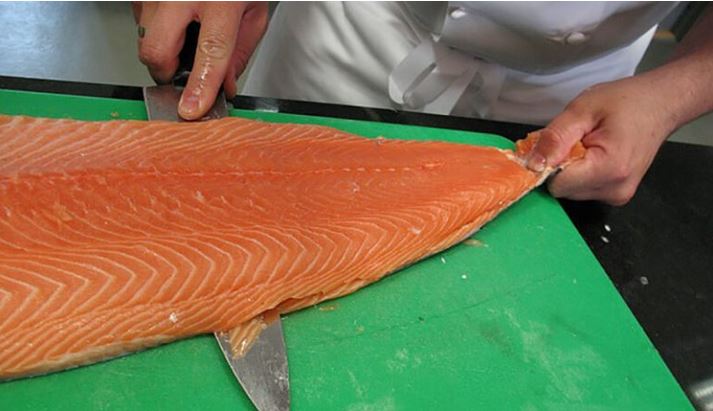
A newly published study from the U.S. Centers for Disease Control and Prevention (CDC) has revealed that Alaskan salmon may be infected with the Japanese broad tapeworm—a parasite once believed to occur only in fish from Asia.
CDC researchers analyzed 64 wild salmon from five species caught off Alaska. They found Diphyllobothrium nihonkaiense (Japanese broad tapeworm) larvae—measuring up to 8–15 mm—in samples of pink salmon. Their findings suggest that salmon harvested anywhere along the Pacific coast of North America or Asia may carry the parasite, especially when consumed raw or undercooked.
Four species of Pacific salmon can act as hosts:
Chum salmon (Oncorhynchus keta)
Masu salmon (O. masou)
Pink salmon (O. gorbuscha)
Sockeye salmon (O. nerka)
Dishes such as sushi, sashimi, gravlax, and ceviche significantly increase the risk of infection if the fish is not properly frozen or cooked. Fish stored on ice—but not frozen—may still carry live tapeworm larvae.
The Japanese broad tapeworm can grow up to 30 feet long inside the human digestive tract. Symptoms vary widely:
Possible symptoms include:
Abdominal pain
Diarrhea or gas
Unexplained weight loss
Fatigue
Anal itching
Vitamin B12 deficiency
Itchy red rash
Some infected individuals experience no symptoms at all. In severe cases, a large tapeworm can cause intestinal blockage or gallbladder inflammation.
Diagnosis is typically made through a stool test, and treatment involves prescription antiparasitic medication.
While salmon is widely celebrated for its omega-3 fats and health benefits, not all salmon is created equal. Research suggests that farmed salmon carries more contaminants, additives, and antibiotics compared to wild salmon.
Studies published in Environmental Health Perspectives and other journals show farmed salmon contains higher levels of:
Persistent organic pollutants (POPs)
Polychlorinated biphenyls (PCBs)
Dioxins
These chemicals have been associated with:
Increased cancer risk
Obesity
Type 2 diabetes
Hormone disruption
Immune dysfunction
Some research suggests you should not eat farmed salmon more than once per month depending on origin.
Crowded aquaculture pens lead to rapid spread of disease, prompting heavy antibiotic use. These antibiotics can promote antibiotic-resistant bacteria and enter the human food chain.
Wild salmon, by contrast, are not treated with antibiotics.
Wild salmon get their red color from eating krill and plankton rich in astaxanthin. Farmed salmon, fed grain-based pellets, are naturally grey. They are dyed with synthetic pigments to appear pink.
Comparison per 100 grams:
Farmed salmon contains more calories and three times more saturated fat
Wild salmon contains up to 8× more vitamin D and 3× more vitamin A
Wild salmon: deep red color, thin white fat lines, lean texture
Farmed salmon: lighter pink/orange, thicker fat lines, softer texture
“Atlantic salmon” is almost always farmed.
Wild salmon is the superior nutritional and environmental choice—higher in vitamins, lower in contaminants, and free from artificial additives and antibiotics.
Farmed salmon still contains beneficial omega-3s, but should be eaten in moderation due to higher levels of pollutants.
When dining out, assume the salmon is farmed unless the menu specifically states “wild.”