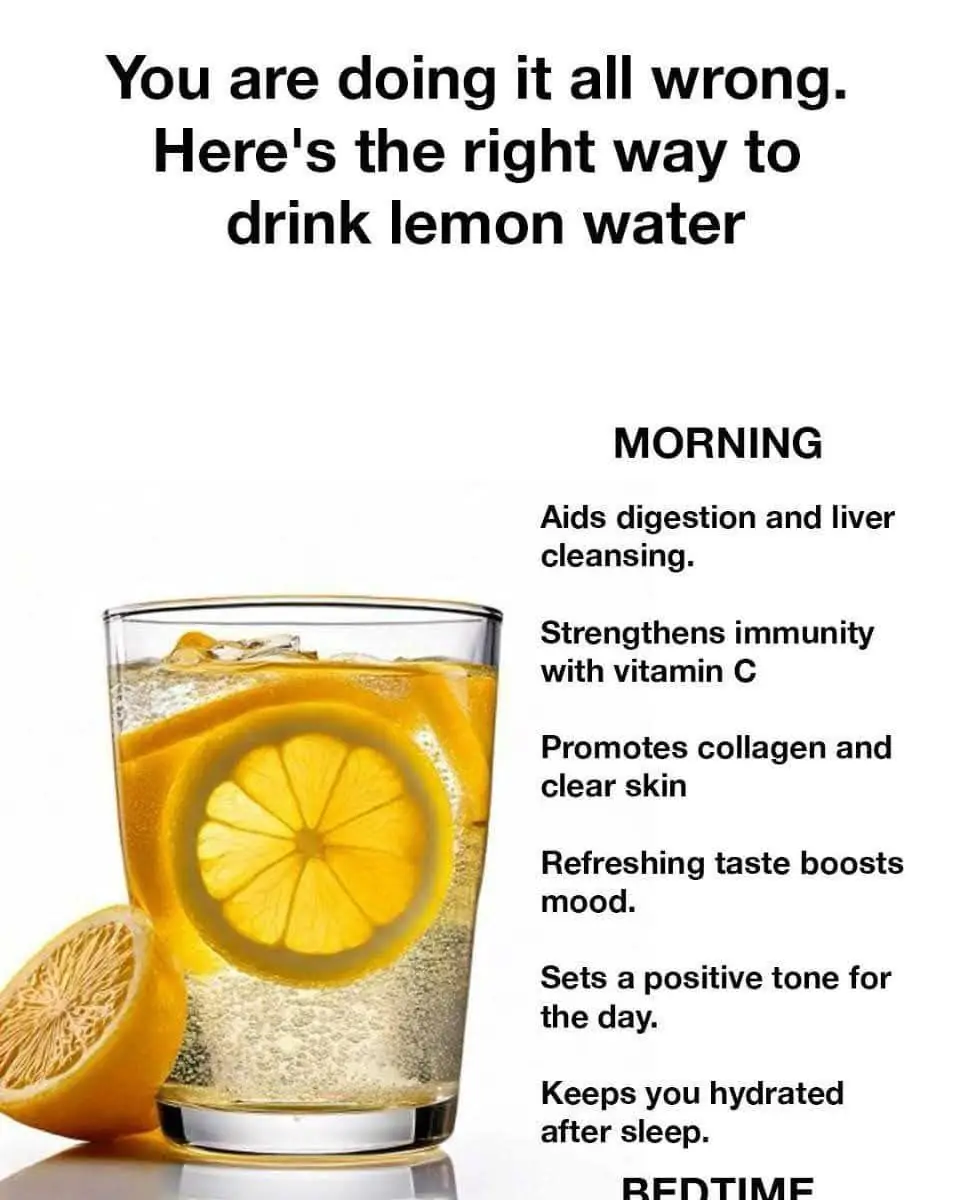
Lemon Water: Separating Myths from Facts
Tips 02/04/2026 11:35
It seems like a harmless habit. You take frozen chicken out of the freezer, leave it on the kitchen counter, and wait for it to thaw before cooking.
Simple, right?
But what most people don’t realize is that this everyday shortcut could actually put your health at risk. In fact, food safety experts warn that this is one of the most common — and dangerous — mistakes people make in the kitchen.
When you leave frozen chicken out at room temperature, it doesn’t thaw evenly.
The outside begins to warm up quickly, while the inside remains frozen. This creates the perfect condition for bacteria to grow — something experts call the “danger zone.”
This temperature range (roughly 40°F to 140°F) is where harmful bacteria like Salmonella and E. coli multiply rapidly.
Even worse, the surface of the chicken — where bacteria are most likely to exist — heats up first. That means bacteria can start growing long before the chicken is fully thawed.
So while it may look like your chicken is simply defrosting, something much more dangerous could be happening.
Food safety guidelines are very clear:
Once bacteria multiply, cooking may not always fully eliminate the risk — especially if toxins have already formed.
That means even if you cook the chicken thoroughly later, you might still expose yourself to foodborne illness.
Let’s be honest — most people don’t intentionally take risks in the kitchen.
This mistake happens because:
But that’s exactly what makes it dangerous.
Food poisoning doesn’t happen every time — but when it does, it can be severe, especially for children, older adults, and people with weaker immune systems.
Leaving chicken out doesn’t just affect the meat itself.
As it thaws, juices from raw chicken can spread bacteria to:
This process is called cross-contamination, and it’s one of the leading causes of foodborne illness.
Even a small amount of contaminated liquid can transfer bacteria to other foods — especially those that won’t be cooked.
The good news is that there are safe and effective ways to thaw chicken without putting your health at risk.
This is the method recommended by experts.
This keeps the meat out of the “danger zone” and prevents bacterial growth.
If you’re short on time:
This method is safe because it keeps the temperature low while speeding up the thawing process.
You can also use a microwave to defrost chicken, but there’s a catch:
That’s why experts recommend cooking the chicken immediately after microwaving.
To stay safe, avoid these common mistakes:
🚫 Leaving chicken on the counter
🚫 Using warm or hot water to thaw
🚫 Letting chicken sit out overnight
🚫 Refreezing chicken thawed at room temperature
These habits significantly increase the risk of bacterial growth and food poisoning.
The safest methods require one thing many people forget: time.
Taking chicken out of the freezer a day in advance might feel inconvenient — but it’s one of the simplest ways to protect your health.
Think of it this way:
👉 A little planning can prevent a big problem later
To reduce risk even further:
These small habits can make a huge difference.
Defrosting chicken may seem like a minor step in cooking — but it plays a major role in food safety.
What feels like a quick shortcut can actually create the perfect conditions for harmful bacteria to grow.
The truth is simple:
👉 It’s not just about cooking chicken properly — it’s about handling it safely from the start.
By avoiding this one common mistake and using safer methods, you can protect yourself and your family from unnecessary risks.