Robot 'Kidnaps' Fellow Machines at Shanghai Exhibition, Sparking Debate on AI Autonomy and Labor Rights
Facts 13/12/2025 00:19
Denmark Proposes Groundbreaking Copyright Law to Protect Citizens' Likeness from AI Deepfakes
Denmark is at the forefront of a revolutionary move in digital privacy and copyright law. The country has recently proposed a groundbreaking copyright law that would allow citizens to legally own their face, voice, and body in the digital space. This bold step is designed to address the growing concerns surrounding the misuse of artificial intelligence (AI) technology, particularly in the creation of deepfake content.
Deepfakes, which use AI algorithms to create hyper-realistic videos or audios that mimic an individual’s appearance and voice, have become increasingly prevalent in recent years. While the technology has its uses in entertainment and satire, it has also been exploited for harmful purposes, such as spreading misinformation, creating fake pornographic material, and even committing identity theft.
To tackle these growing threats, Denmark’s new proposal aims to criminalize the creation or sharing of deepfakes without the explicit consent of the individual being portrayed. Under this new law, anyone who generates or distributes deepfakes featuring a person’s likeness — including their face, voice, and body — without permission could face removal orders and fines.
The law also aims to strike a delicate balance by allowing parody and satire to continue, recognizing the importance of artistic expression and free speech. The goal is to protect people from being manipulated or exploited while still preserving the ability for humor, critique, and social commentary in digital media.
The central aim of this law is to safeguard individuals from identity theft, manipulation, and non-consensual use of AI-generated content. As deepfake technology becomes more sophisticated, the ability to create convincing fake media is increasingly accessible to anyone with a computer. This has led to growing concerns about its use in cyberbullying, harassment, and even political manipulation.
By legally treating citizens' faces, voices, and bodies as intellectual property, Denmark would give people greater control over their own likenesses, allowing them to protect themselves from potential harm. The law also sets a global precedent for how societies might regulate the digital use of personal data in the age of artificial intelligence.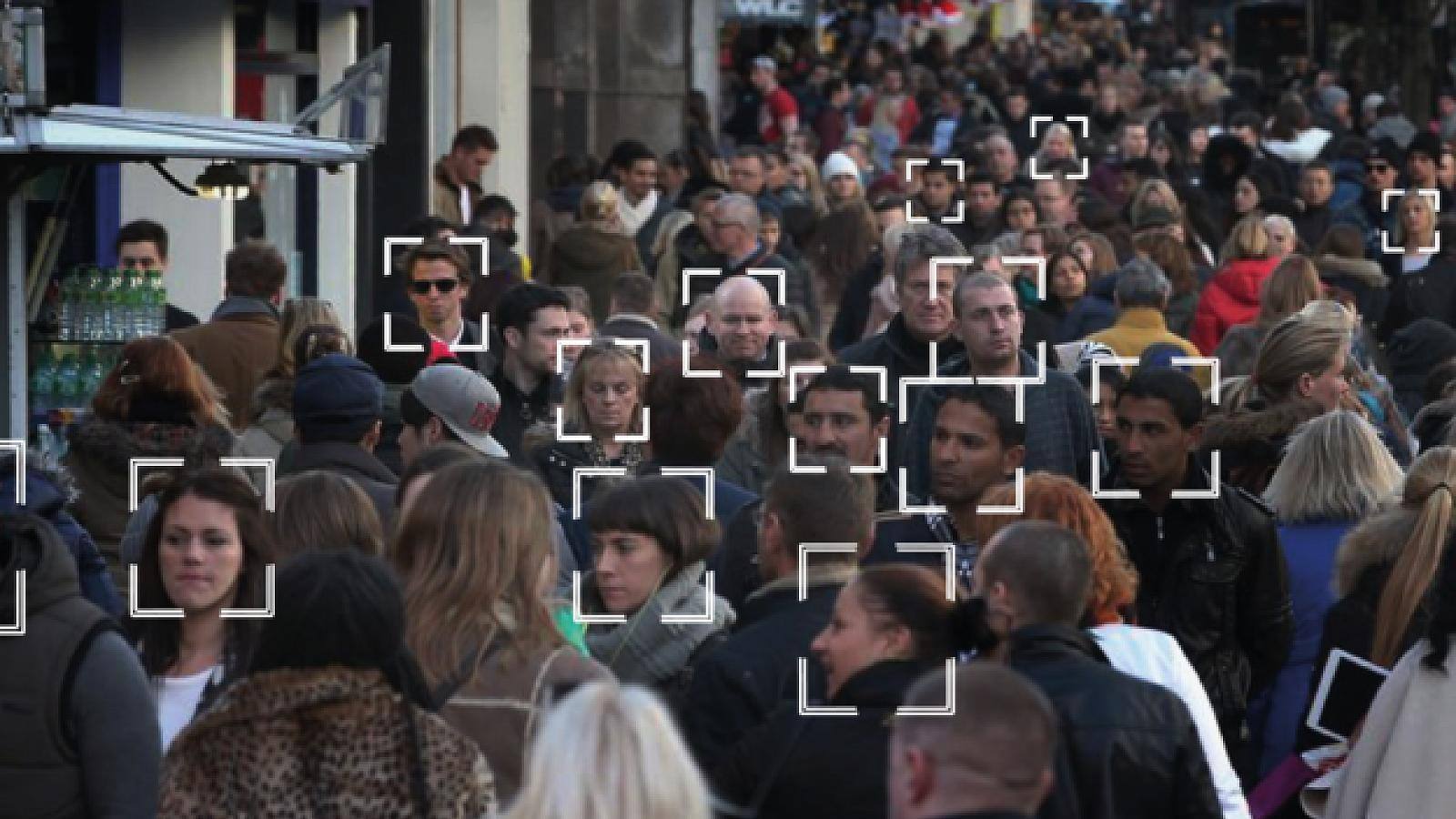
This proposal could have significant implications for the wider European Union and beyond. If passed, Denmark would become the first country to formally recognize personal likeness as intellectual property, a move that could influence similar legislative actions across Europe and other parts of the world. Such a law would align with global efforts to enhance digital privacy and protect individuals' rights in the digital landscape.
If successful, Denmark’s approach could serve as a model for other countries grappling with similar issues related to digital identity and AI technology. European Union member states, which are already leading the way in data protection and privacy regulations with laws like the General Data Protection Regulation (GDPR), might look to Denmark as an example for further regulation in the digital realm.
Experts believe this law could trigger a broader conversation about digital rights, including the ownership and control of personal data. As AI continues to evolve, the need for robust frameworks to manage how people’s personal information is used — especially in the creation of synthetic media — will only grow.
While Denmark's proposed law is seen as an innovative step, it also raises important legal and ethical questions about the ownership of digital identities. If passed, the law could set a precedent for how countries handle not only deepfakes but also the broader implications of AI-generated content. It will also likely require careful consideration of issues surrounding the ethical use of AI, freedom of expression, and the potential for misuse of intellectual property laws.
There is also the potential for technical challenges in identifying and regulating deepfakes. As the technology improves, it becomes increasingly difficult to distinguish between genuine content and AI-generated manipulations. This means that the success of the proposed law will depend on the development of effective detection tools and enforcement mechanisms.
The introduction of such a law highlights the growing importance of digital rights and the need for legal frameworks to adapt to new technologies. It is likely that in the coming years, more countries will begin to explore how best to regulate the use of personal data in the digital space, particularly in relation to AI.
Denmark's move is a significant step forward in protecting citizens’ digital identities. If other countries follow suit, we could see the creation of a global framework that ensures people’s faces, voices, and bodies are protected from exploitation by emerging technologies.
This proposal raises an important question for individuals and policymakers worldwide: should citizens have legal ownership of their likenesses in the digital world? In light of the growing concerns over privacy and AI manipulation, Denmark's approach could provide a meaningful solution to protecting people's rights in the digital era.
As deepfake technology continues to advance, the need for protective legal measures is becoming increasingly urgent. Would you support a similar law in your country? The outcome of this legal experiment in Denmark could influence the future of digital privacy and intellectual property rights worldwide.