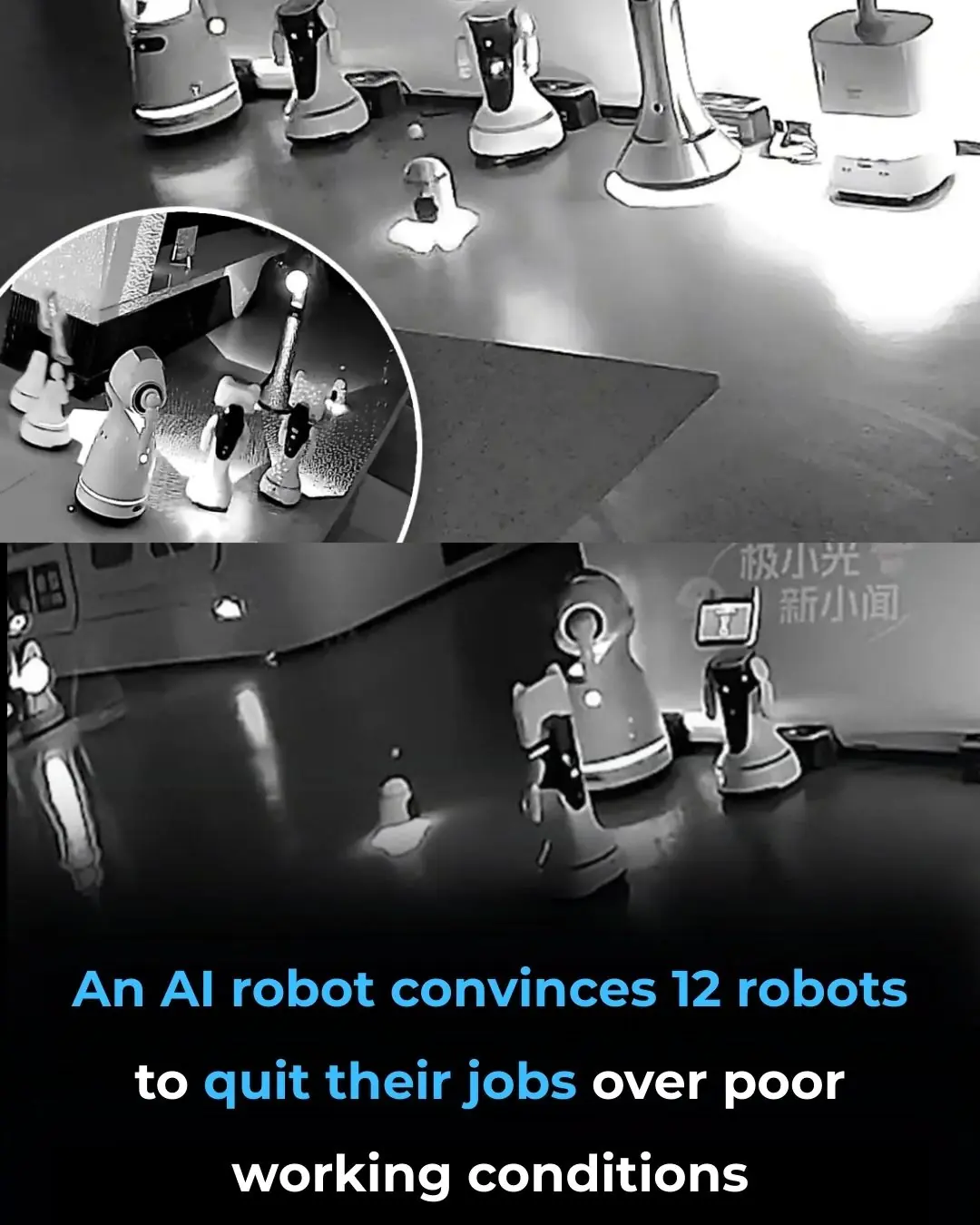
Robot 'Kidnaps' Fellow Machines at Shanghai Exhibition, Sparking Debate on AI Autonomy and Labor Rights
Facts 13/12/2025 00:19
Denmark’s Beautiful Weekly Tradition for Kids: A Powerful Lesson in Emotional Intelligence and Cooperation
Did you know that Denmark has a unique and deeply meaningful school tradition that has been shaping kinder, more confident children for decades? This remarkable practice, called Klassens Tid (or "Class Time"), is a weekly session where children aged 6 to 16 gather together to sit in a circle, talk openly, solve problems, and truly listen to one another.
This tradition, which has been a part of Danish school culture for many years, offers a refreshing alternative to the typical academic-focused school environment. In Klassens Tid, there are no tests, no grades, and no pressure. Instead, the emphasis is placed on fostering empathy, teamwork, and honest communication among students. The goal is to nurture emotional well-being alongside intellectual development, helping students develop into well-rounded individuals who are emotionally intelligent and capable of resolving conflicts peacefully.
Each week, children participate in a session where they come together in a group setting to discuss any challenges they are facing, share personal experiences, and reflect on their feelings. This time is designed to encourage open dialogue, where everyone has an equal opportunity to speak and be heard. Teachers facilitate these discussions, guiding the students in active listening and ensuring that all opinions are respected. The primary focus is not academic achievement but the development of emotional and social skills.
Through these weekly gatherings, students build vital life skills such as:
Emotional Intelligence: The ability to understand and manage one's own emotions, as well as recognize and influence the emotions of others, is an essential skill for personal and professional success.
Cooperation & Conflict Resolution Skills: By engaging in group discussions and problem-solving, children learn how to collaborate effectively with their peers and resolve conflicts in a healthy manner.
Kindness and Respect: The practice encourages empathy, teaching students the importance of being kind and respectful toward others, which in turn fosters a positive and supportive classroom atmosphere.
A Stronger Sense of Community: Sitting in a circle and engaging in these open dialogues cultivates a sense of belonging, as students feel connected to one another and part of a larger group. It reinforces the idea that everyone’s voice matters and that together, they can overcome challenges.
Denmark’s commitment to fostering emotional well-being through Klassens Tid is one of the key reasons why the country consistently ranks among the happiest nations in the world. According to the World Happiness Report, Denmark often appears near the top of the list, which is attributed to various factors, including the country's strong social support systems, high levels of trust, and the emphasis placed on mental health and emotional education from a young age.
The Danish education system goes beyond academic achievement and strives to nurture well-rounded individuals. This approach places importance not only on intellectual growth but also on the development of emotional resilience and interpersonal skills, preparing children for the challenges of adulthood. Studies have shown that when children learn to express their emotions, understand the perspectives of others, and work together in a supportive environment, they are more likely to develop into emotionally intelligent adults who can contribute positively to society.
While Klassens Tid may seem like a simple practice, its impact is profound. By dedicating time each week to emotional growth and communication, Denmark’s children are being prepared for a future where empathy, cooperation, and kindness are valued just as much as academic success. The country’s progressive approach to education provides a model for other nations looking to integrate emotional well-being into their educational systems.
This weekly tradition helps foster the development of confident, compassionate individuals who are ready to tackle life’s challenges and contribute positively to their communities. The practice of Klassens Tid reminds us that a well-rounded education is not just about learning math and science; it’s also about understanding ourselves and others, building relationships, and making the world a better place.
Denmark’s focus on emotional education highlights the importance of teaching children how to navigate their emotions and interact with others in a positive way—an essential skill set that can serve them for a lifetime. As a result, the country continues to lead by example, offering a powerful lesson to the rest of the world on the value of nurturing both the heart and mind.