
Throwing away desiccant packets is wasteful: Their surprising uses that many people don't know about.
Tips 24/01/2026 20:22
Bell peppers are not only delicious but also packed with nutrients. However, like any food, consuming them frequently has both benefits and a few possible downsides for certain individuals. Here’s a detailed look at what bell peppers can do for you.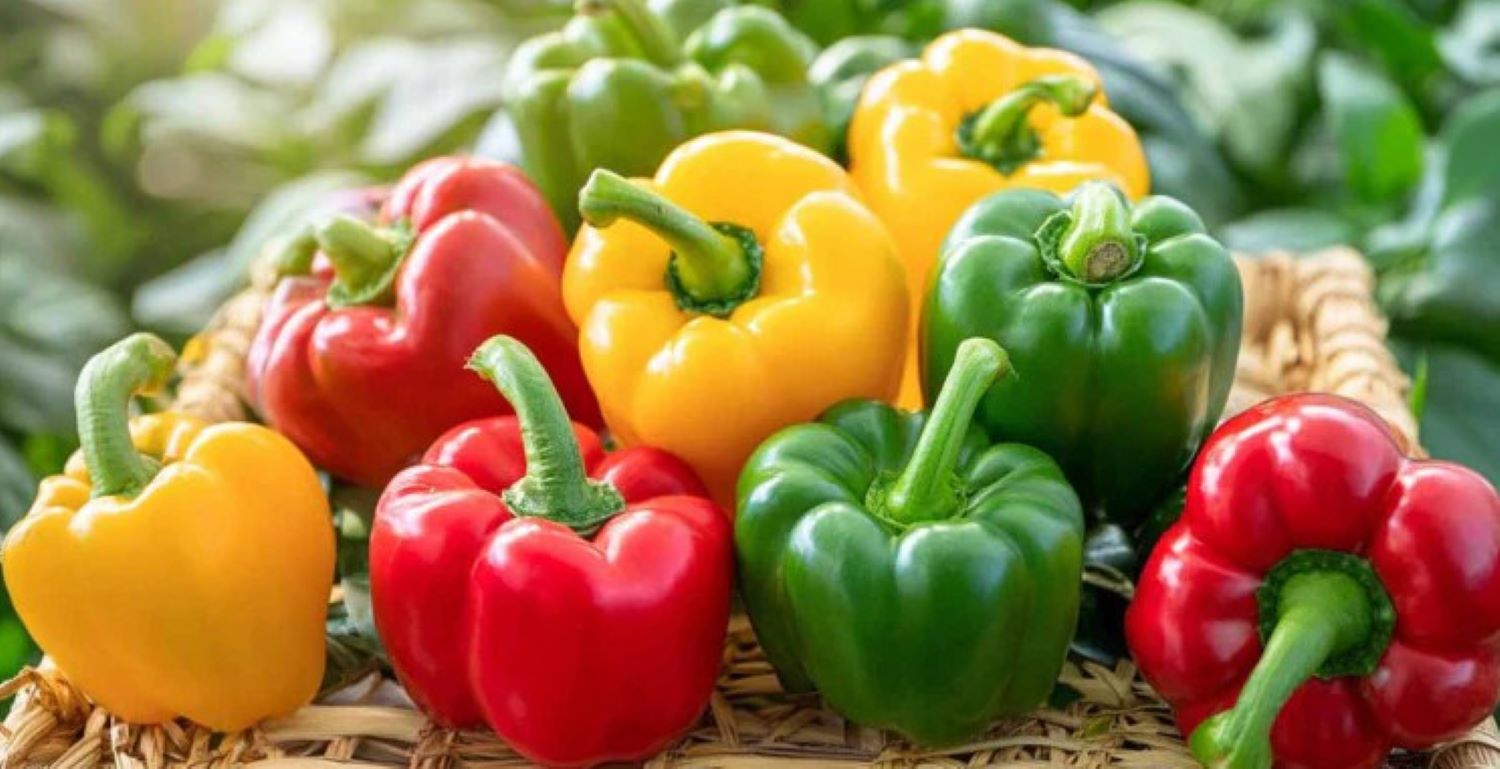
Eating bell peppers regularly boosts your intake of vitamin C, vitamin A (in the form of beta-carotene), folate, and antioxidants like lutein and zeaxanthin.
Why: A single medium-sized red bell pepper contains more vitamin C than an orange and is rich in carotenoids, which support eye health and immune function.
Result: You’ll experience better immune support, improved skin and eye health, and increased antioxidant protection against cell damage. These benefits are particularly valuable in preventing age-related vision problems and enhancing skin elasticity.
Bell peppers are also high in vitamin C, which can help your body absorb non-heme iron (found in plant-based foods like beans and spinach).
Why: Vitamin C plays a crucial role in converting iron to a more absorbable form.
Result: This is particularly helpful for vegetarians, vegans, or anyone mildly iron-deficient, as it boosts iron levels without relying on animal-based sources.
Bell peppers are low in calories but rich in fiber, making them an excellent food for supporting digestion and weight management.
Why: The high water and fiber content of bell peppers help you feel full without adding many calories to your diet.
Result: Regular consumption of bell peppers can aid in weight management and improve bowel health, as fiber promotes regularity and digestive comfort.
Despite their many benefits, bell peppers can sometimes cause digestive discomfort, especially when eaten raw.
Why: The skins contain cellulose and other fibers that can be tough to break down. Additionally, bell peppers are part of the nightshade family, containing small amounts of alkaloids that can irritate sensitive individuals.
Result: People with IBS (Irritable Bowel Syndrome), sensitive stomachs, or conditions like GERD (gastroesophageal reflux disease) may experience bloating, gas, stomach pain, or heartburn when consuming raw bell peppers.
While true allergies to bell peppers are uncommon, they can occur, and some individuals may experience reactions like itching, swelling, or hives.
Why: This is due to the body’s immune response to proteins found in bell peppers.
Result: If you suspect an allergy, especially oral allergy syndrome (itching in the mouth or throat due to cross-reactivity with pollen), it’s important to avoid bell peppers and seek medical advice.
Bell peppers are generally safe to consume alongside most medications, but they are low in vitamin K, so they don’t interfere with blood thinners the way leafy greens might.
Why: They do not have a significant effect on clotting factors, making them safe for most individuals on blood thinners.
Result: However, if you're on multiple medications or dealing with a complex medical condition, it’s always best to check with your healthcare provider.
Eating 1–2 medium bell peppers per day is generally safe for most individuals, providing a generous amount of vitamin C and fiber without overdoing it.
Cooking bell peppers (through roasting, sautéing, or steaming) can soften the skin and fiber, making them easier to digest while also reducing the likelihood of digestive upset. Note that vitamin C is heat-sensitive, so raw peppers provide the highest amount of vitamin C.
If you have digestive sensitivities, peeling the skin of bell peppers can help remove some of the indigestible fiber, often improving tolerance.
It’s beneficial to use a variety of bell peppers (red, yellow, orange, and green). Red and orange peppers are higher in carotenoids, while green peppers are less sweet but still provide excellent nutritional value.
Bell peppers can carry pesticide residues on their skin, so it’s essential to wash them thoroughly before eating. Choosing organic bell peppers can also reduce exposure to pesticides.
To maintain their freshness and nutrient content, store bell peppers in the fridge’s crisper drawer. Use them within a week for the best texture and nutritional value.
If you have GERD or acid reflux: Avoid large portions of raw peppers, especially with other reflux triggers like tomato-based sauces or spicy foods. Raw peppers can sometimes worsen heartburn.
If you have nightshade sensitivity or arthritis flare-ups: Nightshades (like tomatoes, potatoes, and peppers) may trigger symptoms in some individuals. If you suspect this is the case, avoid bell peppers and consult with your doctor about an elimination diet.
If you have a pollen-related oral allergy: If you experience itching in your mouth or throat after eating raw bell peppers, try cooked versions instead, as heat may help reduce allergic reactions.
With iron-rich plant foods (lentils, spinach, beans): Vitamin C enhances the absorption of non-heme iron, making bell peppers a perfect addition to plant-based meals.
With healthy fats (olive oil, avocado, cheese): Fat helps absorb fat-soluble carotenoids like beta-carotene and lutein, which support eye health and act as antioxidants.
Bell peppers are versatile and can be added to salads, stir-fries, salsas, or roasted as a tasty side dish.
Vitamin C: Helps boost the immune system and enhances the absorption of non-heme iron.
Carotenoids (beta-carotene, lutein, zeaxanthin): Act as antioxidants and support eye health by protecting against age-related damage.
Fiber and Water: Contribute to satiety and improved bowel regularity, promoting digestive health.
Cellulose in Skins & Nightshade Alkaloids: Can cause digestive irritation or sensitivity in predisposed individuals.
Aroma Compounds: In some cases, these can trigger histamine-like responses in very sensitive individuals, potentially causing discomfort.
Eat regularly: Aiming for 1–2 peppers per day is a healthy habit for most people.
Balance raw and cooked: Raw peppers are high in vitamin C, but cooking can make them gentler on your stomach.
Peel or cook if needed: If raw peppers cause digestive issues, try peeling them or cooking them to reduce irritation.
Avoid if sensitive: People with documented nightshade sensitivities or allergies should avoid bell peppers.
Consult your doctor: If you have chronic digestive issues, autoimmune disease, or take multiple medications, check with your doctor before making significant dietary changes.