Foods to Eat if You Need to Poop – The Best Natural Laxatives to Relieve Constipation
Health 10/01/2026 22:57
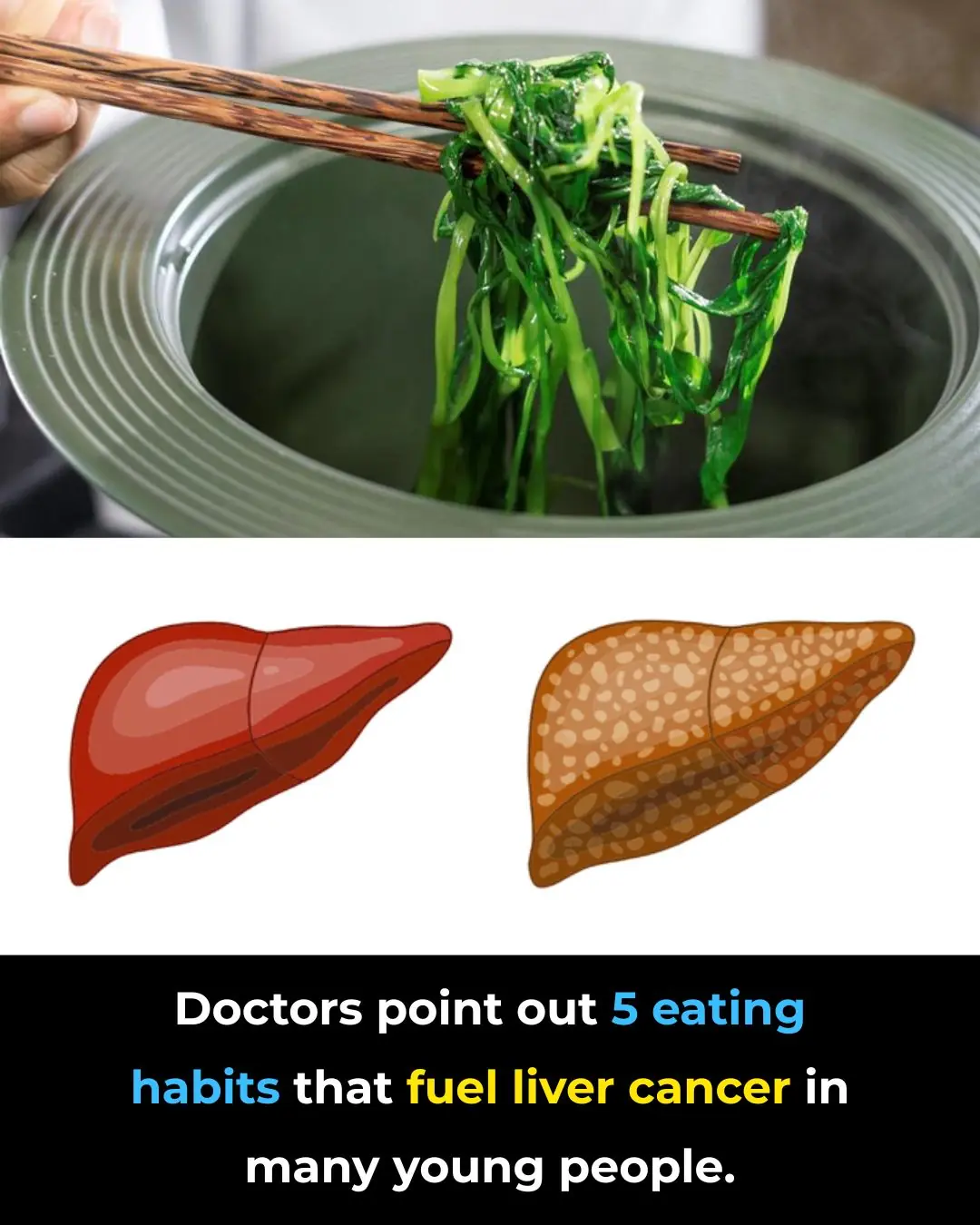
In today’s fast-paced lifestyle, many young people prioritize convenience and speed in their daily meals. However, poorly balanced and unscientific eating habits can silently damage health—especially the liver—forcing many to pay a high price later in life.
Liver cancer is one of the most common cancers in Vietnam, with high rates of new cases and mortality, particularly among men. Alarmingly, the disease is showing a trend toward younger patients. Besides viral hepatitis, unhealthy diets and poor lifestyle choices play a significant role in increasing the risk.
According to medical experts, several common eating habits can significantly raise the likelihood of developing liver cancer.
Grains such as peanuts, beans, corn, and rice can produce aflatoxin when they become moldy. Aflatoxin is a well-known carcinogen, strongly linked to liver cancer. This toxin is not destroyed by normal cooking temperatures. Regular consumption of mold-contaminated foods increases the risk of liver fibrosis and liver cancer.
Advice: Store grains and nuts in dry, well-ventilated places. Discard any food with unusual odors, discoloration, or signs of mold.
Alcohol is a leading cause of alcoholic hepatitis, fatty liver disease, and cirrhosis. When alcohol is metabolized, the liver produces acetaldehyde, a toxic compound that can damage liver cell DNA. Regular drinking overwhelms the liver’s ability to regenerate, gradually leading to cirrhosis and liver cancer.
Health recommendation: Avoid heavy drinking; do not consume more than about three cans of beer or three glasses of wine at one time.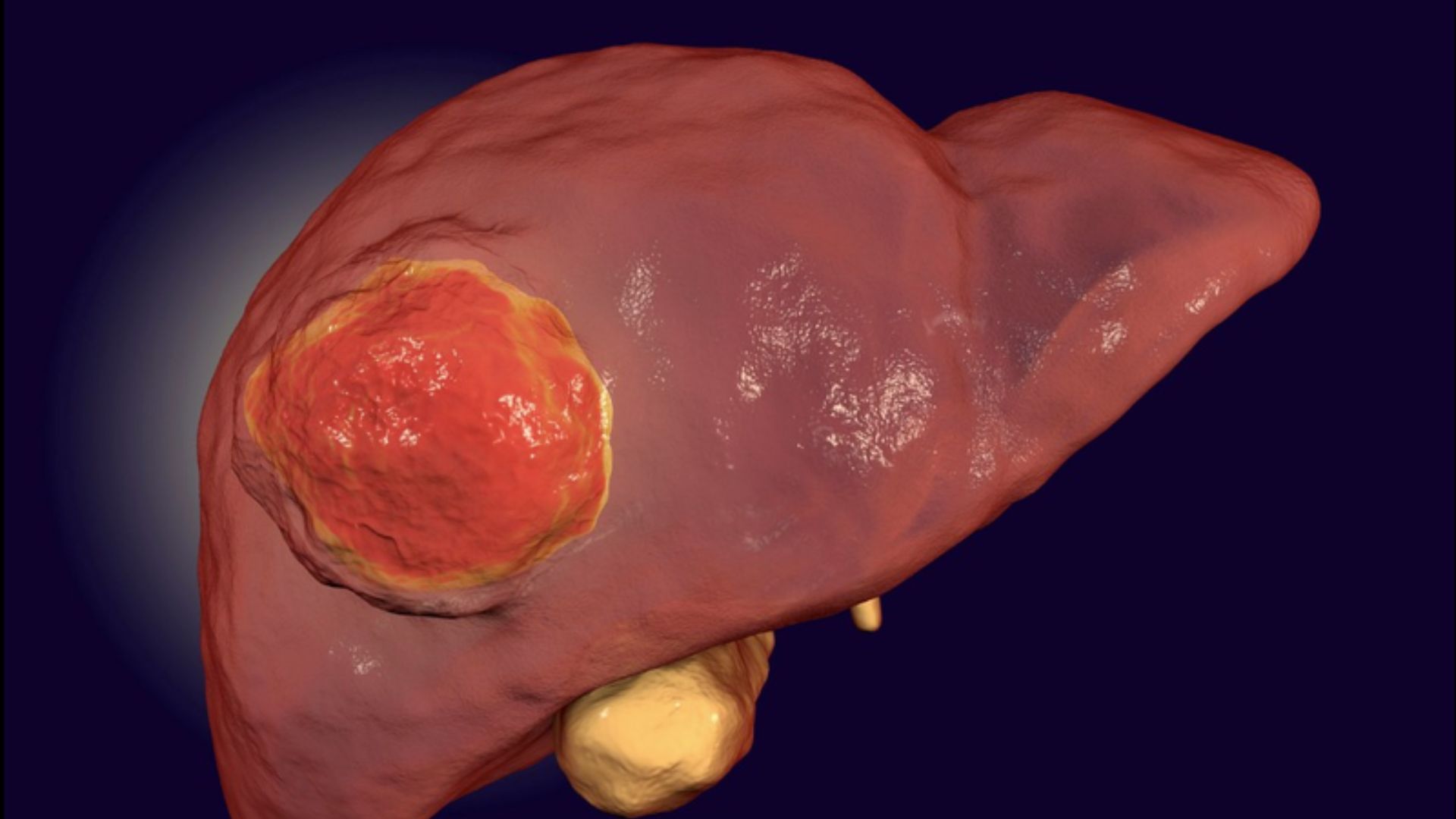
Reusing frying oil is a common habit but poses serious health risks. Reheated oil loses nutritional value and generates harmful compounds, increasing bad fats that contribute to cardiovascular disease, fatty liver, and cancers of the digestive system.
Repeatedly heated oil can also produce acrylamide, a substance classified as carcinogenic. Even frying at moderate temperatures for prolonged periods—especially starchy or sugary foods like fried dough or battered items—can generate toxins.
Young people today tend to consume excessive amounts of meat, especially fried and processed meat. This places a heavy burden on the digestive system, liver, and kidneys, increasing the risk of high blood lipids and fatty liver disease.
National nutrition surveys show that average meat consumption has risen sharply over the past decade, particularly in urban areas. Nutrition experts emphasize that a liver-friendly diet should be diverse and rich in vegetables and fruits.
High meat intake is also associated with a greater risk of chronic non-communicable diseases such as diabetes, cardiovascular disease, and hypertension.
Many people enjoy raw or lightly cooked foods such as fish salads, raw shrimp, or fresh vegetables. However, consuming raw freshwater fish or aquatic vegetables significantly increases the risk of parasitic infections, particularly liver flukes. These parasites can lodge in liver tissue or bile ducts, causing chronic liver damage and increasing cancer risk.
Avoid raw or undercooked foods, especially freshwater fish and aquatic vegetables.
Never consume moldy grains or foods suspected of fungal contamination.
Limit alcohol and beer intake, as they can rapidly destroy liver tissue.
Maintain a healthy, balanced diet: eat a wide variety of foods, increase vegetables and fruits, and avoid reusing cooking oil.
People with existing liver conditions or viral hepatitis should undergo regular medical check-ups as advised by doctors. Even healthy individuals are encouraged to have a liver examination, including ultrasound, every six months to help detect liver diseases early.
A healthy diet and lifestyle are among the most effective ways to protect your liver and reduce the risk of serious diseases such as liver cancer.