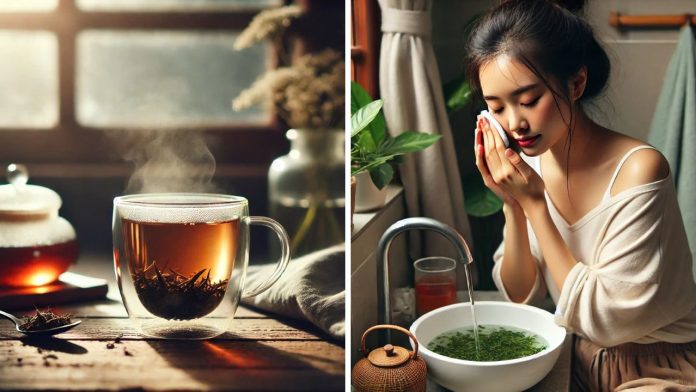
Don't Throw Away Leftover Tea! 5 Clever Ways to Put It to Good Use
A cup of freshly brewed tea is always the most enjoyable, but what about the tea that's left over after several hours or overnight? While it's not the best choice for drinking the next day, leftover tea can still be surprisingly useful around the home.
If the tea has been stored properly, doesn't have an unpleasant smell, and shows no signs of mold, here are five smart ways to give it a second life.
1. Refresh Your Skin Naturally
Leftover tea still contains natural tannins and plant compounds that can help cleanse the skin.
It can be used to:
-
Remove excess oil and impurities
-
Leave your skin feeling refreshed
-
Help reduce the appearance of enlarged pores
-
Provide mild antioxidant support
Simply soak a cotton pad in cooled tea and gently wipe your face after cleansing.
2. Give Your Hair a Healthy Shine
Instead of throwing away yesterday's tea, use it as a final hair rinse.
It may help:
-
Refresh the scalp
-
Wash away excess oil
-
Leave hair softer and shinier
Pour the cooled tea through your hair after shampooing, let it sit for a few minutes, then rinse with clean water.
3. Freshen Up Your Home
Tea can also serve as a gentle, natural cleaner.
Use it to:
-
Wipe wooden furniture
-
Clean tables and countertops
-
Remove light odors from plastic containers
-
Freshen kitchen surfaces
Always test a small hidden area before applying it to delicate finishes.
4. Water Garden Plants
Unsweetened tea contains trace minerals that can benefit certain plants when used occasionally.
For best results:
-
Mix the tea with clean water before using.
-
Apply it in moderation.
-
Avoid using sweetened or flavored tea, which may attract insects.
5. Relax Your Feet
After a busy day, warm leftover tea can make a soothing foot soak.
It may help:
-
Refresh tired feet
-
Minimize unpleasant odors
-
Create a relaxing end to the day
Simply warm the tea slightly and soak your feet for 15–20 minutes.
Should You Drink Tea That's Been Left Overnight?
Experts generally advise against drinking tea that has been sitting overnight, especially if it was left at room temperature.
Over time:
-
Beneficial antioxidants gradually decrease.
-
Bacteria may begin to grow if the tea isn't refrigerated.
-
The flavor becomes stale and more bitter.
-
Sensitive individuals may experience stomach discomfort.
Young children, older adults, and people with digestive or immune system concerns should avoid drinking old tea altogether.
A Few Safety Tips
If you're planning to reuse leftover tea, remember to:
-
Use only tea that still smells fresh and looks normal.
-
Store it in the refrigerator if keeping it overnight.
-
Throw it away immediately if you notice mold, a film on the surface, or an unusual odor.
-
Avoid applying it to irritated or highly sensitive skin.
Leftover tea may no longer be ideal for drinking, but with a little creativity, it can still become a useful part of your daily routine instead of going to waste.
News in the same category


What Happens to Your Body When You Eat Sage? 7 Science-Backed Benefits

Guava: A Nutrient-Packed Superfruit with Remarkable Health Benefits

My nose keeps running nonstop indoors during winter and I am not sick at all. What is causing this?

DIY Turmeric & Ginger Shots to Fight Inflammation, Boost Immunity & Soothe Your Gut

Refrigerator Leaking Water and Not Cooling Properly? Here’s How to Fix It Yourself in Minutes

6 Clever Ways to Use Medicated Oil to Help Keep Mosquitoes Away

How to Drink Black Bean Water for Weight Management and a Healthier Body

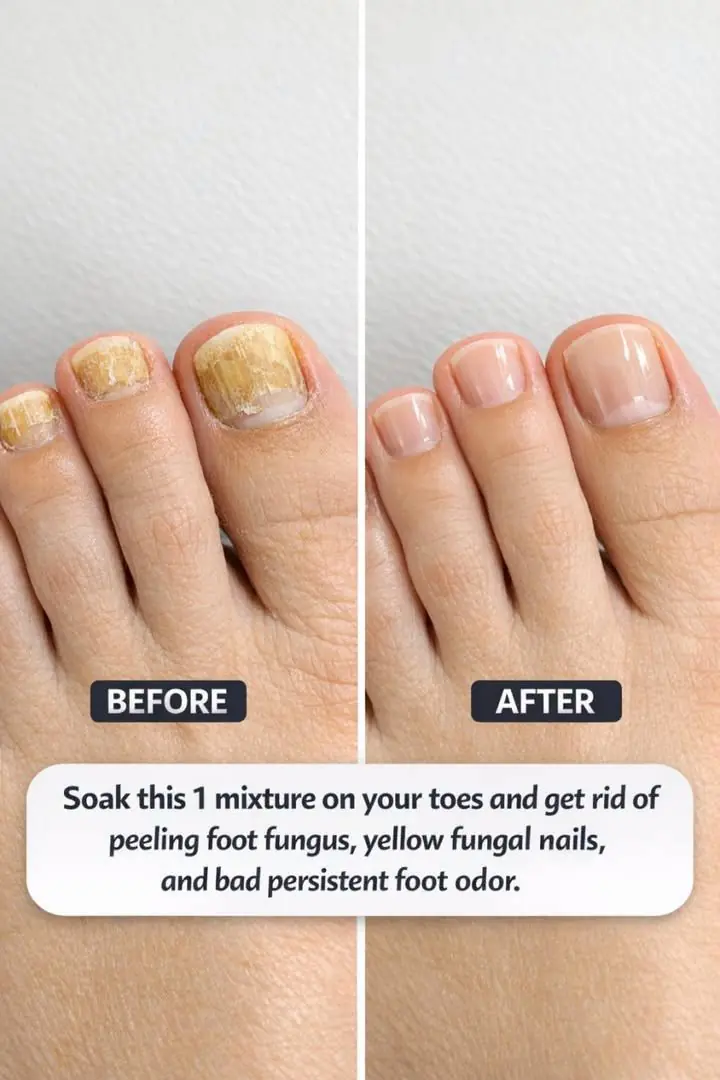
Soak this 1 mixture on your toes and get rid of peeling foot fungus, yellow fungal nails, and bad persistent foot odor.

Place a Few Lemon Slices in Your Refrigerator: A Simple Trick With 4 Surprising Benefits

Boiling Pork the Right Way: Keep It White, Tender, and Odor-Free

Freezer Covered in Ice? Fix It Now Before Your Electricity Bill Soars

Put this 1 trick on your shoulders and get rid of crusty bumps, raised age spots, and waxy skin growths

Quick Sticky Rice Recipe: No Overnight Soaking Needed

Banana Peel Trick for Cockroaches: A Simple DIY Method Worth Trying

Why Adding Ice Cubes to Bone Broth Can Make a Difference: 4 Surprising Benefits

What Letting Your Gray Hair Grow Out Really Says About You

Surprising Uses for a Lemon Around the House
News Post

Freeze Tomatoes the Right Way and Enjoy Garden-Fresh Flavor All Year Long

Poor Circulation in the Legs

Sleeping with Cats

Natural Lifestyle Habits That May Support Well-Being During Cancer Care: Understanding Barbara O'Neill's Perspective

Eat Garlic and Honey on an Empty Stomach for 7 Days: A Simple Morning Ritual That May Support Everyday Wellness

A Traditional Herbal Tea Blend: What It May Support (and What It Can’t Promise)

What Do the Red and Yellow Dots on Tires Really Mean

What Happens to Your Body When You Eat Sage? 7 Science-Backed Benefits

Guava: A Nutrient-Packed Superfruit with Remarkable Health Benefits

Sleeping with Cats …The Biggest Health Risk

What the Lunch Lady Did to the Bananas

How a Husband’s Habits Can Affect His Wife’s Cervical Health

DIY Calming Lavender & Avocado Skin Balm: A Soothing Nighttime Ritual for Parents

My nose keeps running nonstop indoors during winter and I am not sick at all. What is causing this?

Proven Health Benefits of Dates (Dried, Fresh, Medjool) – Science Based

Natural Leaves That May Support Your Health: A Gentle Guide to Traditional Herbal Wellness

🌿 Cassava Leaves: Nutritional Benefits, Safe Preparation, and Traditional Uses for Everyday Wellness 💚

What Happens to Your Body When You Eat a Banana Before Bed? A Science-Based Look at This Simple Nighttime Habit